Outdoor dining has become a core part of the restaurant experience. Customers enjoy open-air seating, and businesses benefit from extra capacity. Still, setting up tables outside is not as simple as placing chairs on a sidewalk or patio. In most cities, you need proper approval before serving guests outdoors.
This is where outdoor dining permits come in. These permits ensure your setup follows local rules, keeps people safe, and respects public space. Without them, restaurants risk fines, shutdowns, or legal trouble.
At the same time, the process can feel confusing. Rules change by city. Some areas allow sidewalk seating. Others restrict it based on zoning or pedestrian flow. Because of this, many business owners seek help from permit consultants to save time and avoid mistakes.
In this guide, we break everything down in a clear and simple way. You will learn what outdoor dining permits are, why they matter, and what types you may need.
Table of Contents
What Are Outdoor Dining Permits?
Outdoor dining permits are official approvals from local authorities. They allow restaurants and food businesses to serve customers outside their main indoor space.
These permits apply to many setups. For example, they cover sidewalk seating, patios, rooftops, and even temporary street dining areas. In simple terms, if your seating extends beyond your approved indoor space, you likely need a permit.
Without one, your setup may violate zoning laws or public safety rules. As a result, authorities can issue fines or shut down the outdoor area.
Definition of Outdoor Dining Permits
An outdoor dining permit is a legal document issued by a city or local agency. It confirms that your business can operate seating in an outdoor area.
This permit usually includes:
The approved location of outdoor seating
The number of tables and chairs allowed
Layout and spacing requirements
Safety and accessibility rules
Each permit is tied to a specific space. You cannot move or expand your setup without approval.
Why Cities Require Outdoor Dining Permits
Cities regulate outdoor dining for several reasons. The goal is to balance business needs with public safety and accessibility.
Here are the main reasons:
Pedestrian safety: Sidewalks must remain clear for walking
Traffic control: Outdoor seating should not block roads
Health standards: Food service must stay clean and safe
Noise control: Outdoor areas should not disturb nearby residents
Because of these concerns, cities review each application carefully before approval.
Types of Outdoor Dining Setups Covered
Outdoor dining permits apply to different types of setups. Each one may have its own rules.
Below is a simple breakdown:
| Setup Type | Description | Common Location |
|---|---|---|
| Sidewalk Dining | Tables placed on public sidewalks | Urban streets |
| Patio Dining | Seating on private property | Restaurant-owned spaces |
| Rooftop Dining | Dining on top of buildings | Commercial buildings |
| Street Dining | Temporary setups on roads or parking lanes | Busy city areas |
| Pop-up Outdoor Dining | Seasonal or temporary outdoor seating | Events or special permits |
As you can see, not all outdoor dining is the same. Therefore, the type of permit you need depends on your setup.
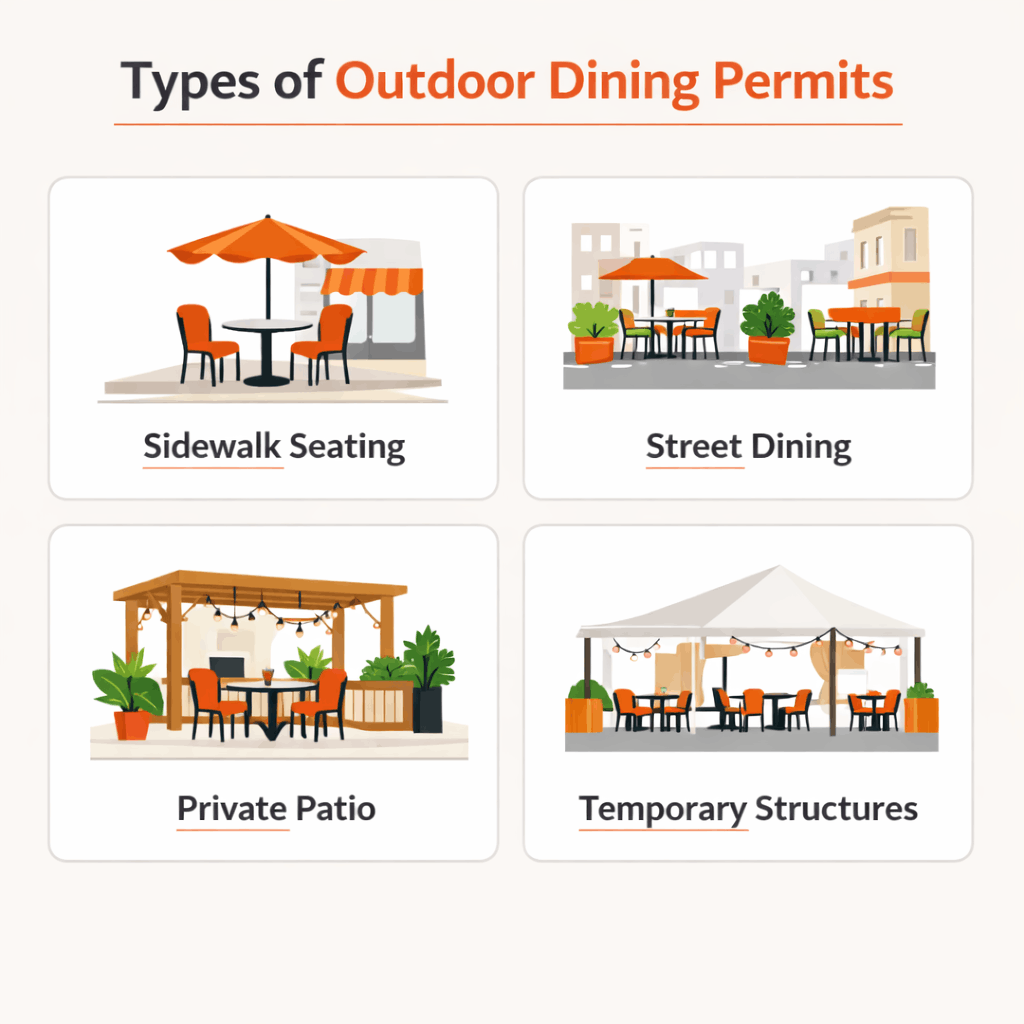
Types of Outdoor Dining Permits You May Need
Not all permits are equal. In fact, most restaurants need more than one approval depending on their setup and location. Understanding these permit types helps you avoid delays and rejections.
Sidewalk Café Permit
This is one of the most common permits. It allows restaurants to place tables and chairs on public sidewalks.
However, there are strict rules. Cities usually require:
A minimum clear path for pedestrians
Proper spacing between tables
Barriers or railings around the dining area
If your setup blocks foot traffic, your application may be denied.
Street or Roadway Dining Permit
Some cities allow restaurants to use parking spaces or parts of the road for dining. This type of permit became more common after COVID-19. Many cities now offer seasonal or permanent programs.
Still, safety is a major concern. Businesses often need:
Protective barriers
Reflective materials
Clear separation from traffic
Private Property Outdoor Dining Permit
If your seating is on your own property, you may still need approval.
This applies to:
Patios
Courtyards
Rooftop seating
Parking lot conversions
Even though the land is private, zoning laws still apply. Local authorities must confirm that outdoor dining is allowed in that area.
Temporary Outdoor Dining Permit
Temporary permits are used for short-term setups.
These are common for:
Seasonal dining
Festivals
Special events
They usually have faster approval times. However, they come with strict expiration dates.
Additional Permits You Might Need
In many cases, outdoor dining requires more than one permit.
Here is a quick overview:
| Permit Type | Purpose |
|---|---|
| Building Permit | Required for structures like decks or roofs |
| Signage Permit | For outdoor signs or branding |
| Liquor License Update | Needed to serve alcohol outdoors |
| Fire Safety Approval | Ensures emergency access and safety |
Because of these extra requirements, many applications get delayed. Missing even one approval can slow the entire process.
Outdoor Dining Permit Requirements (What You Need to Qualify)
Before applying, you need to meet certain requirements. These rules ensure your outdoor setup is safe, legal, and well-planned. While details vary by city, most requirements follow a similar pattern.
Zoning Compliance Requirements
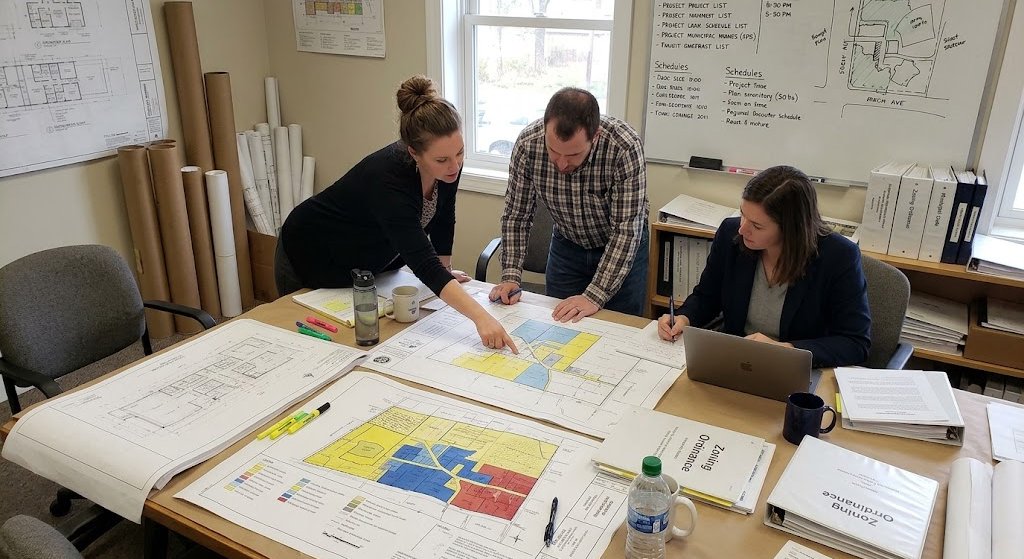
Zoning is one of the first things authorities check. Your restaurant must be located in an area where outdoor dining is allowed. If your zone does not permit it, your application will likely be rejected. This is why zoning research is critical before planning your setup.
Business License & Registration
You must have an active and valid business license. Authorities use this to confirm that your restaurant is legally operating. Without it, you cannot apply for outdoor dining permits.
Health Department Approval
Outdoor dining must meet the same health standards as indoor service.
This includes:
Proper food handling
Clean surfaces and equipment
Waste disposal systems
Health inspections are often part of the approval process.
Liability Insurance Requirements
Most cities require proof of insurance. This protects both your business and the public in case of accidents.
Typical coverage includes:
General liability insurance
Coverage for outdoor seating areas
Protection against property damage claims
Design & Layout Requirements
Your outdoor setup must follow a clear and approved layout.
This usually includes:
Seating arrangement plans
Entry and exit paths
Barriers or enclosures
Accessibility for all customers
A well-prepared layout increases your chances of approval. On the other hand, poor design often leads to revisions and delays.
Step-by-Step Process to Get Outdoor Dining Permits
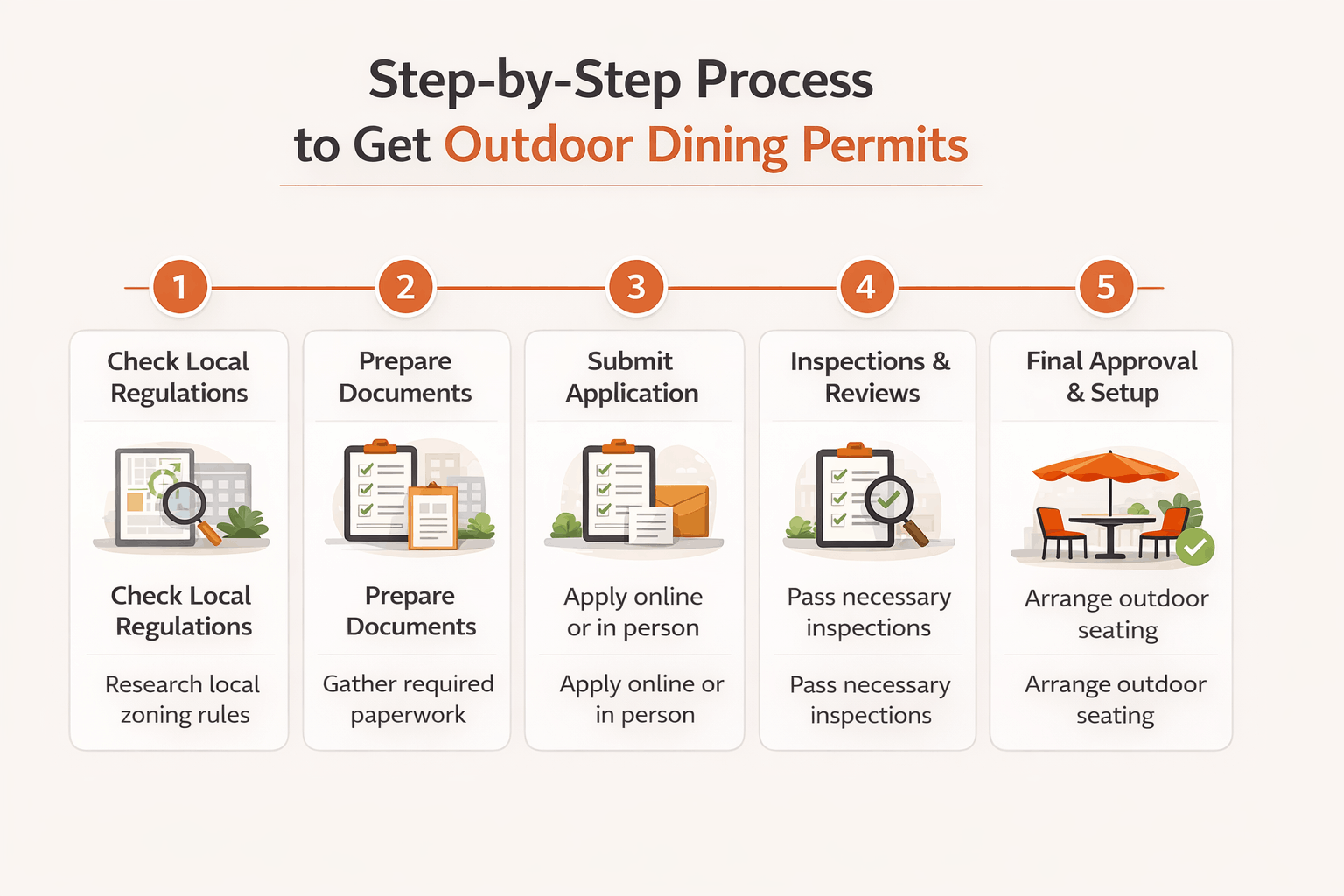
Getting approval may seem complex at first. However, the process becomes easier when you break it into clear steps. Most cities follow a similar flow, even if the details vary.
Let’s go step by step.
Step 1: Check Local Regulations
Start with research. Every city has its own rules for outdoor dining.
You should:
Visit your city’s planning or zoning website
Check if outdoor dining is allowed in your area
Review basic requirements and restrictions
If rules are unclear, contact the local planning department. A short call can save weeks of delay later.
Step 2: Prepare Required Documents
Once you confirm eligibility, gather your documents. This is one of the most important steps.
Common documents include:
Site plan or layout drawing
Business license
Proof of insurance
Photos of the proposed area
Make sure everything is clear and complete. Missing documents often lead to rejection or delays.
Step 3: Submit Your Application
Next, submit your application.
Depending on your city, you can apply:
Online through a city portal
In person at a local office
You will also need to pay an application fee. This fee varies based on location and permit type.
Step 4: Inspections and Department Reviews
After submission, your application goes through multiple reviews.
These may include:
Health department review
Fire safety inspection
Public works or transportation review
Each department checks a different aspect. Because of this, the process can take time.
Step 5: Final Approval and Setup
Once approved, you can move forward with setup. However, you must follow the approved plan exactly. Any changes may require re-approval.
At this stage, you can:
Install furniture
Set up barriers
Prepare the space for customers
Key Regulations You Must Follow After Approval
Getting approval is only the first step. After that, you must follow ongoing rules to keep your permit valid. Failing to follow these rules can result in fines or even permit cancellation.
Pedestrian Clearance Rules
If your setup is on a sidewalk, you must leave enough space for pedestrians. Most cities require a clear walking path. This ensures safe and easy movement for the public.
For example:
Avoid blocking entrances or exits
Keep pathways open for wheelchairs and strollers
Safety and Accessibility (ADA Compliance)
Accessibility is a key requirement. Your outdoor space must be usable by everyone.
This includes:
Wheelchair-accessible seating
Smooth and stable surfaces
Clear access routes
If your setup does not meet accessibility standards, it may not pass inspection.
Noise and Operating Hour Restrictions
Outdoor dining often comes with limits on noise and timing.
Cities may restrict:
Late-night service
Loud music or speakers
Entertainment activities
These rules help reduce disturbance to nearby residents.
Alcohol Service Rules Outdoors
Serving alcohol outdoors is not automatic. You must extend your license to include the outdoor area.
This often requires:
Defined service boundaries
Barriers or enclosed areas
Additional approvals from licensing authorities
Without proper approval, alcohol service outdoors is not allowed.
Maintenance and Cleanliness Rules
Your outdoor space must stay clean and well-maintained at all times.
This includes:
Daily cleaning of tables and floors
Proper trash disposal
Keeping the area free of debris
A clean setup not only meets regulations but also improves customer experience.

Common Challenges When Applying for Outdoor Dining Permits
Even with preparation, many businesses face challenges during the process. Knowing these issues early can help you avoid them.
Zoning Restrictions
Not all locations allow outdoor dining. If your property is in a restricted zone, your application may be denied. This is one of the most common issues.
Delays in Approval
Applications often go through several departments. Because of this, delays are common.
Reasons for delays include:
High application volume
Missing documents
Required revisions
Planning ahead can help reduce stress during this phase.
High Permit Costs and Fees
Costs can add up quickly.
You may need to pay for:
Application fees
Inspection fees
Design or construction expenses
Understanding these costs early helps you plan your budget.
Design Compliance Issues
Many applications are delayed because of design problems.
Common issues include:
Incorrect layout plans
Not meeting spacing requirements
Missing safety features
A clear and accurate design improves your chances of approval.
Neighbor or Community Objections
In some cases, nearby residents or businesses may raise concerns.
These concerns often relate to:
Noise levels
Crowding
Parking issues
Addressing these concerns early can help avoid conflicts later.
Costs of Outdoor Dining Permits (What to Expect)
Before you apply, it is important to understand the costs. Outdoor dining permits are not just about paperwork. There are several expenses involved, and they can vary by city. Still, most businesses deal with similar cost categories.
Application Fees
This is the basic fee you pay when submitting your permit request.
In most cases:
Fees range from low to moderate depending on location
Some cities charge per square foot of outdoor space
Others have flat application rates
Even if your application is denied, the fee is often non-refundable.
Design and Construction Costs
Setting up an outdoor dining area requires some level of investment.
You may need:
Tables and chairs
Barriers or fencing
Flooring or decking
Weather protection (umbrellas or covers)
These costs depend on how simple or advanced your setup is.
Insurance Costs
Insurance is a required part of most applications. Adding outdoor coverage may increase your premium. However, it protects your business from liability risks.
Typical coverage includes:
General liability insurance
Coverage for outdoor seating areas
Protection against customer injury claims
Renewal Fees
Outdoor dining permits are not always permanent.
Many cities require renewal:
Annually
Seasonally
Every few years
Missing a renewal deadline can lead to penalties or suspension.
Estimated Cost Breakdown
Here is a simple overview to help you plan:
| Cost Category | Estimated Range | Notes |
|---|---|---|
| Application Fees | Low to moderate | Varies by city and space size |
| Setup Costs | Moderate to high | Depends on design and materials |
| Insurance | Moderate | Increases with outdoor coverage |
| Renewal Fees | Low to moderate | Recurring cost |
Planning ahead helps avoid surprises. It also ensures your project stays within budget.
Outdoor Dining Trends and Business Benefits
Outdoor dining is no longer just an option. For many restaurants, it has become a key part of growth. Understanding these trends can help you see the long-term value of getting a permit.
Increased Revenue Potential
Outdoor seating allows you to serve more customers.
More tables mean:
Higher daily revenue
Better use of available space
Increased peak-hour capacity
For busy locations, this can make a significant difference.
Better Customer Experience
Many customers prefer outdoor dining. It feels more relaxed and open.
Benefits include:
Fresh air and natural light
A more comfortable setting
A social and inviting atmosphere
As a result, customers often stay longer and spend more.
Growth After the Pandemic
Outdoor dining expanded quickly during COVID-19. Even after restrictions eased, many cities kept these programs in place. Some even made them permanent. This shift has changed customer expectations. People now look for outdoor seating as a standard option.
Competitive Advantage
Restaurants with outdoor seating often stand out.
They can:
Attract more walk-in customers
Handle busy hours better
Offer a more flexible dining experience
In competitive markets, this can give you an edge.
Outdoor Dining Permit Regulations by Location (Examples)
Outdoor dining rules are not the same everywhere. Each city has its own policies, requirements, and approval process. That is why local research is always necessary.

United States (General Overview)
In the U.S., outdoor dining permits are handled at the city level.
Common requirements include:
Zoning approval
Health department clearance
Insurance coverage
Layout and safety compliance
Even within the same state, rules can differ from one city to another.
New York City Example
New York City has one of the most structured outdoor dining programs.
Restaurants must:
Apply for sidewalk or roadway dining permits
Follow strict spacing and safety rules
Renew permits based on program guidelines
The city also enforces design standards to maintain uniformity and safety.
Florida Example
In Florida, many cities offer sidewalk café permits.
These permits often require:
Clear pedestrian pathways
Defined seating boundaries
Local government approval
Some cities also allow seasonal or temporary setups.
Why Local Variations Matter
Because rules vary so much, a setup that works in one city may not work in another.
For example:
| Factor | Variation by Location |
|---|---|
| Permit Type | Sidewalk vs roadway vs private |
| Approval Time | Weeks to months |
| Fees | Low to high |
| Design Rules | Strict vs flexible |
This is why many businesses choose expert help. It reduces guesswork and speeds up the process.
Best Practices for Getting Approved Faster
Getting approved quickly depends on preparation. Small mistakes can delay your application, but the right approach can save time.
Work with a Permit Consultant
A consultant understands local rules and processes.
They can:
Identify potential issues early
Prepare accurate documents
Communicate with city departments
This often leads to faster approvals.
Submit Complete Documentation
Incomplete applications are one of the biggest causes of delay.
Before submitting, double-check:
All required forms
Accurate layout plans
Updated licenses and insurance
A complete application moves faster through review.
Follow Design Guidelines Carefully
Your design must meet city standards.
Focus on:
Proper spacing
Safe barriers
Clear pedestrian paths
Even small design errors can lead to revisions.
Communicate with Local Authorities Early
If possible, speak with local officials before applying.
This helps you:
Understand expectations
Clarify unclear requirements
Avoid unnecessary mistakes
Early communication can prevent delays later in the process.
How JDJ Consulting Helps with Outdoor Dining Permits
Applying for outdoor dining permits can take time and effort. For many business owners, it becomes overwhelming.
This is where professional support makes a difference.
Permit Research and Zoning Analysis
Before anything else, proper research is essential.
JDJ Consulting helps you:
Check zoning eligibility
Identify required permits
Understand local regulations
This step reduces the risk of rejection.
Application Preparation and Submission
Preparing documents can be time-consuming.
With expert help, you get:
Accurate site plans
Complete documentation
Proper submission handling
This improves your chances of approval.
Design Compliance Support
Design plays a key role in approval.
JDJ Consulting ensures your layout meets all requirements, including:
Safety standards
Accessibility rules
Local design guidelines
Faster Approvals with Expert Guidance
Experience matters in the permit process.
With the right guidance, you can:
Avoid common mistakes
Reduce delays
Move through approvals more smoothly
Final Thoughts: Is Getting an Outdoor Dining Permit Worth It?
Outdoor dining requires effort, planning, and investment. However, the benefits often outweigh the challenges.
With the right setup, you can:
- Increase revenue
- Improve customer experience
- Stay competitive in your market
At the same time, following the correct process is essential. Mistakes can lead to delays or penalties.
If you want a smoother experience, working with experts can save time and reduce stress.
Outdoor dining is more than a trend. It is now a key part of modern restaurant operations. Getting the right permits is the first step toward making it work.
Need Help with Outdoor Dining Permits?
Planning outdoor seating? Our team, serving Austin, Miami, and Los Angeles, can help you get approved faster and avoid delays.
- Call/Text: (818) 793-5058
- Email: sales@jdj-consulting.com
Or reach out here: https://jdj-consulting.com/book-consultation/
Outdoor Dining Permit FAQs
What is an outdoor dining permit?
An Outdoor Dining permit is a municipal permit that allows a business owner to serve customers in an outdoor space, such as sidewalks, patios, or parking areas.
This applies to:
Sidewalk cafes and Street Cafe setups
Roadway Cafes in the Public Right-Of-Way
Private patios for food service establishments
It ensures your setup meets local design requirements, safety rules, and zoning regulations.
Do I need a permit for outdoor seating at my restaurant?
Yes, most food establishments need an Outdoor Dining permit if seating extends beyond the approved indoor area.
This includes:
Sidewalk Cafe seating
Parking lot or curb lane dining
Any use of Public Right-Of-Way
Local City departments regulate these permits, so requirements vary by location.
How do I apply for an outdoor dining permit?
The application process typically includes:
Reviewing zoning and eligibility
Preparing site plans and layout drawings
Submitting through an Application Portal or permitting portal
Completing the application form and required documents
Some cities, like Dining Out NYC, provide structured systems for submitting and tracking applications.
What documents are required for outdoor dining permits?
A complete application requires several key documents:
Detailed site plan or layout (sometimes a site plan form)
Proof of liability insurance and insurance documents
Business license and Certificate of Occupancy
Photos and design details of the outdoor space
Submitting accurate documents helps speed up the application review process.
How long does it take to get an outdoor dining permit?
Approval timelines vary depending on the city and complexity of your setup.
Typical timelines:
Simple sidewalk cafes: a few weeks
Complex Roadway Cafes: several months
Delays often happen due to incomplete site plans or missing insurance documents.
What is a sidewalk café permit?
A Sidewalk Cafe permit allows seating in the Public Right-Of-Way, typically on sidewalks.
To comply, you must:
Maintain a clear pedestrian access route
Follow spacing and design requirements
Use barriers for safety
Cities strictly regulate sidewalk cafes to ensure accessibility and public safety.
Can I use parking spaces for outdoor dining?
Yes, many cities allow parking spaces to be converted into Roadway Cafes or Street Cafe setups.
Requirements may include:
Safety barriers or concrete barriers
Compliance with design requirements
Temporary or seasonal permits
These setups are often governed by agencies like NYC DOT.
Are outdoor dining permits temporary or permanent?
Most Outdoor Dining permits are not permanent.
They are often:
Seasonal or temporary
Issued as a Revocable Permit or revocable consent
Renewable annually
Some cities now offer permanent permits, depending on local regulations.
Can I serve alcoholic beverages outdoors?
Yes, but serving alcoholic beverages requires additional approvals.
You may need:
Updated liquor license for the outdoor space
Defined seating boundaries
Approval from local and state authorities
Without proper approval, outdoor alcohol service is not allowed.
What are the design requirements for outdoor dining?
Outdoor dining setups must meet strict design requirements to ensure safety and accessibility.
These may include:
Maintaining clear walkways
Installing detectable barriers or railings
Providing ADA-compliant access (ramps, spacing)
Failure to meet these standards can delay approval or result in permit denial.
What inspections are required for approval?
Most applications go through multiple inspections by different City departments:
Health Department review
Fire safety inspection
Transportation or public works review
All approvals are required before receiving a final approval inspection.
Do outdoor dining permits require insurance?
Yes, liability insurance is typically required.
This protects against:
Customer injuries
Property damage
Accidents in the outdoor space
You must submit valid insurance documents during the application process.
Can outdoor dining permits be denied?
Yes, permits can be denied for several reasons:
Non-compliance with design requirements
Zoning restrictions
Incomplete application form or missing documents
Safety concerns in the Public Right-Of-Way
You can usually revise and resubmit after addressing the issues.
What is a revocable permit for outdoor dining?
A Revocable Permit allows temporary use of public space for outdoor dining.
Key features:
Can be revoked by the city at any time
Often used for Street Cafe or roadway setups
Requires ongoing compliance with city rules
This type of municipal permit is common for flexible outdoor dining programs.
What happens if I operate without a permit?
Operating without an Outdoor Dining permit can lead to:
Fines or penalties
Removal of seating
Suspension of business operations
It may also affect your standing with City departments and future approvals.
How can I speed up my outdoor dining permit approval?
To speed up the application process:
Submit complete and accurate site plans
Follow all design requirements
Upload correct insurance documents
Communicate early with City departments
Working with professionals can also help streamline the process.
Why should I hire a consultant for outdoor dining permits?
A consultant can simplify complex approvals and reduce delays.
They help with:
Preparing site plans and applications
Navigating the permitting portal
Coordinating with multiple City departments
This often leads to faster approvals and fewer errors.