California has changed how land can be divided. For property owners, this has created more opportunity. At the same time, it has also created confusion.
Traditional lot splits are no longer the only option. State laws such as SB9, SB1123, and SB684 now offer alternative ways to divide land. These laws are faster and often less expensive. Still, they do not all work the same way. Costs vary widely, and choosing the wrong approach can quickly hurt a project.
Some lot splits can move forward for under $30,000. Others can cost well over $300,000 before any construction begins. The difference usually comes down to the approval path, city requirements, and infrastructure needs.
This article compares the real costs of traditional subdivisions and California’s small-lot laws. It is written for homeowners, investors, and developers who want practical information without legal complexity. The focus is on fees, timelines, and financial impact, not theory.
Why Lot Split Costs Matter More Than Most People Expect
Many property owners focus only on the city application fee. Unfortunately, that number tells only a small part of the story.
Lot split costs build over time. Some expenses appear early, while others surface after plans are submitted. Utility requirements, engineering conditions, and access standards often increase the budget after the process has already started.
Because of this, costs matter not only for budgeting, but also for feasibility. A project that looks profitable at first can become difficult once added conditions are imposed by the city. This is especially true for traditional subdivisions.
Time also plays a major role. Longer approvals increase holding costs. Property taxes continue. Loan interest adds up. Insurance and maintenance do not stop. Even a six-month delay can significantly affect the final return.
Faster approval paths usually reduce total project costs, even if the upfront fees appear similar. This is one reason many owners now prefer SB9, SB1123, or SB684 when their property qualifies.
The table below shows typical planning and approval cost ranges. These figures vary by city and site conditions, but they provide a realistic comparison.
| Lot Split Method | Typical Planning & Approval Costs | Average Timeline |
|---|
| Traditional Subdivision | $80,000 – $400,000+ | 12–36+ months |
| SB9 Urban Lot Split | $15,000 – $100,000 | 3–9 months |
| SB1123 | $30,000 – $200,000 | 6–12 months |
| SB684 | $20,000 – $150,000 | 6–12 months |
These differences explain why approval strategy is often more important than lot size.
Overview of California Lot Split Options
California currently provides four main ways to divide residential land. Each follows a different approval process. Each also carries different cost risks.
Understanding how these options work helps property owners choose a strategy that matches their goals, timeline, and budget.
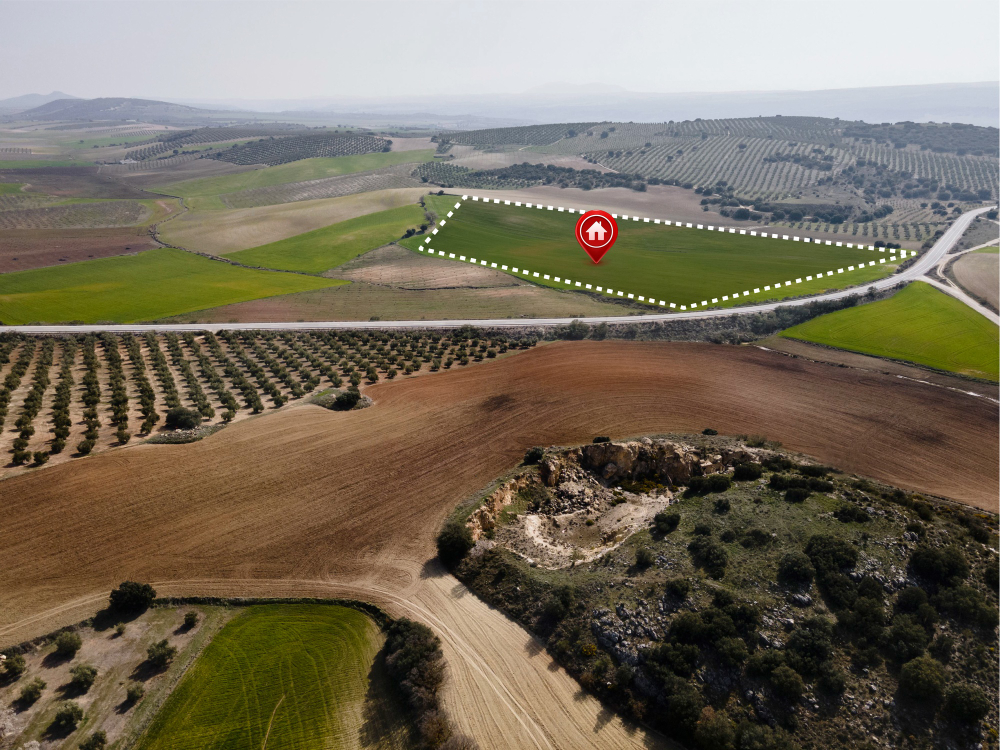
Traditional Lot Split (Conventional Subdivision)
Traditional subdivisions are the most established method of dividing land. They are also the most complex and expensive.
This process involves discretionary review. Cities have broad authority to request changes, impose conditions, or require additional studies. Environmental review and public hearings are common, even for small projects.
Because of this, timelines are unpredictable. Costs often increase as the process moves forward. Engineering revisions, legal review, and infrastructure upgrades are common sources of delay and expense.
Traditional subdivisions are best suited for large developments or projects that require flexibility in design. For smaller residential properties, they often create unnecessary cost and risk.
SB9 Urban Lot Split
SB9 applies to single-family zoned properties in urban areas. It allows one residential lot to be divided into two parcels.
Unlike traditional subdivisions, SB9 approvals are ministerial. This means there are no public hearings and no discretionary decisions. Cities must apply objective standards only.
This streamlined process significantly reduces approval time. It also limits surprise conditions late in the process. However, SB9 still requires surveys, utility planning, and permit coordination.
Owner-occupancy rules may apply, which can affect investment strategies. Still, for many homeowners and small investors, SB9 offers a clear and predictable path.
SB1123 Small-Lot Subdivision
SB1123 expands small-lot subdivision rules into single-family zones, particularly for vacant or underutilized land. It allows the creation of up to ten lots on qualifying parcels.
Like SB9, approvals are administrative. Environmental review and public hearings are not required. This reduces uncertainty and helps control costs.
That said, SB1123 projects are more complex. Internal access, fire circulation, and utility planning often drive the budget. Costs are typically higher than SB9 but lower than traditional subdivisions.
SB1123 is commonly used by developers and investors working with larger parcels.
SB684 Small-Lot Subdivision
SB684 applies to multi-family zoned properties. It also allows up to ten lots and follows an administrative approval process.
This law is often used for apartment properties, redevelopment sites, and mixed-use parcels. The absence of discretionary review helps reduce delays.
Infrastructure remains a key cost factor. Utility separation and access planning usually account for a large portion of the budget. Still, SB684 is often far more efficient than a traditional subdivision.
The table below summarizes how approval paths affect cost risk.
| Approval Type | Public Hearings | Environmental Review | Overall Cost Risk |
|---|
| Traditional Subdivision | Yes | Yes | High |
| SB9 | No | No | Low |
| SB1123 | No | No | Medium |
| SB684 | No | No | Medium |
Fewer approval layers generally mean fewer surprises and more predictable budgets.
Detailed Cost Breakdown by Category
Understanding total lot split costs requires looking beyond a single fee. Most projects involve several cost layers that appear at different stages. Some are predictable. Others depend on site conditions and city requirements.
Breaking costs into categories helps property owners plan realistically and avoid surprises later.
Professional and Consulting Fees
Professional fees are almost always the first expense. These costs apply to every lot split method, although the amount varies widely.
Most projects require a licensed surveyor to prepare a tentative map. Civil engineers are also needed to design access, drainage, and utility layouts. In some cases, planning consultants or land use specialists help coordinate with the city.
Traditional subdivisions usually involve the highest consulting costs. Environmental studies, traffic analysis, and legal review often add significant expense.
State-level lot split laws reduce many of these requirements. SB9 projects tend to have the lowest professional fees, while SB1123 and SB684 fall in the middle.
Typical professional fee ranges are shown below.
| Cost Category | Traditional Subdivision | SB9 | SB1123 | SB684 |
|---|
| Survey & Mapping | High | Low | Medium | Medium |
| Civil Engineering | High | Low–Medium | Medium | Medium |
| Planning / Consulting | High | Low | Medium | Medium |
| Legal Review | Often Required | Rare | Limited | Limited |
Even under SB laws, professional guidance remains important. Poor layouts or missing details can still delay approvals.
City and County Fees
City fees vary more than most people expect. Each jurisdiction sets its own rates, even under state laws.
These fees often include application charges, plan review fees, recording costs, and impact fees. Some cities also charge park or infrastructure fees, even for small lot splits.
Traditional subdivisions face the highest exposure. Public hearings, multiple review cycles, and discretionary conditions often increase costs.
SB9 limits the ability of cities to impose excessive fees, but it does not eliminate them. SB1123 and SB684 may involve higher fees due to the number of lots created.
Fee predictability is one of the main advantages of state-mandated lot split laws.
Utility and Infrastructure Costs
Utilities are often the most underestimated expense. In many cases, they exceed planning and city fees combined.
Common utility costs include water meters, sewer laterals, electrical separation, and gas service. Access improvements, such as driveways or fire lanes, may also be required.
Traditional subdivisions often trigger major infrastructure upgrades. These can include street widening, sidewalks, curbs, or stormwater systems.
SB9 projects usually involve simpler utility work, especially if the existing home already has good service placement. SB1123 and SB684 projects often require more coordination, especially when creating multiple buildable lots.
Infrastructure costs depend heavily on site conditions. Flat lots with existing access are typically less expensive than sloped or landlocked parcels.
Timeline Differences and Their Financial Impact
Approval timelines are not just a scheduling issue. They directly affect project cost and risk.
Longer approvals increase holding costs. They also expose projects to market changes, interest rate shifts, and regulatory updates.
Traditional subdivisions have the longest timelines. Environmental review, hearings, and appeals can stretch approvals well beyond a year.
SB9 projects move faster because cities must approve or deny applications within a defined timeframe. SB1123 and SB684 also benefit from administrative review, although multi-lot layouts take longer to finalize.
The table below compares average approval timelines.
| Lot Split Method | Typical Approval Timeline |
|---|
| Traditional Subdivision | 12–36+ months |
| SB9 Urban Lot Split | 3–9 months |
| SB1123 | 6–12 months |
| SB684 | 6–12 months |
Shorter timelines reduce financial exposure. They also allow owners to move forward with construction or sales sooner.
Hidden Costs That Often Appear Late
Many cost overruns happen after the application is submitted. Cities may approve a project but attach conditions that add unexpected expense.
Common examples include additional fire access requirements, drainage improvements, or utility relocation. These costs are rarely discussed upfront.
Traditional subdivisions face the greatest risk. Discretionary review gives cities more leverage to impose conditions late in the process.
SB laws reduce this risk, but they do not eliminate it. Objective standards can still require design changes if plans do not fully comply.
Early feasibility analysis helps identify these issues before money is spent. It also helps property owners choose the most cost-effective approval path.
Comparing Value and Return on Investment by Lot Split Method
Cost alone does not determine whether a lot split makes sense. Value creation is just as important. In many cases, a slightly higher upfront cost can lead to a much stronger long-term return.
Traditional subdivisions offer the most flexibility. They allow creative layouts and higher unit counts. However, the long timeline and high carrying costs often reduce overall returns. Market conditions can also change during the approval period, which adds risk.
SB9 projects tend to produce faster, more predictable returns. The ability to split one lot into two and add multiple units often increases property value without excessive upfront spending. This makes SB9 attractive for homeowners and small investors.
SB1123 and SB684 projects usually involve higher initial costs. However, they also allow more lots, which can significantly increase land value. For developers with the right parcel, these laws can create strong margins when planned correctly.
The key difference is scale. SB9 works best for small projects. SB1123 and SB684 favor larger parcels where multiple lots justify infrastructure investment.
Selling Versus Building After a Lot Split
After a lot split is approved, owners face an important decision. They can sell the newly created parcels, build homes, or combine both strategies.
Selling lots reduces construction risk and shortens the timeline. It also limits exposure to labor and material cost fluctuations. However, it may leave money on the table in strong housing markets.
Building new units increases potential returns. Rental income or home sales can significantly outperform raw land sales. At the same time, construction adds complexity, financing requirements, and market risk.
Some owners choose a hybrid approach. They build on one lot and sell the other. This strategy balances cash flow and risk, especially for SB9 projects.
Choosing the right exit strategy should happen early. It affects design decisions, utility placement, and overall cost planning.
Choosing the Right Lot Split Method for Your Property
Not every lot qualifies for every law. Zoning, size, access, and existing structures all matter.
SB9 is usually best for single-family lots in urban areas with good street access. It works well when the existing home can remain while a second lot is created.
SB1123 is better suited for vacant or lightly developed parcels. Larger lots benefit most, especially when internal access can be designed efficiently.
SB684 is ideal for multi-family zoned properties. It allows owners to subdivide without triggering discretionary review, which often saves time and consulting costs.
Traditional subdivisions still have a place. They work best for large developments or sites that do not qualify under state laws. However, they should be approached with caution due to higher cost exposure.
The table below summarizes which option typically fits each property type.
| Property Type | Most Suitable Lot Split Method |
|---|
| Single-Family Urban Lot | SB9 |
| Vacant or Underutilized Large Lot | SB1123 |
| Multi-Family Zoned Parcel | SB684 |
| Large or Complex Development | Traditional Subdivision |
Early evaluation helps avoid wasted time and design effort.
Common Mistakes That Increase Lot Split Costs
Many cost problems stem from decisions made before the application is submitted. These mistakes are common, but avoidable.
One frequent issue is assuming utilities can be easily separated. In reality, meter placement and service lines often require redesign. Another mistake is ignoring fire access requirements until late in the process.
Some owners also choose the wrong approval path. For example, pursuing a traditional subdivision when SB9 or SB1123 would apply can double or triple costs.
Skipping a feasibility review is another common error. Without early analysis, zoning overlays, access limits, or utility constraints can derail a project after money has already been spent.
Working with experienced professionals early helps identify these issues before they become expensive problems.
Real-World Cost Scenarios
Consider a homeowner with a standard single-family lot in a California city. Using SB9, the owner spends modestly on surveys, planning, and utilities. Approval comes within months. The property value increases quickly, even before construction begins.
Now compare that to a small developer pursuing a traditional subdivision on a similar parcel. Environmental review, hearings, and redesigns stretch the timeline past a year. Carrying costs rise, and final margins shrink.
In another scenario, an investor owns a vacant parcel suitable for SB1123. Although upfront costs are higher than SB9, the ability to create multiple lots significantly boosts land value. When executed properly, the return justifies the investment.
These examples show why approval strategy often matters more than lot size.
How Professional Guidance Helps Control Costs
Lot split laws are technical, but they are also practical tools when applied correctly. Professional guidance helps translate legal rules into cost-effective layouts.
Early feasibility analysis identifies which laws apply, what costs to expect, and where risks exist. This prevents wasted design work and failed applications.
Coordinating with surveyors, engineers, and city staff early also improves efficiency. Clear plans reduce review cycles and limit unexpected conditions.
For property owners, the goal is not just approval. It is approval at the right cost, within the right timeline, and with a clear path forward.

Final Thoughts on Choosing the Right Lot Split Path
Lot splits are no longer a one-size-fits-all process in California. Property owners now have multiple legal options, each with different costs, timelines, and risks.
Traditional subdivisions offer flexibility, but they also bring higher fees, longer approvals, and more uncertainty. For many small and mid-sized properties, they are no longer the most practical choice.
State laws such as SB9, SB1123, and SB684 have changed the landscape. These options reduce approval time and limit discretionary review. In many cases, they also lower overall project costs. However, they still require careful planning, accurate cost estimates, and a clear strategy.
The right choice depends on the property, the zoning, and the owner’s goals. A method that works well for one parcel may be a poor fit for another. This is why early evaluation matters. Understanding costs before committing to a path can prevent delays and protect returns.
Lot splits can create real value. But that value only materializes when the process is handled correctly from the start.
Talk to JDJ Consulting Group Before You Move Forward
Every property is different. Costs are different too.
Before you spend money on surveys or plans, it helps to know what your lot can support. A clear review can show which lot split rules apply and what the real costs may be.
JDJ Consulting Group works with property owners, investors, and developers across California. We review lot split options, explain local rules, and help avoid costly mistakes.
If you are thinking about a traditional subdivision, SB9 lot split, SB1123, or SB684, getting advice early can save time and money.
A short review at the start can prevent delays later. It can also help you move forward with more confidence.
Frequently Asked Questions About How Much Does it Cost to Split a Lot
What is the main difference between a traditional subdivision and California’s small-lot laws?
A traditional subdivision involves discretionary review, public hearings, and often environmental analysis, which increases time and cost. California’s small-lot laws (SB9, SB1123, SB684) use ministerial or administrative approvals.
This means:
As a result, small-lot laws are usually cheaper, more predictable, and better suited for homeowners and small developers.
Why do lot split costs vary so widely in California?
Lot split costs depend on more than just application fees. Key factors include:
A project under SB9 may stay under $30,000, while a traditional subdivision can exceed $300,000 due to engineering changes, infrastructure upgrades, and long holding costs.
How does SB9 reduce overall lot split costs?
SB9 limits city discretion by requiring ministerial approval based on objective standards.
This reduces costs by:
Eliminating public hearings
Avoiding environmental review
Shortening approval timelines
While surveys, utilities, and permits are still required, fewer delays and conditions typically lead to lower total project expenses compared to traditional subdivisions.
Are traditional subdivisions ever the better option?
Yes, but usually for larger or more complex projects. Traditional subdivisions allow:
However, they come with higher risk, longer timelines, and greater upfront costs. For small residential properties, state-level lot split laws are often more efficient and financially safer.
What are the typical costs associated with an SB9 urban lot split?
SB9 projects usually include:
Most SB9 lot splits range from $15,000 to $100,000 depending on site conditions. Flat lots with existing access and utilities tend to stay at the lower end of the range.
How does SB1123 differ from SB9 in terms of cost?
SB1123 allows up to ten lots, which increases planning complexity.
Compared to SB9:
Higher engineering and utility costs
More access and fire circulation planning
Larger city fees due to lot count
Costs often range from $30,000 to $200,000, but the ability to create multiple lots can significantly increase land value and justify the expense.
What types of properties are best suited for SB684?
SB684 applies to multi-family zoned properties. It works well for:
Apartment sites
Redevelopment parcels
Mixed-use properties
Costs are usually lower than traditional subdivisions because approvals are administrative. Infrastructure and utility separation remain major expenses, but overall risk and timelines are more predictable.
Why do approval timelines affect total project cost so much?
Longer timelines increase holding costs, including:
They also expose projects to market and regulatory changes. Faster approvals under SB9, SB1123, and SB684 often reduce total costs even if upfront fees are similar.
What professional fees should property owners expect?
Most lot splits require:
Traditional subdivisions often add environmental and legal fees. SB laws reduce these needs, but professional guidance is still essential to avoid redesigns and delays that increase costs later.
Can city fees still be high under SB9 or SB1123?
Yes. While cities cannot impose discretionary conditions, they can still charge:
Fee amounts vary by jurisdiction. However, state laws generally make fees more predictable than in traditional subdivision processes.
Why are utility costs often underestimated?
Utilities frequently cost more than planning fees. Common expenses include:
Traditional subdivisions may trigger major upgrades, while SB9 projects often involve simpler work, depending on existing service placement.
What hidden costs appear late in the lot split process?
Late-stage costs often include:
Traditional subdivisions face the highest risk of late conditions, but even SB projects can see added costs if early feasibility analysis is skipped.
How does lot split method affect return on investment?
Approval strategy influences ROI as much as lot size.
Traditional subdivisions: higher potential flexibility but greater risk
SB9: faster, more predictable value increase
SB1123/SB684: higher upfront cost but stronger upside through multiple lots
Choosing the wrong method can reduce profits or make a project unfeasible.
Is it better to sell lots or build after a lot split?
It depends on risk tolerance and market conditions.
Selling lots:
Many owners use a hybrid strategy, especially with SB9, to balance cash flow and long-term value.
Do all properties qualify for SB9, SB1123, or SB684?
No. Eligibility depends on:
Zoning
Lot size and shape
Access and frontage
Existing structures
Early evaluation is critical. Pursuing an ineligible path wastes time and money and may force a costly switch to a traditional subdivision later.
What common mistakes increase lot split costs?
Frequent mistakes include:
Assuming utilities are easy to separate
Ignoring fire and access standards
Choosing the wrong approval path
Skipping feasibility analysis
These errors often lead to redesigns, delays, and unexpected expenses that could have been avoided early.
How predictable are costs under SB laws compared to traditional subdivisions?
SB laws are generally more predictable because:
While costs still vary by site and city, SB projects typically face fewer surprise conditions than traditional subdivisions.
Can small-lot laws really save time?
Yes. Average timelines are:
Time savings directly reduce holding costs and allow owners to move toward construction or sale sooner.
Why is early feasibility analysis so important?
Feasibility analysis identifies:
Spending a small amount early can prevent major losses later by steering the project toward the most cost-effective and realistic approval path.
How can professional guidance help control lot split costs?
Experienced professionals help by:
Selecting the right approval strategy
Designing compliant layouts early
Coordinating efficiently with city staff
Reducing review cycles
The goal is not just approval, but approval at the right cost, within the right timeline, and with a clear plan for value creation.
How much does it typically cost to split a lot of land?
The cost of a lot split in California can vary widely. Traditional subdivisions may cost between $80,000 and $400,000, while streamlined options like SB9 urban lot splits typically range from $15,000 to $100,000. Costs depend on lot size, zoning requirements, and city approval processes.
What are the common fees involved in lot splitting?
Lot splitting often involves multiple fees, including application fees, surveyor fees, civil engineering costs, planning or consulting fees, and city or county impact fees. Utilities, environmental studies, and infrastructure upgrades can also add to the total cost.
How is the cost to split a lot calculated?
Costs are calculated based on several factors: the lot area, number of dwelling units, zoning regulations, land surveyor fees, and the chosen lot split method (SB9, SB1123, SB684, or traditional subdivision). Additional considerations include utility planning, property lines adjustments, and permit approvals.
What legal considerations should I be aware of when splitting a lot?
Legal factors include compliance with zoning laws, deed restrictions, and local government regulations. Planning staff may require environmental impact assessments, site plans, or other documentation. Understanding these legal requirements helps avoid delays and unexpected expenses.
Why do lot splitting costs vary between different locations?
Costs vary because each local government sets its own fees and requirements. Urban areas may have higher planning costs, stricter zoning requirements, and more infrastructure needs, while smaller cities or rural areas often have lower expenses.
How do surveyor fees impact the total cost of splitting a lot?
A licensed land surveyor is required to map property lines, create parcel maps, and prepare tentative or final maps. Surveyor fees can be significant, particularly for traditional subdivisions, and directly affect total lot split costs.
Are there ways to reduce the cost of a lot split?
Yes. Choosing state-mandated lot split laws like SB9, SB1123, or SB684 can reduce fees and approval times. Early coordination with city planning staff, minimizing site complications, and using experienced consultants also helps control costs.
Resources / References
California Legislative Information:
JDJ Consulting Group Resources:
City and County Planning Resources: