Getting a building permit in the United States can feel confusing, especially if you have never dealt with local regulations before. Every state, and often every city or county, follows its own rules. Because of this, many property owners are unsure where to start or what approvals they actually need.
At its core, a building permit is simply official approval to begin construction. It confirms that your project meets safety standards and local building codes. Whether you are planning a new build, an addition, or a renovation, permits are usually required before any work begins.
This guide explains the building permit process in clear, simple terms. It focuses on how permits work across different U.S. states and what you should expect when applying. If you want to avoid delays, fines, or rejected projects, understanding the basics is essential.
Why Building Permits Matter in Every U.S. State
Building permits exist to protect people, property, and communities. Local governments use permits to make sure construction meets safety, structural, and zoning standards. This review process helps prevent unsafe buildings and costly mistakes.
Permits also protect property owners in the long run. If work is completed without approval, it can create problems during resale, refinancing, or insurance claims. Many buyers and lenders ask for proof that construction was properly permitted and inspected.
Although permit rules vary across the United States, their purpose stays the same. Every jurisdiction wants to ensure that buildings are safe, legal, and suitable for their location.
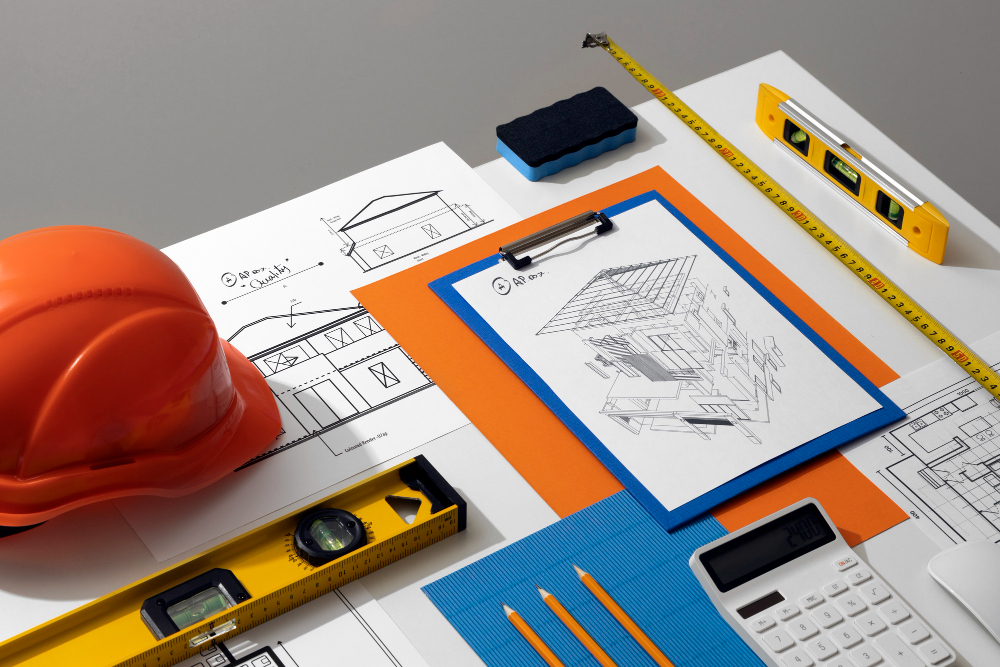
Why permits are legally required
Most cities and counties require permits for structural and system-related work. This includes changes to framing, electrical systems, plumbing, and foundations. Even small projects can require approval, depending on local rules.
Common reasons permits are required include:
Ensuring compliance with building and safety codes
Reducing fire, electrical, and structural risks
Maintaining orderly land use and zoning
Protecting long-term property value
Skipping permits may seem like a shortcut, but it often leads to serious consequences later.
What happens if you build without a permit
Building without a permit can trigger enforcement action. Local authorities may issue stop-work orders, fines, or inspection failures. In some cases, they can require the removal of unapproved construction.
These issues can delay your project and increase costs. They may also create legal problems when you try to sell or lease the property. In most cases, fixing permit violations is more expensive than doing things correctly from the start.
Who controls building permits
Building permits are issued by the local authority having jurisdiction, often called the AHJ. This authority may be a city, county, or township building department. In rural areas, the county often handles permitting.
Because authority varies by location, knowing where to apply is important. Submitting an application to the wrong office can slow the process significantly.
| Area Type | Typical Permit Authority |
|---|
| Large cities | City building department |
| Suburban areas | City or county office |
| Rural regions | County or township |
| Special zoning areas | Planning or zoning board |
What a Building Permit Is (and What It Is Not)
A building permit is often misunderstood. Many people assume it covers all approvals related to a construction project. In reality, it serves a specific purpose.
A building permit allows you to begin construction work. It confirms that your plans comply with local building codes and safety standards. Once issued, the permit usually requires inspections at key stages of construction.
However, a building permit does not authorize how a building is used. It also does not replace zoning approvals or occupancy certificates. These are separate requirements handled by different departments.
Approvals commonly confused with building permits
Several approvals are often mistaken for building permits, but each serves a different role.
| Approval Type | What It Covers |
|---|
| Building permit | Construction safety and code compliance |
| Zoning approval | Land use, setbacks, and density rules |
| Certificate of occupancy | Permission to use the building |
| HOA approval | Neighborhood or community guidelines |
Depending on your project, you may need more than one approval before construction is complete.
Projects that usually require permits
In most U.S. states, permits are required for new construction and major renovations. This includes additions, garages, decks, and structural changes. Electrical, plumbing, and mechanical work almost always require permits.
Minor cosmetic repairs may be exempt, but rules differ by location. When there is uncertainty, it is best to check with the local building department before starting work.
Understanding what a building permit does — and does not — cover helps prevent delays and compliance issues later in the project.
Step-by-Step Building Permit Process Across U.S. States
While permit rules differ by state and city, the overall process follows a similar structure almost everywhere. Understanding these steps early helps reduce delays and avoid repeated corrections. Most permit issues happen because applicants skip a step or submit incomplete information.
The sections below explain the standard building permit process used across most U.S. jurisdictions. Local requirements may add extra steps, but this framework applies nationwide.

Step 1: Research Local Permit Requirements
Before preparing plans or hiring contractors, the first step is checking local permit rules. Every city or county has its own building department, and their requirements are usually listed on an official website.
Start by confirming whether your project needs a permit. Some minor repairs may be exempt, while others require full review. Zoning rules, setbacks, and land-use restrictions should also be reviewed at this stage.
It helps to contact the building department directly. A short call or email can clarify expectations and prevent mistakes later.
Step 2: Prepare Construction Plans and Documents
Once requirements are clear, you must prepare detailed construction documents. These plans show how the project will be built and how it meets safety codes.
Most jurisdictions require professionally prepared drawings for structural work. Smaller projects may allow simplified plans, but they must still be clear and accurate.
Common documents include:
Site plan showing property boundaries
Floor plans and elevations
Structural details
Electrical and plumbing layouts
Incomplete plans are a major cause of permit delays. Submitting clear documents upfront saves time during review.
Step 3: Submit the Permit Application
After documents are ready, the permit application is submitted to the local building department. Many cities now offer online permit portals, while others still require in-person submission.
Applications typically ask for project details, estimated construction cost, and contractor information. Fees are usually paid at this stage or after approval, depending on the jurisdiction.
Once submitted, the project enters the review queue. Processing times vary widely based on project size and local workload.
Step 4: Plan Review and Corrections
During plan review, officials examine your application for code compliance. This step ensures the project meets safety, zoning, and construction standards.
It is common to receive correction comments. These are not rejections. They simply mean adjustments are needed before approval.
Responding quickly and clearly to correction requests helps keep the process moving. Delays often happen when revisions are submitted incomplete or late.
Step 5: Permit Approval and Issuance
Once all review comments are addressed, the permit is approved. The building department issues the permit, allowing construction to begin legally.
Permits usually come with conditions. These include required inspections and time limits. Most permits must be displayed at the job site during construction.
Starting work before permit issuance can result in penalties, even if approval is expected soon.
Step 6: Inspections During Construction
Approved permits require inspections at key construction stages. These inspections confirm that work matches the approved plans.
Typical inspections include:
Foundation or footing
Framing
Electrical and plumbing
Final inspection
Failing an inspection is common and usually easy to fix. Inspectors provide notes explaining what needs correction before approval.
Step 7: Final Approval and Certificate of Occupancy
After passing the final inspection, the project is closed out. For new buildings or major renovations, a certificate of occupancy may be issued.
This document confirms the building is safe to use. Without it, occupancy may not be allowed, even if construction is complete.
The permit process officially ends once all inspections are passed and approvals are issued.
How Building Permit Rules Differ by U.S. State and Region
Although the permit process follows a similar structure nationwide, the actual requirements can vary significantly by state and region. These differences are shaped by climate, population density, local laws, and how much authority states give to cities and counties.
Understanding these variations helps set realistic expectations. It also explains why a project approved quickly in one state may take longer in another.

States With Strong Local Control
Many U.S. states allow cities and counties to control their own permitting rules. In these states, there is no single statewide building permit process. Instead, each local authority sets its own requirements.
Texas is a common example. While the state provides general guidance, most permit decisions are handled at the city or county level. This means permit requirements can change dramatically from one location to another, even within the same state.
In these areas, checking local rules is critical. Relying on state-level information alone can lead to missing key requirements.
States With Statewide Building Codes
Some states adopt statewide building codes that apply everywhere. Local governments still issue permits, but the core rules stay consistent across the state.
California follows this approach. It uses statewide building and energy codes, along with strict environmental and safety standards. Local governments may add extra rules, but they cannot remove state requirements.
This system creates more consistency, but it can also mean stricter reviews and longer timelines.
Regional Differences That Affect Permits
Geography plays a major role in permit requirements. States tailor building rules to local risks and conditions.
Common regional influences include:
Coastal areas focusing on wind and flood resistance
Earthquake-prone regions emphasizing seismic design
Northern states requiring higher snow-load standards
Hot climates enforcing energy efficiency measures
Because of this, identical projects can require different design details depending on location.
Urban vs. Rural Permit Requirements
Permit complexity also depends on whether a project is in an urban or rural area. Large cities often have multiple review departments and longer approval timelines. Rural counties may have fewer requirements but less guidance.
| Location Type | Typical Permit Experience |
|---|
| Major cities | Multiple reviews, longer timelines |
| Suburban areas | Moderate review process |
| Rural counties | Fewer rules, limited oversight |
| Unincorporated land | County-based approval |
Urban projects usually require more documentation. Rural projects may move faster, but applicants are still responsible for meeting safety standards.
Examples of State-Level Permit Differences
Below are simplified examples to show how permit expectations can change by region. These are not full rules, but general patterns.
| State | Common Permit Focus Areas |
|---|
| California | Energy codes, seismic safety |
| Florida | Wind resistance, flood zones |
| Texas | City-based rules, zoning checks |
| New York | Multi-agency review in cities |
| Colorado | Snow loads, environmental impact |
These differences highlight why there is no single answer to how long a permit will take or what it will cost.
Why State Differences Matter for Planning
Permit variations affect timelines, budgets, and design decisions. Projects that ignore regional rules often face rejections or redesign requests during review.
Planning with local requirements in mind reduces delays. It also helps avoid unexpected costs during construction.
For complex projects or unfamiliar locations, professional permit guidance can make a significant difference.
Building Permit Timelines, Costs, and Common Delays
One of the most common questions property owners ask is how long a building permit will take. The honest answer is that timelines and costs vary widely across U.S. states and local jurisdictions. Still, understanding typical ranges helps you plan more realistically.
Permit delays are usually not random. They happen for specific, avoidable reasons. Knowing what to expect can save weeks, and sometimes months, of frustration.
How Long Does It Take to Get a Building Permit?
Permit timelines depend on project size, location, and review complexity. Small residential projects often move faster, while commercial or multi-family projects take longer.
In general, most permits fall within these ranges:
| Project Type | Average Permit Timeline |
|---|
| Minor residential work | 1–3 weeks |
| Home additions | 3–8 weeks |
| New residential construction | 6–12 weeks |
| Commercial projects | 8–20+ weeks |
Large cities usually have longer review times due to higher application volume. Rural areas may move faster but often require more follow-up from applicants.
Seasonal demand also matters. Permit offices tend to slow down during peak construction seasons.
What Affects Permit Processing Time
Several factors influence how quickly a permit is approved. Some are outside your control, but many are not.
Common factors include:
Completeness of submitted plans
Zoning or land-use restrictions
Number of review departments involved
Local staff workload
Required revisions during plan review
Projects with clear, well-prepared documents typically move faster. Incomplete submissions almost always result in delays.
How Much Do Building Permits Cost?
Permit fees vary by state and city. Most fees are based on project value, square footage, or construction type. Some jurisdictions charge flat fees for small projects.
Typical cost components include:
While residential permits may cost a few hundred dollars, larger projects can cost several thousand. Some cities publish fee schedules, while others calculate fees during review.
It is important to budget for permit fees early. Unexpected costs can affect project timelines and financing.
Common Reasons Building Permits Get Delayed
Delays usually happen for predictable reasons. Understanding these issues helps you avoid them.
Frequent causes of permit delays include:
Missing or unclear drawings
Inconsistent project descriptions
Zoning conflicts
Code compliance issues
Late responses to correction notices
Many applicants assume delays mean rejection. In reality, most delays are part of the normal review process and can be resolved with proper revisions.
How to Reduce Permit Delays
Although no permit process is instant, there are ways to reduce unnecessary setbacks.
Start by reviewing local checklists carefully. Make sure all required documents are included before submission. Respond to review comments quickly and clearly.
It also helps to communicate early with the building department. Asking questions upfront can prevent mistakes that slow down approval later.
For larger or time-sensitive projects, professional permit assistance can be valuable. Experienced consultants understand local expectations and review patterns.
Why Planning for Permits Matters
Permits affect more than just paperwork. They influence project scheduling, contractor availability, and overall costs. Delays at the permit stage can push construction back significantly.
By understanding timelines and costs in advance, you can plan construction more efficiently and avoid last-minute surprises.
Special Permit Cases and Project-Specific Requirements
Not every construction project follows the standard permit path. Some projects involve special conditions that trigger additional reviews or exemptions. Understanding these cases early helps avoid confusion and unexpected delays.
Local building departments usually explain special requirements on their websites. Still, these details are often overlooked during planning.

Renovations vs. New Construction
Renovation projects often seem simpler, but many still require permits. Structural changes, electrical upgrades, plumbing work, and HVAC modifications usually need approval, even if the building already exists.
New construction projects almost always require full permit review. This includes zoning checks, site plans, utility approvals, and multiple inspections. Because of their scope, new builds usually take longer to approve.
The key difference is review depth. Renovations may focus on affected areas, while new construction is reviewed as a whole.
Accessory Structures and Small Buildings
Accessory structures such as sheds, garages, and workshops may or may not require permits. This depends on size, use, and location.
Some jurisdictions exempt small structures under a specific square footage. Others require permits regardless of size, especially if utilities are involved.
Common factors that affect permit needs include:
Always verify local rules before assuming a structure is exempt.
Agricultural and Rural Projects
In many states, agricultural buildings receive special treatment. Barns, storage buildings, and farm-related structures may be exempt from certain permit requirements.
However, exemptions are not automatic. Some counties still require permits for structural or electrical work, even on agricultural land.
Rural projects may also face fewer zoning restrictions, but safety standards still apply. It is important not to assume rural areas have no permit rules.
Multi-Agency and Special Zoning Reviews
Some projects require approvals from more than one agency. This often happens in historic districts, flood zones, or environmentally sensitive areas.
Examples include:
Historic preservation boards
Floodplain management offices
Environmental review agencies
Planning commissions
These reviews can add time to the permit process. Planning for them early helps avoid delays later.
Temporary Structures and Short-Term Permits
Temporary structures, such as construction trailers or event installations, may still require permits. These permits usually have shorter approval timelines and specific expiration dates.
Even temporary projects must meet safety requirements. Failing to obtain approval can result in enforcement action.
Why Special Cases Need Extra Planning
Special permit cases often fail because applicants assume standard rules apply. When projects fall outside normal categories, extra documentation is usually required.
Early communication with the building department is especially important in these situations. Clear explanations and accurate plans reduce confusion during review.
Practical Tips to Make the Building Permit Process Smoother
Even if you understand the permit process, small mistakes can still cause delays. Many common issues are avoidable with careful preparation and clear communication. Taking a thoughtful approach can save time, money, and unnecessary stress.
This section highlights practical steps to help your project move forward more smoothly, no matter which U.S. state you’re in.
Start With the Local Building Department
Before submitting any application, review your local building department’s requirements. Many offices provide checklists, sample plans, and guidance documents online. These resources clearly outline what reviewers expect.
Reaching out early can be very helpful. Even a short conversation with a permit technician can clarify zoning rules, required documents, and inspection steps. Doing this upfront often prevents major corrections later.
Submit Clear and Complete Documents
Clear documentation is one of the most important factors in speeding up permit approval. Plans should be easy to read, properly labeled, and consistent across all drawings. Conflicting information often results in review comments or resubmissions.
Make sure every required form is filled out completely. Missing signatures, incomplete descriptions, or inaccurate valuations are common reasons applications are returned. Accuracy matters just as much as detail.
Respond Quickly to Review Comments
Receiving review comments is normal. It does not mean your project is rejected. Usually, it simply means adjustments are needed to meet local codes or standards.
The key is to respond promptly and clearly. Address each comment directly and explain what has been changed. Submitting partial or incomplete corrections often leads to additional review cycles, slowing approval. Organized, thorough responses help reviewers move faster.
Keep Inspections in Mind During Construction
Permits don’t end at approval. Required inspections are a critical part of the process. Scheduling inspections on time keeps construction on track and prevents stop-work orders.
Contractors usually know inspection requirements, but property owners should stay informed as well. Missing an inspection can result in delays and additional fees. Planning inspections into your construction schedule reduces disruptions and ensures compliance.
Know When Professional Help Makes Sense
Some projects are simple and easy to permit. Others involve multiple departments, zoning reviews, or technical requirements. In these cases, professional guidance can be very valuable.
Permit consultants and experienced professionals understand local processes. They help prepare documents, coordinate with departments, and reduce back-and-forth during review. For time-sensitive or complex projects, this support often pays for itself.
Why Preparation Makes the Biggest Difference
Most permit delays happen because of avoidable issues. Poor documentation, unclear plans, and late responses slow the process far more than strict regulations do.
Taking time to prepare, communicate, and follow local rules makes the permit process predictable. It also reduces stress for everyone involved, from property owners to contractors to reviewers.
Final Thoughts: Planning Ahead Makes Permits Easier
Getting a building permit across different U.S. states does not have to be overwhelming. While rules vary by location, the process generally follows a clear pattern. Most challenges arise from missing information, misunderstandings, or lack of early planning.
Permits are more than a legal requirement. They protect your investment, your safety, and your project timeline. When handled correctly, the permit process becomes a manageable step rather than a roadblock.
Understanding local authority rules is critical. No two cities operate exactly the same way, even within the same state. Reviewing local requirements before submitting your application can prevent costly delays later.
At JDJ Consulting Group, our goal is clarity and compliance. Whether you are planning a residential project or a commercial one, learning how permits work across different U.S. states gives you an edge.
Planning ahead is not just helpful—it is essential. It allows you to build with confidence and avoid unnecessary setbacks.
FAQs: How to Get a Building Permit
What is a building permit and why is it required?
A building permit is an official approval from your local authority to start construction. It ensures that your project meets safety, structural, and zoning codes. Permits protect both the property owner and the community. Without a permit, you may face fines, construction delays, or even forced removal of work. Most projects involving new construction, renovations, or major system upgrades require a permit.
How do I apply for a building permit in the U.S.?
To apply for a building permit:
Contact your local building department or check their website.
Complete the application form with project details.
Submit required documents such as site plans, floor plans, and structural drawings.
Pay the applicable fees.
The review process will follow, and you may be asked to revise or clarify your plans before approval.
Do I need a permit for small home renovations?
Yes, many renovations require permits. Structural changes, electrical upgrades, plumbing work, and HVAC modifications almost always need approval. Cosmetic changes like painting or replacing flooring usually do not. Rules vary by state and city, so it’s best to check with your local building department before starting any project.
How long does it take to get a building permit?
Permit timelines vary depending on project size, location, and complexity. Small residential projects may take 1–3 weeks. Home additions typically take 3–8 weeks. New construction or commercial projects can take 6–20+ weeks. Delays often occur due to incomplete plans, zoning conflicts, or missing documentation.
What documents are required for a building permit application?
Commonly required documents include:
Site plan showing property boundaries
Floor plans and elevations
Structural drawings
Electrical, plumbing, or mechanical layouts
Project valuation and contractor information
Accurate and complete documentation speeds up the approval process.
Who issues building permits in different states?
Permits are usually issued by the local authority having jurisdiction (AHJ). This could be a city, county, or township office. Some states have statewide building codes, but local offices still manage approvals. Rural areas may rely on county offices, while urban projects often involve multiple review departments.
What happens if I build without a permit?
Building without a permit can lead to:
Are inspections required during construction?
Yes. Permits include mandatory inspections at key stages. Common inspections are:
How much does a building permit cost?
Permit fees vary widely depending on the location and project type. Costs are often based on:
Do accessory structures like sheds need permits?
It depends. Many local jurisdictions exempt small structures under a certain square footage. However, garages, workshops, or structures with utilities usually require permits. Always check local rules to avoid fines or enforcement actions.
What is a Certificate of Occupancy?
A Certificate of Occupancy (CO) is issued after the final inspection of a permitted project. It confirms that the building is safe to use and meets all code requirements. Without a CO, occupancy may be illegal even if construction is complete.
Can I start construction while waiting for a permit?
No. Construction should never begin before the permit is issued. Even minor work done without approval can result in fines, stop-work orders, or additional inspections. Waiting ensures your project is legal and avoids costly corrections later.
Are there differences in permits between states?
Yes. Each state and sometimes each city has unique rules. Some states have statewide codes, while others give local governments more authority. Climate factors like wind, flood, or seismic zones also influence building requirements. Always verify local rules before starting a project.
What is the difference between a building permit and a zoning permit?
A building permit focuses on safety and code compliance during construction. A zoning permit ensures the land use, setbacks, and density follow local regulations. Both may be required for the same project, but they are separate approvals.
Can minor repairs be done without a permit?
Some minor repairs may not need a permit, such as painting, flooring, or replacing fixtures. However, any work involving structural changes, electrical, plumbing, or major system upgrades typically requires approval. Local rules vary, so always check with the building department.
How can I reduce permit delays?
To reduce delays:
Submit complete and accurate documents
Respond promptly to review comments
Communicate with the building department early
Schedule inspections in advance
Consider professional guidance for complex projects
Preparation is the most effective way to keep your project on track.
Do rural areas have different permit rules than cities?
Yes. Rural areas often have fewer zoning restrictions and simpler permit processes. However, safety codes still apply, and some projects may require county-level approvals. Urban areas usually involve multiple departments and longer timelines due to higher volume.
When should I hire a permit consultant?
Consider professional help if your project is complex, involves multiple departments, or crosses jurisdiction boundaries. Consultants can prepare documents, coordinate with agencies, and reduce back-and-forth during review. For tight timelines, professional guidance often saves both time and cost.
Are temporary structures required to have permits?
Yes, many temporary structures like construction trailers, event tents, or short-term buildings require permits. These permits usually have limited validity and specific conditions. Even temporary installations must meet safety requirements to avoid penalties.
How do inspections affect project timelines?
Inspections are a key part of permit compliance. Scheduling inspections late or missing them can delay construction, trigger stop-work orders, and increase costs. Planning inspections as part of your construction schedule ensures smoother project progression.
How do I apply for a building permit?
To apply for a building permit, first check local zoning requirements and building codes. Prepare your construction plans and supporting documents. Then submit your permit application to the local building department, either online or in-person.
What are the requirements to get a building permit?
You need detailed construction plans, information about the property, and contractor details. Some projects may also require zoning permits or approvals from city planning staff. All applications must follow local building codes and fire code regulations.
What types of projects require a building permit?
Building permits are needed for new buildings, interior alterations, retaining walls, decks, swimming pools, and other structural work. Minor cosmetic work, like painting, often does not need a permit.
Where can I get a building permit?
Building permits are issued by local authorities such as city or county building departments. Many urban areas offer online permitting services where you can submit applications and track the plan review process.
How long does it take to obtain a building permit?
The timeline depends on your location and the type of construction project. Simple projects may take a few weeks, while large new buildings can take several months due to plan review, corrections, and inspections.
What are the common inspections involved after obtaining a building permit?
Inspections usually include foundation, framing, electrical, plumbing, and final inspections. Additional inspections may be required for fire code compliance, retaining walls, or other special construction features.
What are the consequences of starting construction without a building permit?
Starting construction without a permit can lead to stop-work orders, fines, or mandatory removal of work. It can also create legal issues and affect property value or insurance coverage.
Who pays for a building permit?
The property owner or developer pays for the building permit. Fees vary based on the project size, type, and local plan review requirements. Permit extensions may also incur additional costs.
Can a permit be extended if construction is delayed?
Yes, many local governments allow a permit extension if construction is delayed. You must request the extension before the original permit expires and may need to submit updated construction plans or pay additional fees.
What is a Certificate of Occupancy and when is it required?
A Certificate of Occupancy (CO) is issued after a construction project passes all inspections. It confirms that new buildings or renovated spaces meet local building codes, zoning rules, and fire code requirements before they can be occupied.
Do interior alterations require a building permit?
Yes. Most interior alterations, like remodeling kitchens or bathrooms, updating HVAC equipment, or making structural changes, require a building permit to meet building codes and safety standards.
What role does a building official play in the permit process?
A building official reviews construction plans, enforces building codes, and approves permits. They also coordinate inspections and ensure projects follow zoning rules and fire code requirements.
What is a Zoning Permit, and when do I need one?
A Zoning Permit ensures your project follows local land use regulations, including commercial or residential zoning. It is often required before applying for a building permit.
What is an Excavation Site Permit?
An Excavation Site Permit is needed when a project involves earth disturbance, digging for foundations, utility work, or swimming pools. It ensures safe excavation practices and compliance with structural design criteria.
Do I need a Public Space Permit for my construction project?
Yes. If your project affects sidewalks, streets, or other public areas, you may need a Public Space Permit. Cities like Philadelphia and Salt Lake City often require this permit before construction.
What permitting services are available online?
Many municipalities offer online permitting services through portals like Citizens Access Portal, Dynamic Portal, or BUILDING INSPECTIONS APP. These platforms let you submit applications, schedule inspections, and track plan review progress.
What is a Disaster Recovery Building Permit?
A Disaster Recovery Building Permit allows rebuilding or repairs after natural disasters. It ensures that reconstructed structures meet updated building codes, fire codes, and safety standards.
How does the plan review and application submission process work?
Application and plan review submission involves sending construction plans, building permit applications, and supporting documents to the local building department. Staff check compliance with building codes, fire codes, and zoning rules.
What inspections can I schedule using a BUILDING INSPECTIONS APP?
Using apps like BUILDING INSPECTIONS APP, you can schedule inspections for foundations, framing, electrical, plumbing, fire safety, HVAC, and final occupancy approval. This helps speed up the permitting process.
What is a Residential Building Plan Review?
A Residential Building Plan Review checks construction plans for single-family homes or accessory dwelling units. It ensures compliance with structural design rules, zoning regulations, energy codes, and fire code requirements.
When is a Land Development Construction Plan required?
A Land Development Construction Plan is required for commercial site approval, utility work, or large new buildings. It details earth disturbance, structural design, drainage, and other construction factors.