Step 1 — Determine the Exact Permit(s) You Need
Not all permits are called the same thing. Depending on the project, you may need multiple permits. Knowing what you need at the start saves time.
Common Types of Permits
Building Permit: For structural changes, additions, or new construction.
Electrical Permit: For wiring, panel upgrades, or new circuits.
Plumbing Permit: For major plumbing installations or changes.
Mechanical/HVAC Permit: For heating, ventilation, or air conditioning systems.
Grading or Excavation Permit: For earth-moving work or significant landscaping.
Demolition Permit: Required before tearing down structures.
Certificate of Occupancy (CO): Final approval after project completion.
How to Check Local Requirements
Each city or county sets its own rules. Here’s how to verify what you need:
Visit your local building department website.
Review the project categories and permit types.
Call or email the department for clarification if needed.
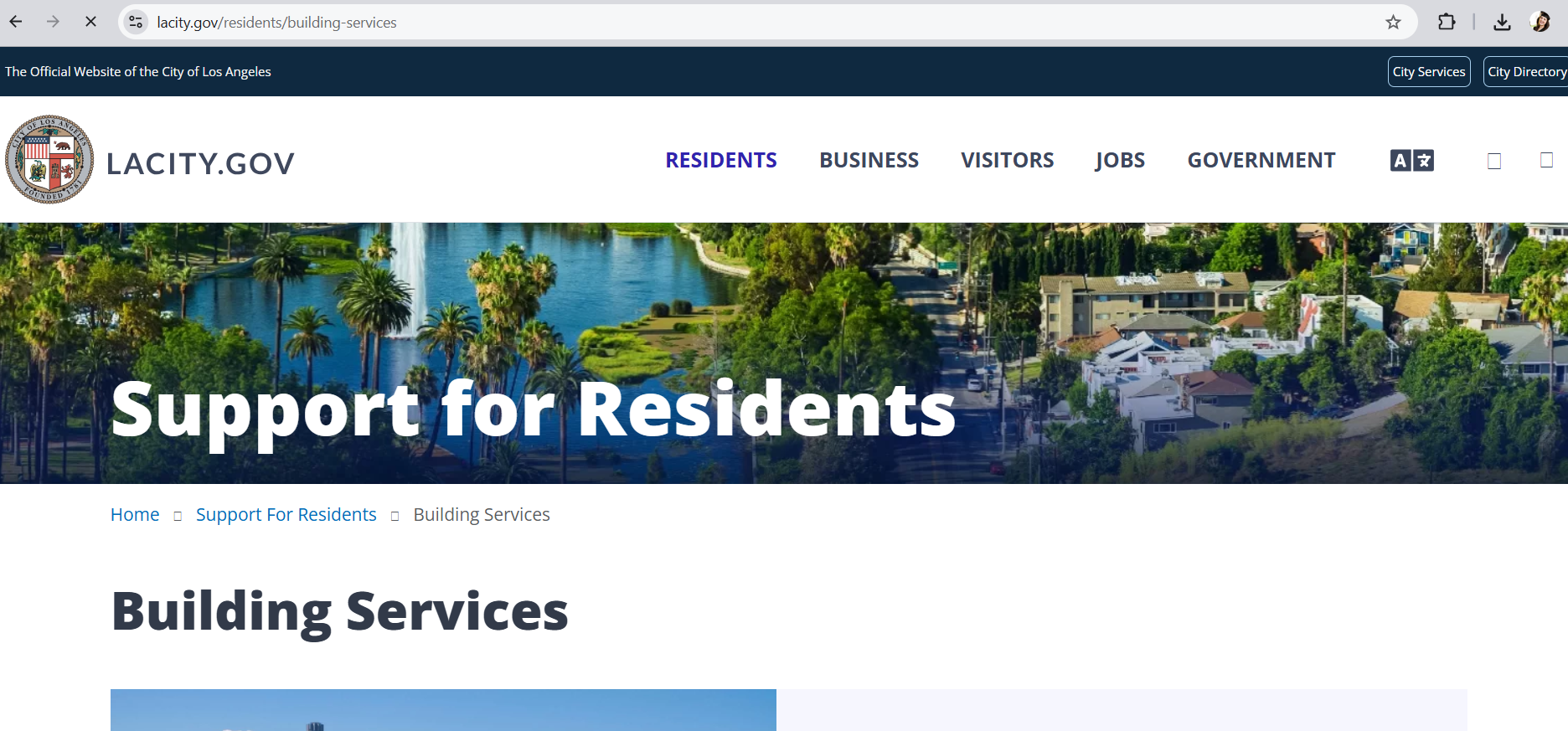
Tip: Many jurisdictions have checklists or guides online that tell you exactly which permits are required for each type of work.
When to Consult a Construction Consultant or Architect
Some projects are complex or involve multiple trades. Hiring a professional can help:
Ensure plans meet local code requirements.
Identify potential zoning issues early.
Avoid multiple rounds of plan check corrections.
A construction consultant can save both time and money. They also ensure that your application is submitted correctly the first time.
Step 2 — Prepare Accurate Plans & Supporting Documents
Having accurate plans and supporting documents is crucial for a smooth permit process. Poorly prepared or incomplete submissions are the main reason for delays. Take time to get your plans right before submitting.
What Goes on a Site Plan
A site plan shows your property and how the project will fit on it. It’s the first thing reviewers check. A good site plan should include:
Lot dimensions and boundaries
Building footprint and location of all structures
Setbacks from property lines
Location of streets, driveways, and sidewalks
Easements, utilities, and drainage features
North arrow and scale
Finished floor elevation
What to Include on Construction Drawings
Construction drawings provide detailed instructions for your project. Reviewers use these to verify compliance with building codes. Key elements include:
Floor plans for each level
Elevations and exterior views
Sections showing structural components
Roof framing plan
Structural notes and calculations
Tip: For larger projects, many cities require plans to be sealed by a licensed architect or engineer. This ensures technical accuracy and can speed up approvals.
Other Supporting Documents
Depending on the project type and jurisdiction, additional documents may be required:
Structural calculations: For load-bearing walls, foundations, or unique designs.
Soils or geotechnical reports: Necessary for hillside or unusual soil conditions.
Mechanical, plumbing, and electrical drawings: Detailed layouts for all trades.
Energy compliance forms: Show that your project meets efficiency standards.
Accessibility compliance forms: Required for commercial projects or multi-family buildings.
Environmental or special permits: Needed if your property is in a flood zone, historic district, or environmentally sensitive area.
Table 1: Supporting Documents for Common Project Types
| Project Type | Required Documents | Notes |
|---|---|---|
| Single-family home addition | Site plan, floor plans, structural calculations, energy forms | Engineer seal may be required |
| Electrical upgrade | Electrical drawings, licensed electrician certificate | Some cities allow minor residential upgrades |
| Deck or patio | Site plan, framing plan | Smaller decks may qualify for express permit |
| Commercial remodel | Full construction drawings, accessibility forms, fire approval | Multiple departments review before issuance |
Preparing accurate plans upfront reduces corrections during plan check and can shorten approval timelines.
Step 2 Summary
Gather all drawings and supporting documents before submission.
Ensure plans are accurate, complete, and scaled correctly.
Include all permits, reports, and approvals needed for your project type.
When in doubt, hire a construction consultant or licensed professional to review plans before submission.
Step 3 — Pre-Application & Zoning Check (Save Headaches Early)
Before spending time on detailed drawings or paying fees, it’s wise to check your project against local zoning rules. Zoning laws determine what you can build, where, and how. A pre-application review can prevent costly revisions later.

Common Zoning Issues to Watch For
Setbacks: The distance your building must be from property lines.
Lot coverage: Maximum portion of your lot that can be built on.
Height limits: Maximum allowed building height in your area.
Floor area ratio (FAR): Ratio of building area to lot size.
Parking requirements: Number of spaces required for residential or commercial projects.
Special overlays: Historic, floodplain, coastal, or environmentally sensitive areas.
Checking these early helps you identify show-stoppers before investing in full plans.
How to Conduct a Zoning Check
Visit your local city or county planning website. Many have interactive zoning maps.
Identify your property’s zoning designation.
Compare your project’s footprint, height, and use with the rules.
If anything seems off, consider redesigning or applying for a variance.
Tip: A pre-application meeting with the planning department can clarify requirements and reduce delays. Bring preliminary sketches and site information for feedback.
How JDJ Consulting Can Help
For complex projects or unfamiliar zoning rules, a construction consultant can:
Review your project against local zoning codes.
Identify potential issues before full plan submission.
Advise on variances or special approvals if needed.
Coordinate with licensed architects and engineers to create compliant plans.
A short consultation at this stage can save weeks of delays and additional costs.
Step 3 Summary
Always check zoning requirements before detailed plan preparation.
Use online maps and local planning guides to confirm rules.
Pre-application meetings and professional help can prevent rework.
Step 4 — Submitting the Application: Online vs. In-Person
Once your plans and documents are ready, it’s time to submit the application. Submission can be done online or in person, depending on your local building department. Following the correct process ensures a smoother approval.
Online Submission
Many cities now allow electronic submissions through portals. Advantages include:
Upload PDFs, drawings, and forms directly.
Check submission status in real-time.
Receive comments and corrections electronically.
Tips for online submission:
Follow the portal’s file naming conventions.
Combine all related documents into a single PDF when possible.
Double-check signatures, stamps, and scales.
Pay fees online if the system allows.
Example: Los Angeles uses ePlanLA, where you can submit plans, pay fees, and track plan check comments online.
In-Person Submission
Some jurisdictions still require physical submission. If submitting in person:
Bring complete sets of drawings and all supporting documents.
Include copies for reviewers and the building department’s records.
Confirm hours of operation and appointment requirements.
Pay fees by check or card as instructed.
Pro Tip: Whether online or in-person, using a submission checklist reduces errors and missing documents.
Step 5 — The Plan Check & Review Process (What Reviewers Look For)
After submission, your plans go through plan check. This is when reviewers check that your project meets building codes, safety standards, and zoning requirements.
Typical Review Process
Initial review: The first set of comments is sent to the applicant, noting missing or incorrect items.
Corrections & resubmission: Address all comments and submit revised plans.
Multiple rounds: Some projects require several iterations before approval.
Final approval: Once all corrections are accepted, permits can be issued.
Tip: The number of plan check rounds depends on project complexity and the thoroughness of initial submissions.
Common Plan-Check Comments
Missing dimensions or unclear labeling
Incomplete structural details
Incorrect grading or drainage information
Mismatched floor plans and elevations
Missing seals or professional stamps
Plan-Check Timeline
Small projects: 1–2 weeks (sometimes faster with online submission)
Medium projects: 3–6 weeks
Large or complex projects: 2–4 months or more
Table 1: Sample Plan-Check Timelines by Project Type
| Project Type | Typical Plan Check Duration | Notes |
|---|---|---|
| Small residential remodel | 1–2 weeks | Minor corrections, often online submission |
| Single-family home addition | 3–6 weeks | Multiple trades and structural review |
| Commercial remodel or new build | 2–4 months | Multiple departments, inspections may start after plan approval |
| Pool or deck | 1–3 weeks | Depends on size and jurisdiction |
Understanding what reviewers look for and preparing your submission accordingly can reduce delays. Hiring a construction consultant or licensed professional to pre-check your plans is often a wise investment.
Step 6 — Paying Fees & Understanding Cost Drivers
Once your plans are approved, the next step is paying permit fees. Fees vary depending on the type and size of your project. Understanding what drives costs can help you budget more accurately.
How Permit Fees Are Calculated
Project valuation: Larger projects or higher-cost builds have higher fees.
Number of trades involved: Electrical, plumbing, mechanical, and building permits often have separate fees.
Plan check fees: Some jurisdictions charge an initial deposit for plan review, which may be adjusted after final calculations.
Additional rounds: Re-submissions or corrections can increase costs if extra plan-check fees apply.
Tip: Check your local building department fee schedule before submission. Some cities provide online calculators to estimate total fees.
Cost-Saving Tips
Submit complete and accurate plans to avoid multiple plan check rounds.
Phase permits where possible (start smaller work while waiting for larger plan approvals).
Consult with a construction consultant to verify fee calculations before submission.
Table 1: Example Permit Fees (Illustrative, USD)
| Permit Type | Fee Range | Notes |
|---|---|---|
| Residential building permit | $500–$5,000 | Depends on project valuation |
| Electrical permit | $50–$1,000 | Varies by number of circuits and scope |
| Plumbing permit | $50–$800 | Includes rough-in and final inspections |
| HVAC/Mechanical permit | $75–$900 | Depends on system size |
| Plan check deposit | $100–$1,000 | Often credited toward final permit fee |
Step 7 — Obtaining the Issued Permit & Starting Work
After paying fees and clearing any final plan-check comments, your permit is issued. This is the official approval to start construction.
Permit Conditions & Special Requirements
Some permits include specific conditions, such as:
Traffic control measures: Required for projects near busy streets.
Tree protection or landscaping conditions: Especially in historic or environmentally sensitive areas.
Special inspections: For structural elements, fire systems, or grading.
Always read the conditions carefully before beginning work.
Scheduling Inspections
Most jurisdictions require inspections at various stages of construction. Typical inspections include:
Foundation/footing inspection – before pouring concrete
Framing inspection – after framing, but before drywall
Electrical, plumbing, and mechanical rough-ins – before covering walls
Insulation/energy inspection – for compliance with efficiency standards
Final inspection – to verify all work meets code and conditions
Tip: Schedule inspections in advance and confirm availability. Keep inspection reports organized for final permit close-out.
Starting Construction Safely
Display your permit on site where it is visible.
Ensure contractors are aware of required inspections and permit conditions.
Maintain a copy of all approved plans, as inspectors may reference them during site visits.
Table 2: Typical Inspection Sequence for Residential Projects
| Inspection Type | Timing | Notes |
|---|---|---|
| Footing/Foundation | Before concrete pour | Check for correct depth and reinforcement |
| Framing | After walls and roof framing | Structural compliance, load-bearing check |
| Rough-in (electrical, plumbing) | Before drywall | Inspect for safety and code compliance |
| Insulation/Energy | After rough-in, before drywall | Energy compliance inspection |
| Final | At project completion | Confirms all work meets code and permit conditions |
Step 8 — Common Delays & How to Avoid Them
Even with proper planning, construction permits can face delays. Knowing what commonly causes issues helps you keep your project on track.
Common Reasons for Delays
Incomplete submissions: Missing drawings, signatures, or supporting documents.
Code or zoning conflicts: Issues with setbacks, height limits, or lot coverage.
Missing professional stamps: Certain plans require licensed architects or engineers.
Agency backlogs: Building departments may have heavy workloads.
Confusing or unclear plans: Poorly labeled or incorrectly scaled drawings.
Tips to Avoid Delays
Schedule a pre-submission meeting with the building department.
Hire licensed professionals for complex plans or structural calculations.
Use a complete checklist of all required documents.
Anticipate special approvals such as fire, environmental, or utility clearances.
Consider online submission portals when available for faster processing.
Pro Tip: Small residential projects may qualify for fast-track permits or express reviews, which can significantly reduce waiting time.
When to Hire Professionals
For many projects, professional guidance can save time, reduce errors, and ensure compliance with codes.

Key Professionals
Architect: Designs your project and ensures code compliance.
Structural Engineer: Confirms structural safety and foundation design.
Licensed Contractor: Oversees construction, coordinates inspections, and manages compliance.
Permit Expeditor: Handles permit submissions and communicates with authorities.
Construction Consultant: Helps review plans, estimate fees, and coordinate multiple trades.
Even for smaller projects, a brief professional consultation can prevent costly mistakes later.
Tips for Cost-Saving & Faster Approvals
Schedule a pre-application meeting to identify potential issues early.
Submit complete and accurate plans to minimize plan-check rounds.
Phase permits if allowed, starting minor work while waiting for larger approvals.
Use checklists and standardized templates for documents and drawings.
Consider prescriptive or modular designs that require less engineering review.
Following these strategies can reduce delays and overall project costs.
Step 11 — Recordkeeping & Future Considerations
Proper documentation is critical for protecting your investment and simplifying future projects.
Recommended Recordkeeping
Approved plans and drawings
Permit applications and fees
Inspection reports and correction notices
Certificate of Occupancy
Why It Matters:
Provides proof of compliance for insurance claims.
Supports property sales or refinancing.
Helps with future renovations or expansions.
Conclusion
Obtaining a construction permit may seem complex, but following the right steps simplifies the process.
Plan carefully: Know what permits you need and prepare accurate documents.
Check regulations: Review zoning and code requirements before submission.
Use professionals when needed: Architects, engineers, contractors, and consultants can prevent mistakes.
Submit correctly and stay compliant: Proper submissions, inspections, and recordkeeping reduce delays and avoid penalties.
By following these steps, your project can move smoothly from concept to completion while staying safe, legal, and code-compliant.
Get Your Construction Permit with JDJ Consulting
Need a construction permit in Los Angeles, Texas, or Florida? JDJ Consulting can help. We guide you through the process, handle paperwork, and make sure your project meets all codes.
Construction permits for residential and commercial projects
Plan review and submission support
Zoning and compliance guidance
Call: (818) 793-5058
Email: sales@jdj-consulting.com
Address: 12925 Riverside Dr, Suite 302, Sherman Oaks, CA 91423
Book a free consultation: Schedule Here

A complete step-by-step guide to securing a construction permit, from determining permit type to receiving the certificate of occupancy. Frequently Asked Questions (FAQs): How to Get a Construction Permit
What is a construction permit?
A construction permit is an official approval from your local building department that allows you to start construction, renovation, or demolition. It ensures your project meets building codes, safety standards, and zoning requirements. Without a permit, your work may be considered illegal, and you risk fines or having to undo the project.
Why do I need a construction permit?
Permits protect property owners, neighbors, and the public by ensuring:
Structural safety
Electrical, plumbing, and mechanical compliance
Fire and energy code adherence
Proper zoning use
Obtaining a permit also ensures legal recognition of your construction, making it easier to sell or refinance your property in the future.
Which projects typically require a permit?
Most structural or system-related projects require a permit, including:
Home additions and new construction
Major remodeling or interior renovations
Electrical, plumbing, and HVAC upgrades
Decks, patios, and pool installations
Demolition or grading work
Minor cosmetic updates like painting or replacing flooring often do not require a permit.
How do I apply for a construction permit?
To apply:
Prepare accurate site plans and construction drawings
Complete the permit application form from your local building department
Submit supporting documents, including structural calculations, energy forms, and professional seals if required
Pay applicable fees and track your application online or in-person
A construction consultant can guide you through this process.
How long does it take to get a construction permit?
Time varies depending on project complexity and jurisdiction:
Small residential projects: 1–2 weeks
Home additions or moderate remodels: 3–6 weeks
Commercial or complex projects: 2–4 months or more
Completing accurate applications and hiring professionals can significantly reduce delays.
What documents are required for a construction permit?
Typical documents include:
Site plan and construction drawings
Structural calculations
Mechanical, plumbing, and electrical plans
Energy compliance forms
Accessibility compliance forms
Contractor license and insurance certificates
Application fees
Providing complete documentation reduces plan-check corrections.
Can I start construction without a permit?
No. Starting work without a permit is risky:
You may face fines or stop-work orders
Completed work may need to be demolished
Insurance claims could be denied
Selling or refinancing your property may become complicated
Always secure a permit before beginning any structural or regulated project.
How much does a construction permit cost?
Costs vary based on project type, size, and jurisdiction:
Residential building permits: $500–$5,000
Electrical or plumbing permits: $50–$1,000
HVAC permits: $75–$900
Plan check fees: $100–$1,000
Fees are often calculated based on project valuation and number of trades involved.
What is the difference between plan check and a permit?
Plan check: A review process where the building department ensures your plans comply with codes. Corrections may be requested.
Permit: The official approval granted after plan check and fee payment, allowing construction to begin legally.
Completing an accurate plan check reduces delays and additional fees.
How many inspections are required during construction?
Inspections vary but typically include:
Foundation/footing inspection before concrete pour
Framing inspection before drywall
Electrical, plumbing, mechanical rough-ins
Insulation and energy efficiency check
Final inspection to confirm compliance
Scheduling inspections on time ensures smooth permit compliance.
Can I apply for a permit online?
Many cities provide online permit portals where you can:
Upload drawings and documents
Track submission status
Receive and respond to plan check comments
Pay fees electronically
Online submission often speeds up approval and reduces the need for multiple in-person visits.
Do I need an architect or engineer for a permit?
For most major projects, yes:
Architects ensure design compliance and code adherence
Structural engineers verify safety and calculations
Minor projects may not require professionals, but consultation is recommended to avoid errors
Professional involvement reduces plan-check revisions and delays.
What happens if my permit application is denied?
Common reasons for denial:
Incomplete or inaccurate plans
Zoning conflicts
Missing professional stamps
Unpaid fees
If denied, corrections must be made before resubmitting. Consulting a construction professional can help resolve issues faster.
Can permits be transferred to a new property owner?
Some permits can transfer if work has not started, but many are non-transferable once issued.
Always confirm with your building department
If a permit is non-transferable, the new owner must apply separately
Maintaining records helps with this process.
How long is a construction permit valid?
Permits generally have an expiration date, often:
6–12 months for small projects
12–24 months for larger projects
Extensions may be possible if construction is delayed. Always check your local regulations.
What is a Certificate of Occupancy?
A Certificate of Occupancy (CO) confirms that a building is:
Safe and habitable
Compliant with building codes
Ready for occupancy
A CO is required before using a new building or completed renovation.
Are inspections mandatory?
Yes. Inspections are part of the permit process to ensure:
Structural integrity
Electrical, plumbing, and mechanical compliance
Energy efficiency and safety
Adherence to approved plans
Missing inspections can result in fines or permit revocation.
How do I avoid delays in getting a permit?
Prepare accurate and complete plans
Check zoning and code requirements before submission
Hire licensed professionals for complex projects
Attend pre-submission meetings with building departments
Submit documents online when possible
Proper planning can save weeks of time.
Can I make changes after my permit is issued?
Yes, but changes usually require:
Amendment approval from the building department
Updated drawings or calculations
Possible additional fees
Making unapproved changes may invalidate your permit and lead to fines.
What is the role of a construction consultant in permitting?
A construction consultant helps:
Review and prepare permit documents
Ensure zoning and code compliance
Submit applications and follow up with authorities
Coordinate with architects, engineers, and contractors
Avoid delays and reduce costs
They act as a guide through the entire permit process.