
California is a dream market for property investors. Big cities, booming suburbs, and endless opportunities. But it’s also a tough market. Prices are high, competition is fierce, and regulations can be tricky.
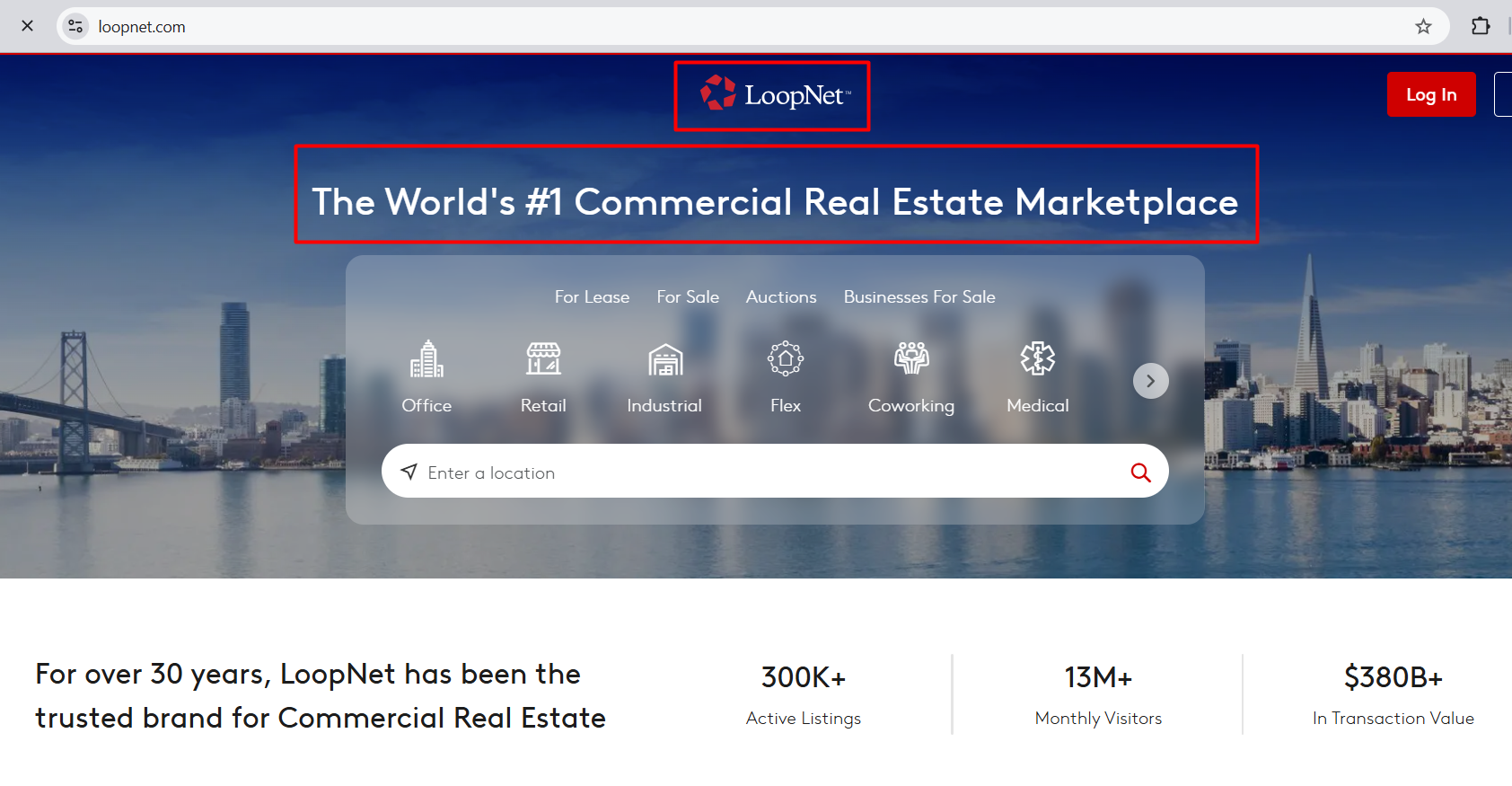
That’s where LoopNet comes in. It’s one of the leading platforms for commercial and rental property listings. But knowing how to use it effectively is key. This guide will show you how to navigate LoopNet, research properties, and make smart investments in California.
Why Use LoopNet for California Real Estate?
LoopNet is more than just a listing site. It’s a tool for serious investors. Here’s why it’s worth your time:
-
Comprehensive listings – Commercial buildings, multi-family homes, and investment properties.
-
Detailed property information – Financials, square footage, tenant history, and more.
-
Search filters – Narrow down by price, location, property type, and size.
-
Alerts and notifications – Get updates when new properties hit the market.
For investors looking to make data-driven decisions, LoopNet is invaluable. But just having an account isn’t enough. You need strategy.
Step 1: Set Your Investment Goals
Before clicking “search,” know what you want. California offers a variety of markets, from inland value cities to expensive coastal metros. Ask yourself:
-
Are you after a rental property or commercial space?
-
What’s your budget?
-
Do you care more about cash flow or long-term appreciation?
-
Which cities fit your investment style? Fresno? Sacramento? Riverside?
Clear goals make your LoopNet search faster and smarter.
Step 2: Create and Optimize Your LoopNet Account
To access the best features:
-
Sign up for a LoopNet account. Free accounts work, but paid accounts unlock more details.
-
Complete your profile. Sellers may reach out directly.
-
Set up saved searches and alerts. This ensures you never miss a good property.
Your account is your command center. A well-optimized profile helps you act quickly when opportunities arise.
Step 3: Search for Properties the Smart Way
LoopNet’s search tools are powerful if used correctly:
-
Filter by city or region: Focus on areas with strong rental demand or growth potential.
-
Set price limits: Avoid wasting time on properties out of reach.
-
Select property type: Multi-family, office, retail, industrial — or mixed-use.
-
Sort by listing date or price per square foot: Helps find new or undervalued properties.
Pro tip: Set up automated alerts. The best properties in California move fast.

Step 4: Research Every Property
Don’t buy on listing photos alone. Research is critical.
-
Neighborhood check – Schools, safety, amenities, and transportation.
-
Rental comps – Compare similar properties to estimate potential income.
-
Zoning and permits – Make sure the property allows your intended use.
-
Financials – For commercial properties, check rent rolls, occupancy, and expenses.
Deep research separates smart investors from amateurs.
Step 5: Contact the Listing Agent
Every LoopNet listing has an agent or broker. Reach out early.
-
Ask for detailed financials or tenant information.
-
Request a site visit — seeing a property in person is invaluable.
-
Use the agent’s local knowledge to understand the neighborhood, trends, and potential pitfalls.
Agents can also guide negotiation, saving you time and money.
Step 6: Make a Competitive Offer
When you find a property, don’t hesitate — but don’t rush.
-
Compare comparable sales to determine a fair price.
-
Include contingencies: inspections, financing, and appraisal.
-
Be ready to negotiate — most sellers expect it.
-
Keep your goals in mind: cash flow vs. long-term appreciation.
A solid offer shows you’re serious and increases your chance of securing the property.
Step 7: Conduct Thorough Due Diligence
Before closing, protect yourself:
-
Hire a professional inspector for structural, mechanical, and pest checks.
-
Verify zoning and permits to ensure your planned use is legal.
-
Review tenant leases if the property has renters.
-
Check insurance and property taxes.
Due diligence prevents costly surprises and ensures a smooth purchase.
Step 8: Closing the Deal
Once due diligence is complete:
-
Work with a title company or real estate attorney.
-
Ensure all liens or debts are cleared.
-
Transfer funds and take possession.
-
Update your LoopNet dashboard to track future opportunities.
The closing process may take time, but thoroughness pays off.
Step 9: Manage Your Property Effectively
Buying is just the beginning. Successful investors focus on long-term management:
-
For rentals: Screen tenants, handle maintenance, and track cash flow.
-
For commercial properties: Consider professional property management to maximize income.
-
Monitor local market trends for rent increases or property upgrades.
Effective management ensures your California investment remains profitable.
Tips to Maximize Your LoopNet Experience
-
Be patient: Good properties aren’t always listed. Wait for the right one.
-
Set alerts: Automated notifications save time and prevent missed opportunities.
-
Compare multiple cities: Emerging inland markets often have better cash flow than coastal areas.
-
Budget wisely: Factor in maintenance, property management, and closing costs.
-
Use consultants or brokers: They provide valuable insights into local trends and regulations.
Opinion: Why LoopNet Is Essential for California Investors
LoopNet isn’t just a listing site. It’s a research tool, a marketplace, and a planning resource. Investors who use it wisely can:
-
Spot undervalued properties before others see them.
-
Compare neighborhoods and cities quickly.
-
Make data-backed decisions for cash flow and long-term growth.
If you skip LoopNet, you’re likely missing opportunities in California’s competitive market.
The Takeaway
California offers incredible opportunities for property investors — but it’s not for the unprepared. LoopNet helps investors navigate the complex landscape, find the right properties, and make smart decisions.
From setting goals, researching neighborhoods, contacting agents, performing due diligence, and managing properties, each step is crucial. Investors who approach LoopNet strategically gain an edge over those who rush in blindly.
In short: LoopNet is a tool, but strategy is your real advantage. With patience, research, and proper planning, buying property in California doesn’t have to be intimidating — it can be a smart, profitable move.
Thinking About Buying Property in California? Let’s Make It Simple.
We know the California market can be confusing. That’s where JDJ Consulting Group comes in. We guide you step by step, helping you make smart decisions without the stress. Our services include:
-
Finding high-potential markets so your investment has the best chance to grow
-
Evaluating properties to see if they make sense for your goals
-
Navigating local rules and permits so you stay compliant
-
Planning long-term to protect and grow your investment
Give us a call at (818) 793-5058 or reach out online — we’ll help you figure out your next move, one step at a time.