SB 9 is a California housing law that lets homeowners add more homes on single-family lots. It also allows some parcels to be split into two. The idea is to support more housing in areas that already have roads, parks, and services.
The process is faster than many traditional permits because SB 9 relies on “ministerial approval.” This means cities review your plans using clear rules instead of long hearings. It saves time for many property owners.
However, not every lot qualifies. SB 9 has strict eligibility criteria. Many parcels meet the zoning requirement but fail because of environmental or historic limits. So it is important to understand where the law applies and what could block approval.
Here is a quick overview of what SB 9 tries to achieve:
Increase housing options in existing neighborhoods.
Allow homeowners to create two units on one lot.
Support lot splits when certain standards are met.
Reduce delays created by discretionary review.
Quick Look at SB 9 Goals
| Goal | What It Means for Homeowners |
|---|---|
| Add housing in single-family zones | You may add one more unit or consider a lot split |
| Simple review process | Fewer hearings and faster decisions |
| More flexibility | Smaller homes or duplex-style layouts become possible |
| Protect tenants and historic areas | Some parcels remain off-limits |
Core Eligibility Requirements for SB 9
SB 9 has several baseline requirements. These rules decide whether a parcel even qualifies for review. If a lot fails at this stage, the city cannot approve an SB 9 project.
The two big requirements are zoning and location. Then there are additional rules about the parcel’s condition, history, and environmental status.
Let’s break down the essentials in plain terms.

Zoning: The Property Must Be in a Single-Family Residential Zone
Your parcel must be zoned for single-family homes. Cities label these zones differently. Some use “R-1,” while others use local names. But the meaning is the same. The area is meant for one main home on each lot.
If your property is not in a single-family zone, then SB 9 does not apply. Multi-family, mixed-use, or commercial zones are not eligible.
Cities usually publish zoning maps. Checking that map is the first step.
Location: The Parcel Must Sit in an Urbanized Area
SB 9 only applies to lots in an “urbanized area” or “urban cluster.” These terms come from federal mapping. They cover places with established neighborhoods and built infrastructure.
Most cities in California fall into this category. But some edge-of-town or semi-rural parcels do not.
Here is a simple way to think about it:
| Location Type | SB 9 Eligible? | Notes |
|---|---|---|
| Urbanized area | Yes | Most parcels in California cities |
| Urban cluster | Often yes | Depends on boundaries |
| Rural zone | No | SB 9 does not cover rural land |
| Outlying parcels with limited services | No | Fails infrastructure expectation |
Restrictions and Conditions That Can Block SB 9 Eligibility
Even if your parcel is in the right zone and location, it may still be disqualified. SB 9 has several land-use, environmental, and legal protections built into the law.
These rules help protect sensitive land, historic resources, and tenants.
Cities must review these limits before they approve any SB 9 project.
Environmental and Land-Use Restrictions
Your property may not qualify if it sits in a sensitive or protected area. Some examples include:
Prime farmland
Wetlands
Conservation land
Habitat for protected species
Very High Fire Hazard Severity Zones
Floodways or certain flood-risk areas
Hazardous waste sites
These restrictions help reduce risk and protect public safety.
Historic and Affordable Housing Restrictions
SB 9 does not allow development that harms important cultural or affordable housing assets. This includes:
Homes in historic districts
Designated historic buildings
Deed-restricted affordable homes
Rent-controlled homes
Properties with tenants in the last three years
If any of these conditions apply, the parcel is usually ineligible.
What Is SB 9 and Why It Matters for California Homeowners
SB 9 is a California housing law passed in 2021. It lets qualified homeowners split their lot or add another home on the same property. The goal is simple. The state wants to help ease the housing shortage by allowing more small-scale homes in existing neighborhoods.
For many property owners, SB 9 feels like a big opportunity. It offers a way to build more housing, create rental income, or support multigenerational living. But the law is not a free pass. Cities still have rules. And you must meet the eligibility criteria before you can start.
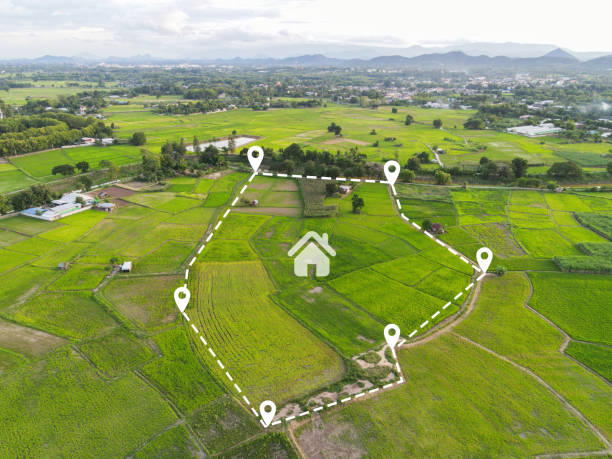
Below is a quick overview of what SB 9 allows:
Urban lot splits
You may split one residential lot into two legal parcels.Two-unit development
You can build up to two homes on a qualifying lot.Both options on some properties
In some cases, you may build two units on each newly created lot.
Even though SB 9 is statewide, each city can add its own standards. These local rules must stay “objective,” but they can limit things like design, parking, and building size.
Why SB 9 Has Strict Eligibility Rules
SB 9 changes long-standing zoning patterns. Because of this, the state added rules to avoid misuse. The law tries to balance two goals:
Increase housing supply
Protect neighborhoods from overdevelopment
This is why eligibility rules exist. They make sure the property is safe, suitable for development, and not part of a protected area.
SB 9 Eligibility Criteria: Core Requirements Explained
To qualify for SB 9, your property must meet the basic requirements in the California Government Code. These rules determine whether your lot is even allowed to apply.
Here are the main criteria in simple terms.
1. The property must be in an urban area
The lot must be located:
In an urbanized area, or
In an urban cluster recognized by the U.S. Census Bureau.
Almost all city neighborhoods qualify. Most rural or remote areas do not.
2. Your lot must be zoned for single-family homes
The law only applies to parcels zoned for single-family residential use. If your lot is zoned commercial, industrial, or multi-family, it does not qualify.
3. The property cannot be in a protected zone
Some areas are completely off-limits under SB 9. Examples include:
High fire hazard severity zones (unless certain mitigation standards are met).
Hazardous waste sites.
Floodplains without proper safety measures.
Prime farmland or protected agricultural land.
Land with conservation easements.
If your property falls into one of these categories, you may not qualify.
4. The existing home cannot be tenant-occupied (in some situations)
SB 9 includes strong protections for renters. You may not use SB 9 if:
A tenant has lived in the home in the last 3 years.
The home is under rent control.
The property was withdrawn from the rental market under the Ellis Act within the last 15 years.
5. No historic district properties
Homes in a local or state historic district are excluded. City registers and state databases list these properties.
Table: Core SB 9 Eligibility Requirements (Quick Overview)
| Requirement | Does It Affect Eligibility? | Simple Explanation |
|---|---|---|
| Urban location | Yes | Property must be in an urbanized area. |
| Single-family zoning | Yes | Lot must be zoned for single-family use. |
| Not in a protected zone | Yes | Property cannot be in sensitive or restricted areas. |
| No tenant protections violated | Yes | Property cannot displace tenants or rent-controlled occupants. |
| Not a historic site | Yes | Historic properties are excluded. |
Understanding SB 9 Lot Split Requirements
If you plan to split your lot under SB 9, additional rules apply. These rules help cities manage density and maintain fair property development.
Here is what you need to know.
Minimum lot size after the split
Each resulting parcel must be at least 1,200 square feet. Some cities allow slightly smaller sizes, but only if both lots are still “usable” for development.
Split must be roughly equal
SB 9 requires that the two parcels be about the same size. One lot cannot be less than 40% of the total original lot area.
Only one SB 9 split per property
You cannot split:
The same lot more than once, or
Adjacent lots owned by the same person at the same time.
This rule prevents people from creating multiple micro-lots.
Owner occupancy declaration
If you pursue a lot split, you must sign an affidavit confirming that you plan to live in one of the homes for at least three years. This rule applies only to lot splits, not two-unit developments.
Table: SB 9 Lot Split Rules
| Lot Split Rule | Requirement | Details |
|---|---|---|
| Minimum lot size | 1,200 sq. ft. | Some cities may set slightly different standards. |
| Size distribution | 40% minimum | One parcel cannot be smaller than 40% of original lot. |
| Number of splits | One only | No repeated or serial lot splits. |
| Owner occupancy | 3-year affidavit | Required for lot splits only. |
SB 9 Two-Unit Development Requirements
If you are not splitting your lot, you may still qualify to build up to two homes on your property. This option is often easier because it does not require an owner-occupancy promise or a parcel split.
Below are the main rules for SB 9 two-unit projects.
You can build two units on one lot
This can include:
Two new detached homes
A new home plus the existing home
A duplex, if allowed by your city
A mix of attached and detached units
Cities must review these projects through a ministerial process, meaning no public hearing or discretionary review.
No short-term rentals
SB 9 units must be used for long-term housing. Cities require each home to be rented for more than 30 days. This prevents the units from becoming vacation rentals.
Cities cannot apply subjective design rules
Local governments may set standards such as:
Height limits
Building setbacks
Parking requirements
Lot coverage rules
However, these rules must be objective, written, and measurable. Cities cannot require neighborhood consent or subjective design approvals.
Impact fees still apply
You may need to pay fees for:
Utilities
Sewer and water upgrades
Traffic or infrastructure impacts
School fees
Park or community fees
The fees vary widely by city, so it is best to check local guidelines early.
Setback and Height Requirements Under SB 9
Setbacks control how close you can build to property lines. SB 9 allows very flexible setbacks, but each city can add its own standards.

Here is what the law says.
Four-foot side and rear setbacks
Cities must allow 4-foot side and rear setbacks for new SB 9 units. Some cities allow even less for conversions or existing structures.
Front setbacks follow local zoning rules
Most cities keep the original front setback, such as:
10 feet
15 feet
20 feet
This helps maintain street consistency.
Height limits vary
Height limits depend on the city. Many allow:
16 to 30 feet for detached units
Two stories, depending on local rules
Cities may not set rules that make building “impossible,” but limits still apply.
When SB 9 Does Not Apply
Even if your property meets zoning and location requirements, SB 9 may still not apply depending on the circumstances. These limitations are meant to protect sensitive areas and prevent harmful development.
Here are the common reasons a homeowner may be disqualified.
Properties in disaster-prone areas
If your lot is in:
High fire hazard zones
Floodways without mitigation
Landslide-prone areas
you may be excluded unless specific safety standards are met.
Lots with protected tenants
The law prevents displacement. If a renter lived in the home anytime in the last 3 years, the project may not qualify.
Homes under affordable-housing restrictions
Properties under:
Rent control
Affordable housing covenants
Deed restrictions
cannot use SB 9 to add or replace units.
Lots recently used for rentals
The state added a protection known as the “no recent rental” rule.” If the home was withdrawn from the rental market under the Ellis Act within the last 15 years, SB 9 is not allowed.
How Local Cities Interpret SB 9 (Examples of City Variations)
SB 9 is a state law, but each California city still applies it in its own way. Cities cannot block SB 9, yet they can set objective standards that shape how your project looks or fits on the property.
Because of this, homeowners often see different rules from one city to another. Below are common examples of how cities interpret SB 9.
Different minimum lot sizes
Some cities require your original lot to be a certain size before you can split it. Common minimums include:
5,000 square feet
6,000 square feet
7,500 square feet
These rules change how feasible a project may be.
Parking rules vary
Most cities require one parking space per unit unless exceptions apply. Parking is usually not required when:
Your property is close to a transit stop
You convert an existing structure
You are in a historic or designated parking-exempt area
Parking rules are one of the most common areas where cities differ.
Design standards and building styles
Cities can require objective rules for:
Exterior materials
Roofing types
Window layouts
Color palettes
Landscaping
Building heights
These rules must be clear and measurable. Cities cannot ask for neighborhood reviews or subjective approvals.
Local review timelines
SB 9 projects must go through a ministerial review, which is faster. However, timelines may vary:
Some cities respond within 30 days
Others take 60 days
A few take longer due to staffing or workload
Although it is faster than a standard planning process, delays still happen.
Owner-Occupancy Rules for SB 9 Lot Splits
Not all SB 9 projects require the owner to live on the property. However, if you plan to split your lot, you must sign an owner-occupancy affidavit.

Three-year residency rule
You must confirm that you will live in one of the homes for at least three years. This rule was designed to prevent large investors from buying multiple lots and splitting them for profit.
The residency rule does not apply if:
You are only building two units (no split)
You convert an existing structure
You are doing an addition only
It applies only to SB 9 urban lot splits.
Common questions homeowners ask
Do I have to live there before the split?
No. The rule applies to the future occupancy after approval.
Can I rent out the other unit?
Yes, as long as the rental is long-term (more than 30 days).
What if I sell the property?
The affidavit does not require you to stay if you sell, but buyers may face restrictions depending on city interpretation.
Impact of SB 9 on Existing Structures and Utilities
Many homeowners want to know how SB 9 affects their current home, garage, or utility lines. The law has guidelines that help cities determine what can stay and what must be upgraded.
You may keep your existing home
SB 9 does not require you to demolish your current house. Most projects keep the existing structure and add a second unit.
Conversions are allowed
You may convert:
Garages
Basements
Storage spaces
Detached accessory buildings
Cities often allow these conversions if they meet safety standards.
Utility connections
Cities may require:
Separate meters
Upgraded water or sewer lines
New utility easements
Fire-flow improvements in some areas
These upgrades increase safety but can raise project costs.
Fire safety standards
If your property is near a fire-hazard area, cities may require:
Sprinklers
Ember-resistant vents
Fire-safe landscaping
Widened driveways for emergency access
These rules depend on your specific location.
Common Myths and Misunderstandings About SB 9
SB 9 is still new, so misunderstandings are common. Many homeowners hear mixed information from neighbors, online forums, or outdated city documents. Here are the myths you should ignore and the facts you should know.
Myth 1: SB 9 lets you build as many units as you want
Fact:
The law allows up to two units on a qualifying lot. Or, after a lot split, up to two units on each lot. You cannot build four units on a single parcel without splitting it.
Myth 2: Cities can block SB 9 if neighbors complain
Fact:
Cities must approve SB 9 projects through a ministerial process. This means:
No public hearings
No discretionary review
No neighbor approval needed
Cities can only deny a project if it creates a clear health or safety risk backed by evidence.
Myth 3: You must demolish your existing home
Fact:
You may keep your home and add another unit. Most SB 9 projects do exactly that.
Myth 4: SB 9 overrides all zoning rules
Fact:
SB 9 allows flexibility, but not total freedom. Cities may still require:
Basic setbacks
Building height limits
Lot coverage rules
Parking requirements
These standards must be objective, but they still apply.
Myth 5: SB 9 is only for developers
Fact:
The law was designed primarily for individual homeowners. The owner-occupancy rule for lot splits helps prevent investor-driven mass development.
Benefits of SB 9 for Homeowners
SB 9 offers several advantages for people who want to use their property in a smarter way. These benefits depend on your long-term plans, but most homeowners see the value quickly.

1. Ability to create more housing
You can add one or two small homes for:
Adult children
Retiring parents
Extended family
Long-term renters
This helps many families live closer while still having privacy.
2. Potential long-term rental income
SB 9 units must be long-term rentals, not short-term vacation homes. Still, this can create steady supplemental income.
3. Higher property value
Many SB 9 projects lead to:
Larger homes
More functional layouts
Additional units
This often increases market value.
4. Easier review process
Because the approval is ministerial, you avoid:
Planning commission hearings
Neighborhood objections
Discretionary delays
This makes the process simpler compared to typical development.
5. Flexible building options
You can choose:
Attached units
Detached units
Conversions
Duplex-style designs
SB 9 gives far more freedom than traditional single-family zoning.
Challenges and Limitations of SB 9
SB 9 offers many benefits, but it also has limits you must consider. Knowing these helps you plan your project with realistic expectations.
1. High construction costs
Building a new home or splitting land requires money. Costs may include:
Architecture
Engineering
Permits
Soil testing
Utility upgrades
Construction
These expenses can add up fast.
2. City variability
Every city interprets SB 9 differently. Some cities make the process smooth. Others add stricter standards that increase cost or reduce flexibility.
3. Utility upgrades
Older neighborhoods often need:
New sewer laterals
Larger water lines
Updated electrical capacity
These upgrades can delay or increase project costs.
4. Lot size constraints
A small lot may qualify for SB 9, but it may not offer enough usable space for two comfortable units.
5. Environmental and hazard restrictions
If your property is in a restricted or sensitive area, you may face:
Fire safety rules
Flood control rules
FEMA requirements
Environmental reviews
These can limit what you can build.
Step-by-Step Process for Determining SB 9 Eligibility
If you want to know whether your property qualifies for SB 9, it helps to follow a simple step-by-step process. This makes it easier to confirm eligibility before spending money on plans or consultants.
Below is a clear breakdown you can use.
Step 1: Check if your property is in an urbanized area
Start by confirming your address is in an urban:
Urbanized area, or
Urban cluster
Almost all cities in California qualify. Rural areas do not.
You can check this using the U.S. Census Bureau’s online map or your city’s planning department.
Step 2: Confirm your zoning designation
Next, check the zoning for your parcel. Your lot must be zoned for single-family residential use.
You can verify this by:
Looking up your parcel on your city’s zoning map
Calling the planning department
Checking your property tax records
If you see zoning labels like R-1, RS, or SF, you are likely in a qualifying zone.
Step 3: Review hazard zone maps
SB 9 does not apply to certain protected areas. Look for restrictions related to:
Fire hazard severity zones
Floodplains
Earthquake fault zones
Landslide areas
Hazardous waste sites
Your city can tell you whether your lot falls under these categories.
Step 4: Confirm tenant history
If a tenant lived in your home within the last three years, you may not qualify. The rule protects renters from displacement.
To check this:
Review past lease or rental records
Confirm whether your property has ever had rent-control status
Check if the property was withdrawn under the Ellis Act
No tenant-related issues? Then you are still eligible.
Step 5: Check whether your home is in a historic district
SB 9 excludes properties:
In local historic districts
Listed on state or federal historic registers
Your city has maps that show these districts.
Step 6: Evaluate your lot size
If you plan a lot split, confirm:
Your lot can support two parcels at least 1,200 sq ft each
One parcel will not drop below 40% of the total lot area
If the lot is too small, you may still add a second unit without splitting.
Step 7: Ask about local SB 9 rules
Cities often have:
Local SB 9 ordinances
Objective design standards
Parking rules
Setback requirements
Height limits
These rules may change your design or project cost.
Step 8: Talk to a consultant or planner
Once you confirm the basics, it helps to:
Speak with a local planner
Work with a consultant
Request a zoning letter
Ask for a parcel review
This ensures there are no surprises before you begin the formal process.
How to Prepare for an SB 9 Application
Even though SB 9 approvals are ministerial, you still need proper documents and plans. Preparing early makes the process smoother and helps you avoid delays.

Here is what most homeowners need.
1. A site plan
A clear site plan shows:
Property boundaries
Setbacks
Utility locations
Existing structures
Proposed units
Many cities require a professional draft.
2. Unit designs or building plans
You will need drawings that include:
Floor plans
Elevations
Roof layouts
Building heights
Exterior materials
Cities must follow objective standards, so plans must be clear and consistent.
3. Survey or parcel map (for lot splits)
Lot splits require:
A professional survey
A tentative parcel map
A final parcel map
These help the city confirm the new lot lines.
4. Utility plan
A utility plan may include:
New water lines
Sewer connections
Electrical upgrades
Gas lines
Drainage paths
Some cities require separate meters.
5. Environmental documents
Most SB 9 projects do not require full environmental review. However, hazard areas may require:
Fire mitigation reports
Flood control documents
Geologic studies
It depends on your location.
6. Application forms and fees
Most cities ask for:
SB 9 application forms
Affidavits
Declarations
Permit fees
Impact fees
Fees vary widely from one city to another.