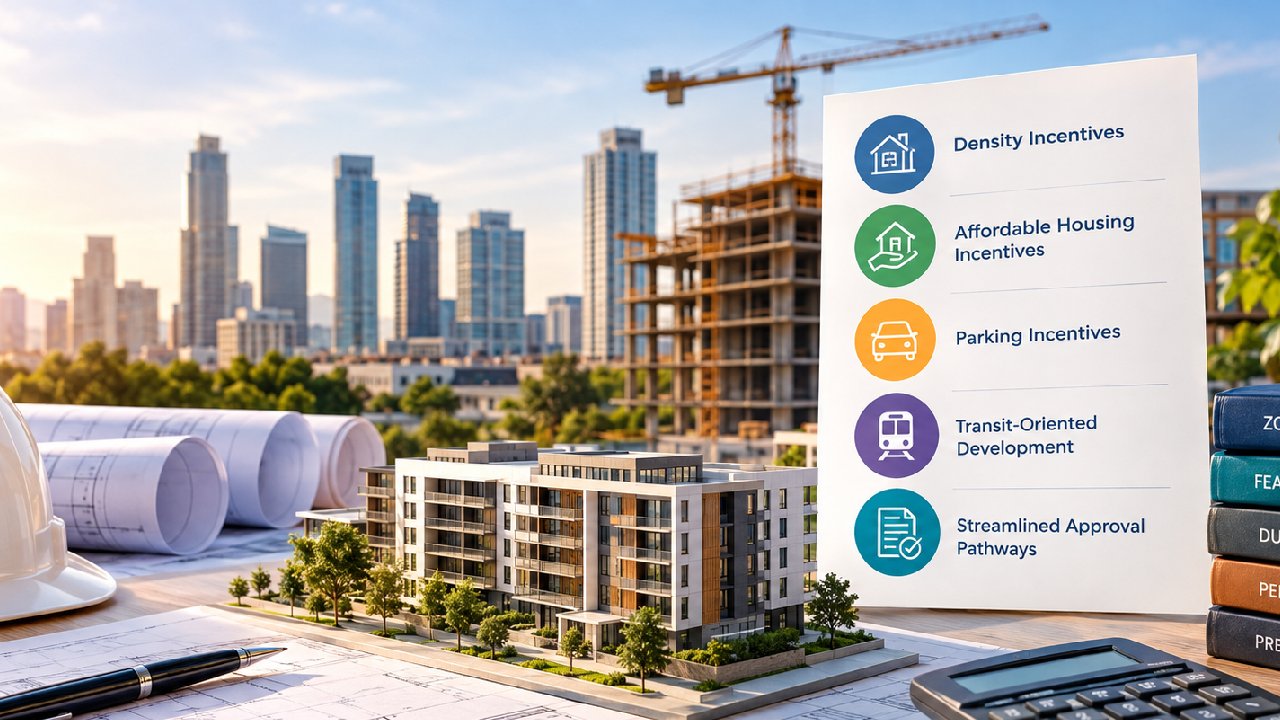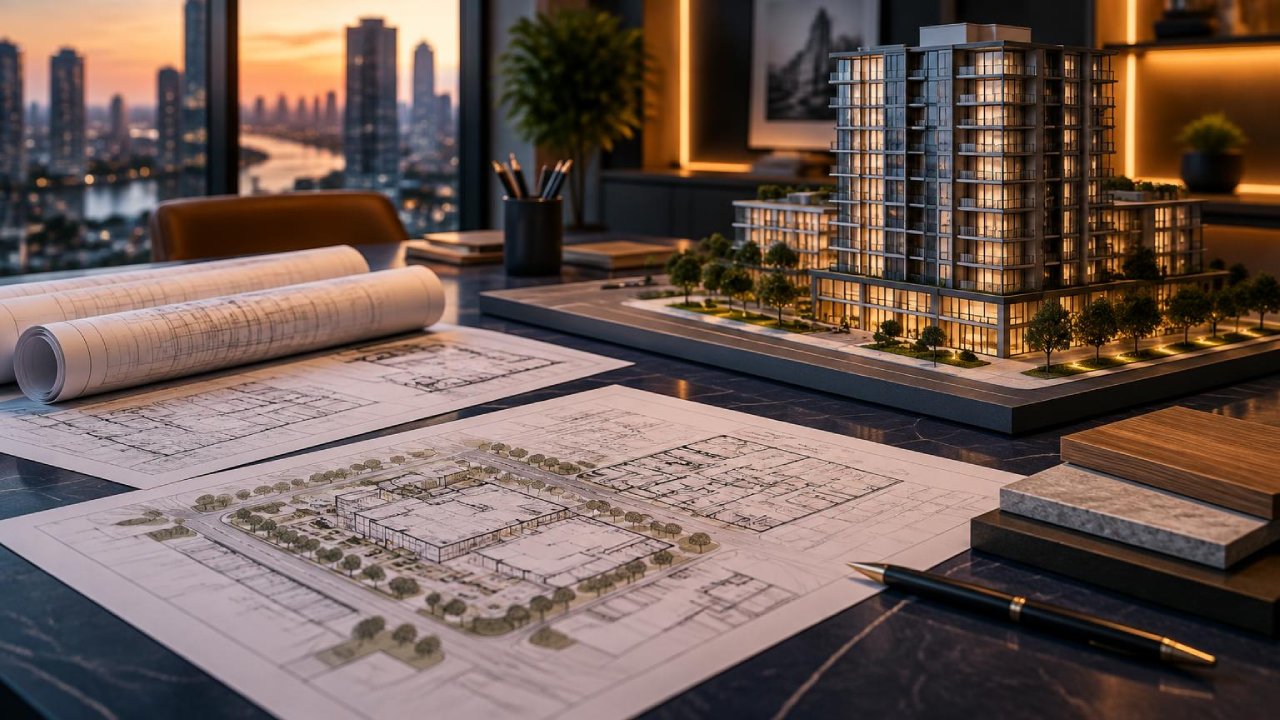

Small lot subdivision is one of the most practical ways to develop land in Los Angeles. It allows property owners and developers to create multiple fee-simple homes on a single parcel, without using a condo setup.
Table of Contents
In a city where land is limited and housing demand stays high, small lot projects have become a common infill solution. They work well in multi-family zones and certain commercial areas, especially where traditional large lots no longer make sense.
This guide explains the small lot subdivision process in Los Angeles in clear, simple terms. We focus on rules, steps, and real-world considerations that matter to property owners and developers.
What Is a Small Lot Subdivision in Los Angeles?
A small lot subdivision lets you divide one property into several very small legal lots, each with its own ownership. Every lot usually holds one home, often designed like a townhome or compact single-family residence.
Unlike condominiums, each owner holds the land beneath their home. There is no shared ownership of units, which many buyers prefer.
Small lot subdivisions are governed by the Los Angeles Small Lot Subdivision Ordinance. This ordinance modifies standard zoning rules to allow smaller lot sizes, reduced setbacks, and shared access areas.

Why small lot subdivisions are popular
Small lot projects have gained traction for a few simple reasons:
They allow fee-simple ownership, not condos
They work well for urban infill development
They reduce land cost per home
They fit narrow or irregular parcels
They align with Los Angeles housing goals
For developers, they offer flexibility.
For buyers, they feel more like owning a house than a unit.
Small lot subdivision vs other lot types
To understand where small lots fit, it helps to compare them to other options.
| Subdivision Type | Typical Zoning | Ownership Style | Common Use |
|---|---|---|---|
| Small Lot Subdivision | R3–R5, RD, some commercial zones | Fee simple | Townhomes or compact homes |
| Standard Parcel Map | Most zones | Fee simple | Traditional single-family lots |
| Condominium Map | Many zones | Shared ownership | Apartments or attached units |
Small lot subdivisions sit between condos and traditional subdivisions. They blend density with ownership simplicity.
Legal Foundation of Small Lot Subdivisions in Los Angeles
Small lot projects are not informal splits. They follow strict legal and planning rules set by the City of Los Angeles.
Understanding the legal structure early can save time, cost, and frustration later.
Small Lot Subdivision Process
Feasibility Check
Check zoning, access, and site suitability
Survey & Map Prep
Hire licensed surveyor to prepare parcel/tract map
City Review
Planning, fire, engineering, and building approval
Final Map Recordation
Create legal lots & proceed to construction
The Small Lot Subdivision Ordinance explained
The Small Lot Subdivision Ordinance was created to encourage compact housing without relying on condominiums.
Under this ordinance:
Minimum lot sizes are reduced
Interior side yards may be eliminated
Shared driveways are allowed
Lots can be fee-simple and recorded separately
The ordinance works alongside the California Subdivision Map Act. That means most projects still require a parcel map or tract map.

Where small lot subdivisions are allowed
Small lot subdivisions are not allowed everywhere. Zoning controls where they can be used.
Common eligible zones include:
RD (Restricted Density Residential)
R3, R4, and R5
Some commercial zones that allow residential use
Single-family zones usually do not qualify unless other state laws apply.
| Zoning Category | Small Lot Subdivision Allowed? |
|---|---|
| R1 (Single-Family) | No |
| RD | Yes |
| R3 / R4 / R5 | Yes |
| Commercial (limited cases) | Sometimes |
Zoning overlays, historic districts, and hazard areas may add limits. These must be reviewed early.
How small lot rules differ from standard subdivisions
Small lot subdivisions follow a different design logic.
Key differences include:
Smaller minimum lot sizes
Reduced setback requirements
Shared access and utility easements
Mandatory maintenance agreements
These changes allow more homes on less land while staying within city standards.
Why Small Lot Subdivision Makes Sense in Los Angeles
Los Angeles continues to push for higher-density housing near jobs and transit. Small lot subdivisions support that goal without changing neighborhood character overnight.
They also respond to market demand. Many buyers want ownership without the complexity of an HOA or condo board.
For developers, small lot projects often:
Increase project feasibility
Improve resale appeal
Reduce long-term management issues
For property owners, they can turn underused land into valuable housing opportunities.
Small Lot Subdivision Cost Estimator
Estimate your project costs based on number of lots:
Small Lot Design Guidelines in Los Angeles
Small lot projects must follow city design rules. These rules keep new homes compatible with nearby properties. They also make sure access, safety, and privacy are addressed.
The City of Los Angeles publishes Small Lot Design Guidelines. These apply during planning review and map approval. They focus on layout, access, and how homes relate to the street.

Good design is not optional. Poor layouts often lead to delays or revisions.
Core goals of the design guidelines
The city reviews small lot projects with a few clear goals in mind:
Keep streets visually active
Reduce the look of long driveways
Improve pedestrian access
Limit blank walls and garage dominance
Maintain privacy between homes
Design does not need to be fancy. It needs to be practical and consistent with the area.
Street frontage and access rules
Lots that front a public street are preferred. When that is not possible, shared access driveways are allowed.
Common rules include:
Driveways should be as short as possible
Parking access should not dominate the street
Pedestrian paths should be clear and safe
Corner lots often have added design conditions
Shared driveways must meet fire, trash, and utility access standards.
Building placement and spacing
Small lot homes sit closer together than standard houses. Even so, spacing and orientation still matter.
Design review often looks at:
Window placement to reduce privacy conflicts
Building height transitions near lower-density zones
Open space placement, even when limited
Interior side yards between small lots are often reduced or eliminated. Perimeter setbacks may still apply.
Benefits of Small Lot Subdivisions
-
🏠
Fee-simple ownership for each lot -
📈
Higher density increases land value -
🌳
Urban infill helps neighborhood growth -
⚡
Streamlined planning under small lot ordinance -
💼
Professional design options for narrow lots
Eligibility and Site Requirements for Small Lot Subdivision
Not every property qualifies for a small lot subdivision. Before preparing plans, site eligibility review is a must.
This step saves time and money later.
Minimum lot size and width standards
Small lots are much smaller than standard residential parcels. Even so, minimum sizes still apply.
Typical requirements include:
| Requirement | Common Standard |
|---|---|
| Minimum lot area | About 600 sq ft |
| Minimum lot width | Around 18 feet |
| Maximum density | Based on zone and site area |
Exact numbers vary by zone and project type. A zoning check is always required.
Lots must be functional. Long, narrow shapes may meet size rules but fail access or design review.
Access, frontage, and easements
Every lot must have legal access. That access may come from:
Direct street frontage
A shared driveway
Recorded access easements
Utilities also require planning. Water, sewer, power, and fire access must be shown on the map.
Common easements include:
Shared driveway easements
Utility easements
Maintenance access easements
These easements remain in place even after lots are sold.
Parking requirements
Parking is often one of the biggest design challenges.
Most small lot homes require parking spaces, usually:
Two spaces per dwelling
Covered or garage parking preferred
Some reductions may apply near transit or for smaller units. These are reviewed case by case.
| Parking Type | Common Approach |
|---|---|
| Garage parking | Most common |
| Tandem spaces | Often allowed |
| Shared guest spaces | Sometimes required |
Parking layouts must work with fire access and turning radius rules.
Environmental and zoning constraints
Some sites face extra limits. These can affect eligibility or design.
Common constraints include:
Hillside areas
Flood zones
Historic preservation overlays
These factors do not always stop a project. They do add review steps and conditions.
Step-by-Step Small Lot Subdivision Process in Los Angeles
Once a site qualifies, the subdivision process follows a clear sequence. Each step builds on the last. Skipping steps often causes delays.
Typical Small Lot Subdivision Costs
This section explains the process in plain terms, from early checks to recorded lots.
Step 1: Confirm Zoning and Site Feasibility
Start with zoning. This step sets the foundation for everything else.
Key items to review include:
Zoning designation and overlays
Allowed density and height
Minimum lot size rules
Access and driveway feasibility
Fire and utility access
A zoning report or planning consultation is often helpful here. It confirms whether a small lot subdivision is realistic before money is spent on plans.
Step 2: Hire a Licensed Surveyor and Design Team
Once the site looks viable, a licensed land surveyor prepares a tentative map. This map shows:
Proposed lot boundaries
Access points
Easements
Existing structures
An architect or planner often works alongside the surveyor. Early coordination helps avoid layout problems later.
Good drawings reduce city comments. They also speed up review.
Step 3: Prepare and Submit the Parcel Map or Tract Map
The number of lots determines the type of map required.
| Number of Lots | Map Type Required |
|---|---|
| 2–4 lots | Parcel Map |
| 5 or more lots | Tract Map |
The map package usually includes:
Survey and legal descriptions
Site plans
Access and utility details
Preliminary grading information
Maps are submitted to the City of Los Angeles for review.
Step 4: City Review and Advisory Agency Approval
City Planning reviews the map for zoning and design compliance. Other departments may also review the project.
These often include:
Fire Department
Engineering
Sanitation
Building and Safety
The Advisory Agency issues conditions of approval. These conditions must be satisfied before final map recordation.
Revisions are common at this stage. Clear communication helps keep things moving.
Step 5: Satisfy Conditions and Prepare the Final Map
After approval, the surveyor prepares the final map.
This step may require:
Updating easements
Finalizing access widths
Recording maintenance agreements
Completing required improvements
All conditions must be cleared before the map can be recorded.
Step 6: Record the Map and Create Legal Lots
Once approved, the final map is recorded with Los Angeles County.
After recordation:
Each small lot becomes a legal parcel
Fee-simple ownership is established
Building permits can be issued
At this point, the subdivision phase is complete.
Ownership and Maintenance Agreements
Small lot subdivisions do not use traditional HOAs. Still, shared areas must be maintained.
Most projects require a recorded maintenance agreement.
What maintenance agreements cover
These agreements usually address:
Shared driveways
Utility lines
Trash and fire access
Common landscaping
Each owner is responsible for a portion of upkeep. The agreement runs with the land and applies to future owners.
| Feature | How It Is Managed |
|---|---|
| Driveway | Shared maintenance |
| Utilities | Shared easements |
| Open space | Individual or shared |
| Insurance | Owner responsibility |
These agreements are simpler than HOAs. They are still legally binding.
Costs and Timeline for Small Lot Subdivisions in Los Angeles
Costs and timing vary by site. Still, most small lot projects follow similar patterns. Knowing what to expect helps with planning and budgeting.
Typical costs to plan for
Small lot subdivision costs usually fall into a few main categories:
Survey and mapping fees
Planning and consulting services
City filing and review fees
Engineering and utility coordination
Legal and recording costs
Construction costs come later. They are separate from subdivision approval.
| Cost Category | Common Range |
|---|---|
| Survey & mapping | Moderate |
| Planning & zoning review | Moderate |
| City fees | Varies by lot count |
| Legal & recording | Lower |
| Design revisions | Project-specific |
Complex sites cost more. Hillsides, irregular lots, or overlays increase expenses.
Expected timeline
Small lot subdivisions are not instant approvals.
A realistic timeline often looks like this:
| Phase | Estimated Time |
|---|---|
| Feasibility review | 2–4 weeks |
| Survey and map prep | 1–2 months |
| City review | 3–6 months |
| Final map recordation | 1–2 months |
Delays usually come from revisions, missing documents, or access issues. Early preparation helps avoid them.
Small Lot Subdivision Compared to Other Development Options
Choosing the right development path matters. Small lot subdivision is only one option.
Here is a clear comparison:
| Option | Best For | Ownership | Key Limitation |
|---|---|---|---|
| Small Lot Subdivision | Multi-family infill | Fee simple | Zoning limits |
| Condominium Map | Larger buildings | Shared | HOA complexity |
| SB 9 Lot Split | Single-family zones | Fee simple | Strict rules |
| Standard Subdivision | Large parcels | Fee simple | Lower density |
Small lot projects work best where zoning already allows density. They are not a shortcut around zoning rules.
Common Challenges and How to Avoid Them
Most small lot issues are predictable. Knowing them early reduces stress later.
Frequent challenges
Driveway and fire access conflicts
Parking layout problems
Irregular lot shapes
Design guideline compliance
Utility easement coordination
These issues rarely stop a project. They do slow things down.
Practical tips for smoother approvals
A few simple steps make a big difference:
Check zoning and overlays first
Use an experienced surveyor
Coordinate fire access early
Keep designs simple and clean
Respond quickly to city comments
Clear plans lead to faster reviews.
Real-World Small Lot Subdivision Examples
Seeing how projects work in practice helps clarify expectations.

Example 1: Four-lot infill project
Zoning: R3
Lot size: Under 7,000 sq ft
Result: Four fee-simple townhomes
Access: Shared driveway
Timeline: About 9 months
This type of project is common in central Los Angeles neighborhoods.
Example 2: Six-lot small lot subdivision
Zoning: RD
Map type: Tract map
Design: Compact two-story homes
Parking: Attached garages
Outcome: Higher density with street-friendly design
Larger projects often face longer reviews, but the payoff can be higher.
Quick Eligibility Quiz
Answer a few questions to see if your property may qualify:
Final Thoughts: Is Small Lot Subdivision Right for Your Property?
Small lot subdivision is a practical option in Los Angeles. It supports compact housing while allowing fee-simple ownership. The process is detailed, but manageable. Success depends on zoning, design quality, and early planning. If your property sits in the right zone and layout, small lot subdivision can be a strong long-term investment.
Ready to Move Forward With a Small Lot Subdivision?
If you’re considering a small lot subdivision in Los Angeles, getting the right guidance early can save time and reduce costly delays. Our team works with property owners and developers to review zoning, assess feasibility, and support the planning process from start to finish.
Talk to a land use expert today:
Phone: (818) 793-5058
Email: sales@jdj-consulting.com
Or take the next step online:
Contact us: https://jdj-consulting.com/contact-us/
Explore our services: https://jdj-consulting.com/services/
Visit our home page: https://jdj-consulting.com/
We’re here to help you evaluate your property and understand your options with clarity and confidence.
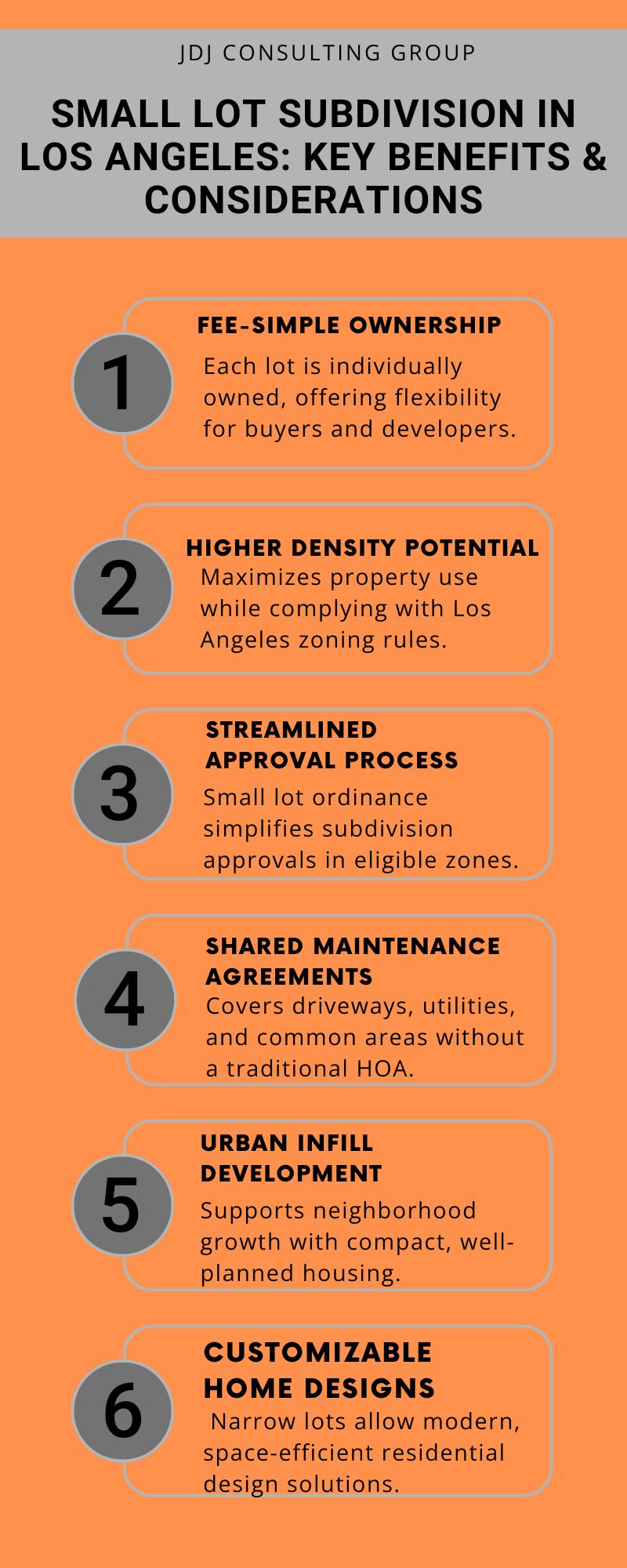
Explore the advantages of small lot subdivision in Los Angeles and how it maximizes property potential while supporting urban infill development.
FAQs: Small Lot Subdivision Los Angeles
What is a small lot subdivision in Los Angeles?
A small lot subdivision allows dividing a single property into multiple very small legal lots, each with fee-simple ownership. These lots usually hold one home each and are governed by the Los Angeles Small Lot Subdivision Ordinance.
Key points include:
Each lot is owned individually
No condominium structure is required
Shared areas are managed through maintenance agreements
How is a small lot subdivision different from an SB 9 lot split?
Small lot subdivisions and SB 9 lot splits serve different zoning situations.
Small lot subdivisions apply mostly to multi-family or mixed-use zones
SB 9 lot splits apply to single-family zones only
Small lot projects often allow more units. SB 9 has stricter limits and owner-occupancy rules. Choosing the right path depends on zoning and project goals.
What zoning is required for a small lot subdivision in Los Angeles?
Most small lot subdivisions are allowed in:
RD zones
R3, R4, and R5 zones
Certain commercial zones with residential use
Single-family zones usually do not qualify. Zoning overlays, hillside areas, or historic districts may add restrictions. Early zoning review is recommended.
What is the minimum lot size for a small lot subdivision?
Small lot subdivisions allow reduced lot sizes compared to standard subdivisions.
Typical standards include:
Minimum lot area: ~600 sq ft
Minimum lot width: ~18 ft
Exact requirements vary by zone. Even if size requirements are met, lots must support proper access, parking, and utilities.
Do small lot subdivisions require a parcel map or tract map?
Yes. Most small lot subdivisions require a recorded map.
2–4 lots: Parcel Map
5+ lots: Tract Map
Maps show lot boundaries, easements, access, and utilities.
How long does the small lot subdivision process take in Los Angeles?
Timelines vary by complexity. Typical duration:
Feasibility review: 2–4 weeks
Survey & map preparation: 1–2 months
City review: 3–6 months
Final map recordation: 1–2 months
Delays often arise from revisions, access issues, or missing documents.
How much does a small lot subdivision cost?
Costs depend on site and lot count. Common expenses:
Survey & mapping
Planning & consulting
City filing fees
Legal & recording fees
Hillsides or overlay zones increase costs. Subdivision fees are separate from construction.
Can existing buildings stay on the property during subdivision?
Sometimes. Existing structures may remain if they comply with:
Setback rules
Access & driveway requirements
Fire and safety standards
Structures blocking access or violating zoning may require modifications or removal.
Are homeowners associations required for small lot subdivisions?
No. Instead of an HOA, projects use a maintenance agreement covering:
Shared driveways
Utilities
Common access areas
Owners are responsible for their share of upkeep.
How is parking handled in small lot subdivisions?
Most small lot homes require parking:
Typically 2 spaces per dwelling
Garage or covered parking preferred
Tandem spaces often allowed
Reductions may apply near transit. Layout must comply with fire access rules.
Can small lot subdivisions be built on hillside properties?
Yes, but hillside sites require extra review. Common challenges:
Grading limits
Slope stability
Fire access
Drainage management
These projects take longer and cost more but are feasible.
What design guidelines apply to small lot subdivisions?
Los Angeles Small Lot Design Guidelines focus on:
Street frontage & pedestrian access
Building placement & height
Privacy between homes
Projects ignoring these guidelines may face delays or redesigns.
Do small lot subdivisions increase property value?
They often do, especially in high-demand areas:
Higher density on the same land
Fee-simple ownership appeal
Strong resale demand
Can utilities be shared in a small lot subdivision?
Yes. Shared utilities are managed via recorded easements:
Water & sewer
Electricity & gas
Stormwater management
Easements remain for future owners.
What departments review small lot subdivision applications?
Reviews usually involve multiple city departments:
City Planning
Fire Department
Engineering
Building & Safety
Sanitation
Coordination among these departments ensures compliance.
Can small lot subdivisions be used for rental housing?
Yes. Homes may be rented or sold. Owner occupancy is not always required. Rental use must comply with zoning, building, and safety codes.
What are common reasons small lot projects get delayed?
Frequent causes of delay:
Incomplete maps
Driveway or access conflicts
Parking layout issues
Design guideline noncompliance
Utility coordination problems
Planning ahead with professionals reduces risk.
Is environmental review necessary for small lot subdivisions?
Some projects require environmental review under California law. Triggers include:
Sensitive locations
Large-scale development
Historic or protected resources
Many small lot projects qualify for exemptions, reviewed case by case.
Can a small lot subdivision be combined with new construction permits?
Yes, but approvals are sequential:
Recording subdivision map first
Building permits follow
Some preliminary planning may overlap, but construction cannot start before legal lots exist.
Who should I work with for a small lot subdivision project?
A typical team includes:
Land use & planning consultants
Licensed surveyors
Architects & engineers
Experienced professionals ensure compliance with Los Angeles rules and smooth approvals.