
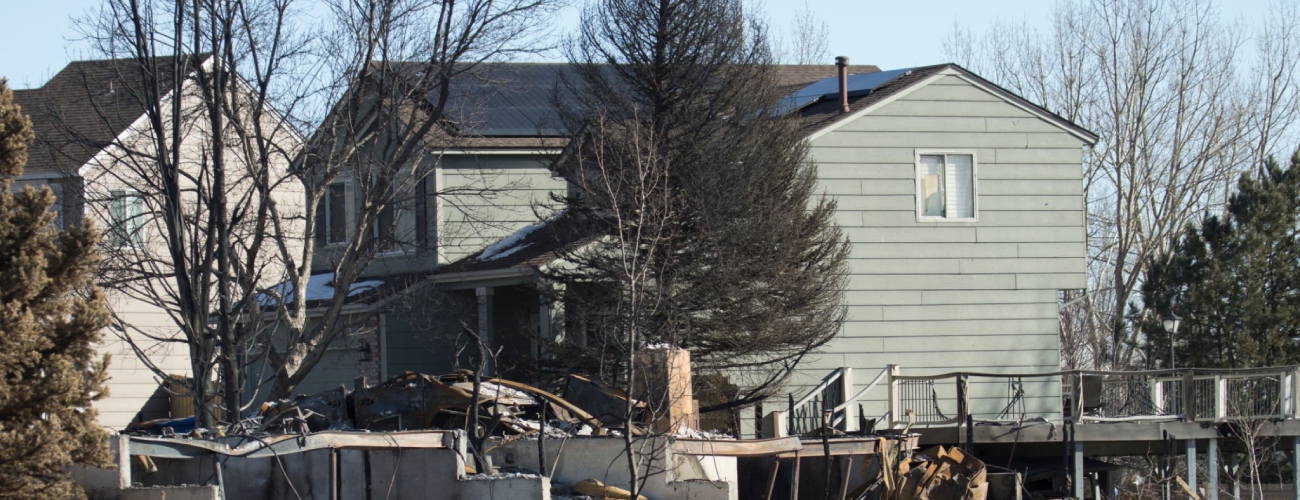
A house burns down. Normally, the next step is simple: rebuild it. But in many U.S. cities today, that process is not guaranteed anymore.
In Lakewood, Colorado, a burned residential property sat vacant for years. When the owner finally tried to rebuild, the city told him something unexpected: the zoning rules had changed, and the land could no longer be treated like a simple single-family property. Instead, it required higher-density development.
This is not just a local issue. It reflects a growing trend across the U.S. where zoning laws are evolving faster than most property owners realize. And that gap between expectation and regulation is creating real conflict.
Table of Contents
What Happened in the Lakewood Zoning Case
The situation started with a damaged home that became unlivable after a fire. The property remained vacant for years, which is where things shifted.
When the owner attempted to renovate or rebuild, he discovered:
The zoning classification had changed years earlier
The land was now part of a mixed-use or transit-oriented zone
Minimum density rules applied to the property
Simple single-family rebuilding was no longer allowed
Instead of restoring the original home, the city required a higher-density development approach, potentially involving multiple housing units.
Key outcome: A burned single-family home was no longer treated as a single-family rebuild project. That is the core issue.
Understanding Zoning Laws in Simple Terms
Zoning laws decide how land can be used. They control whether a property is:
Residential (single-family homes, apartments)
Commercial (shops, offices)
Mixed-use (housing + businesses)
Industrial (factories, storage, etc.)
Cities use zoning to manage growth, traffic, housing supply, and infrastructure. But zoning is not static. It changes over time. That is where problems begin.
Why Zoning Rules Are Changing Across the U.S.
Cities across the country are updating zoning laws for several reasons.
1. Housing shortages
Many urban areas do not have enough housing. Prices are rising, and demand is high. Cities are responding by increasing density allowances.
2. Urban growth pressure
As populations grow, suburban expansion becomes expensive and inefficient.
3. Transit-oriented development
Cities want more housing near train stations and bus routes to reduce car dependency.
4. Infrastructure costs
Low-density neighborhoods require more roads, utilities, and maintenance per household.
5. Environmental planning
Denser cities reduce land consumption and limit urban sprawl. Because of these pressures, many cities are rewriting zoning maps.
What “Non-Conforming Use” Means (And Why It Matters)
One of the most misunderstood concepts in zoning is non-conforming use. In simple terms, a property becomes non-conforming when it no longer fits current zoning rules but was legal in the past. This is important because it affects rebuilding rights.
Here is the problem:
If a non-conforming property is:
destroyed
left vacant for too long
or significantly altered
It may lose its “grandfathered” protection.
That means:
You may not be allowed to rebuild the same structure
You may need to follow new zoning rules instead
You may be forced into higher-density construction
This is exactly what happens in many redevelopment disputes.
Why Vacant or Burned Properties Are Treated Differently
Cities often see vacant land differently from occupied properties.
A vacant lot is considered:
Underutilized land
A redevelopment opportunity
A candidate for higher-density housing
So when a property sits empty for years after damage, cities may:
Reclassify zoning requirements
Apply updated density rules
Restrict simple rebuilding permits
From a planning perspective, this is efficiency. From a property owner’s perspective, it feels like a rule change after the fact.
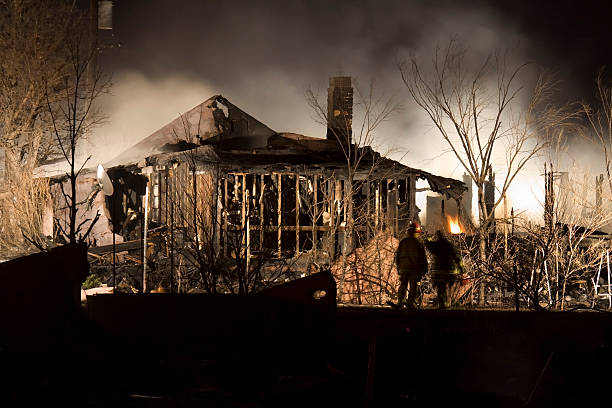
The Core Conflict: Owners vs City Planning Goals
The Lakewood case highlights a growing national conflict.
Property owners expect:
Stability in zoning rules
Right to rebuild what was lost
Predictable land use regulations
Cities are aiming for:
More housing supply
Better land use efficiency
Reduced urban sprawl
Transit-oriented development
Both sides have valid arguments, but the problem is timing and communication.
Why This Issue Is Becoming More Common
This is not an isolated situation. Similar cases are appearing in many fast-growing cities.
Common triggers include:
Fire-damaged properties
Long-vacant homes
Redevelopment near transit zones
Rezoning for density increases
Aging neighborhoods being upgraded
In many cases, property owners only discover zoning changes when they try to rebuild or renovate. That delay creates frustration.
How Zoning Affects Property Value and Investment
Zoning is not just a planning tool. It directly affects money.
When zoning changes:
Land value can increase or decrease
Development potential shifts
Rebuilding costs can rise
Investment plans may no longer work
For real estate investors, this is a major risk factor. A property that looks like a simple residential asset may actually sit inside a future redevelopment zone.
Why Many Property Owners Are Caught Off Guard
Most people assume:
A house can always be rebuilt the same way
Residential zoning stays stable
Permits are straightforward after damage
But in reality:
Zoning maps are updated regularly
Rules differ by district and overlay zones
Vacancy can trigger regulatory changes
“Like-for-like” rebuilding is not always allowed
This gap in understanding is where most disputes begin.
The Bigger Trend: Cities Moving Toward Higher Density
Across the U.S., cities are slowly moving away from strict single-family zoning.
Instead, they are allowing:
Duplexes and triplexes in residential areas
Mixed-use housing near transit lines
Higher density redevelopment projects
Reduced restrictions on land use diversity
This shift is designed to solve housing shortages. But it also changes long-held expectations about neighborhoods.
The Real Problem Is Not Zoning — It Is Clarity
Zoning reform itself is not the issue. The real problem is how unclear the system is for everyday property owners.
Many buyers do not realize:
zoning can change after purchase
vacant properties may lose protections
redevelopment rules can override old assumptions
Without clear communication, zoning feels unpredictable.
What Property Owners Should Learn From This Case
If there is one takeaway, it is this: Never assume zoning is permanent.
Before buying or developing property, always check:
Current zoning classification
Future land use plans
Density requirements
Transit or redevelopment overlays
Non-conforming use restrictions
A small oversight in zoning can turn into a major financial and legal issue later.
Conclusion: A System in Transition
The Lakewood zoning case is not just about one burned house. It is about how American cities are changing.
Zoning laws are evolving to meet modern housing and infrastructure needs. But the transition is creating confusion for property owners who expect older rules to still apply.
The result is a growing gap between planning policy and public understanding. Until that gap is addressed, cases like this will continue to appear across the country. And for property owners, developers, and investors, zoning awareness is no longer optional — it is essential.
Need Help With Zoning or Permits?
Zoning issues can get confusing fast — especially when they affect what you can build or rebuild. If you’re stuck or unsure about your property, we can help.
At JDJ Consulting, we guide property owners, investors, and developers through zoning rules, permits, and approvals so you don’t run into costly delays.
Let’s make it simple:
Fill out a quick pre-consultation form or book a call with our team.
U.S. Zoning Problems FAQs
What are U.S. zoning problems in simple terms?
U.S. zoning problems happen when land-use rules limit how property can be used or rebuilt. These rules decide if a property is single-family, multi-family, or mixed-use. The problem starts when rules change over time, but owners expect old rules to still apply. This can cause confusion, permit delays, or rebuilding restrictions. Many people only realize this when they try to renovate or rebuild a property.
Why can zoning rules stop you from rebuilding a home?
Zoning rules can stop rebuilding if the land classification changes after damage or long vacancy. Cities may update zoning to allow higher density or different housing types. If the property loses its “grandfathered” status, the owner cannot rebuild the original structure. Instead, they must follow new zoning rules. This may include building multiple units instead of a single home.
What is non-conforming use in zoning law?
Non-conforming use means a property was legal under old rules but no longer fits new zoning laws. These properties are often allowed to continue as they are. This is called being “grandfathered in.” However, if the building is destroyed or left vacant for too long, that protection can be lost. Then the owner must follow current zoning rules, even if they are very different.
Why are cities increasing zoning density?
Cities increase zoning density to solve housing shortages and rising prices. More housing units can be built on the same land. This helps meet growing demand in cities. It also reduces urban sprawl and supports public transit use. However, it can change what property owners are allowed to build. Single-family homes may no longer be allowed in some areas.
Can zoning rules change after you buy a property?
Yes, zoning rules can change even after you buy a property. Cities update zoning to match long-term planning goals. These changes apply to future use of land, not past ownership. This means your rebuilding or development rights can change. It is important to check zoning plans before buying property. This helps avoid surprises later.
What happens when a home is burned or vacant for years?
If a home is burned or left vacant, zoning rules may change how it is treated. Cities may reclassify the land during that time. This can lead to stricter building rules or new density requirements. In some cases, the owner cannot rebuild the same home. Instead, they must follow updated zoning laws, which may require different types of buildings.
Why do zoning disputes feel unfair to owners?
Zoning disputes feel unfair because owners expect rules to stay the same. But cities update zoning for growth and planning needs. When rules change, owners may lose rebuilding rights or face new limits. This creates frustration and confusion. The main issue is often lack of awareness, not intent. Many owners only learn about changes when they apply for permits.
How does zoning affect property value?
Zoning has a direct impact on property value. It controls what can be built on the land. Flexible zoning can increase value by allowing more development. Strict zoning can limit use and reduce potential. However, sudden zoning changes can also create risk. Investors may lose planned opportunities if rules change. That is why zoning review is important before investing.
What should you check before buying property?
Before buying property, check zoning classification first. Look at allowed land use and density rules. Also check future land-use plans in the area. Some properties have special overlays or redevelopment rules. These can affect rebuilding or renovation rights. It is also important to check if the property is non-conforming. This helps you avoid legal or permit issues later.
Who can help with zoning and permit issues?
Zoning and permit issues are handled by city planning offices and building departments. However, the rules can be complex and hard to understand. Professional consultants can help explain zoning limits and permit requirements. They can also guide you through approvals and compliance steps. Getting expert help early can save time and reduce costly mistakes during development or renovation.