When Sarah and Michael first decided to build their dream home in Florida, they thought it would be simple. They had a vision: a cozy yet modern house near the coast, with an open kitchen for family dinners, bright bedrooms for their kids, and a backyard perfect for weekend barbecues. Excited, they bought a plot of land and started dreaming big.
Table of Contents
ToggleBut as soon as they began talking to builders, reality hit. “Wait, what’s included in the cost?” Sarah asked. “And why does one estimate differ by $100,000 from another?” Michael added, scrolling through listings for existing homes. The numbers were overwhelming, and suddenly their dream felt complicated. Between land prices, site preparation, labor costs, permits, and hurricane codes, it felt like every detail had a hidden cost attached.
This is a situation many Florida homeowners face. The dream of building a custom home is thrilling—but without clear guidance, it can quickly turn stressful. That’s where the right knowledge makes all the difference. By understanding average costs, what’s included, and the factors that influence pricing, homeowners like Sarah and Michael can make informed decisions and avoid costly surprises.
In this guide, we’ll walk you through the full picture of Florida home construction in 2026. You’ll learn what to expect for costs per square foot, regional differences, financing options, and strategies to manage your budget wisely. Think of this as a roadmap for your own journey—so when it’s your turn to stand on that empty lot, you’re ready to build the home you’ve always imagined.
Because like Sarah and Michael discovered, a dream home is possible—but only if you know what you’re stepping into.
Average Florida Home Construction Costs
Source: JDJ Consulting Research, 2026 Estimates
How Much Does it Cost to Build a House in Florida (2026 Numbers)
Construction costs in Florida vary widely depending on location, materials, labor, and design. On average, homeowners spend anywhere from $150 to $300+ per square foot for new construction. High-end custom homes can cost significantly more, especially in coastal or luxury areas.
Costs are generally broken down into three categories:
| Home Size (sq ft) | Low Estimate | High Estimate |
|---|---|---|
| 1,500 | $225,000 | $525,000 |
| 2,000 | $300,000 | $700,000 |
| 3,000 | $450,000 | $1,050,000+ |
It’s important to remember these numbers are base construction costs. They do not include land, permits, or landscaping. These numbers give a starting point for budgeting your build.
Average Cost per Square Foot
The cost per square foot is influenced by many variables. Here’s a quick breakdown:
Mid-range construction: $150–$200 per square foot
High-end or custom builds: $250–$400 per square foot
Luxury homes or complex designs: $400+ per square foot
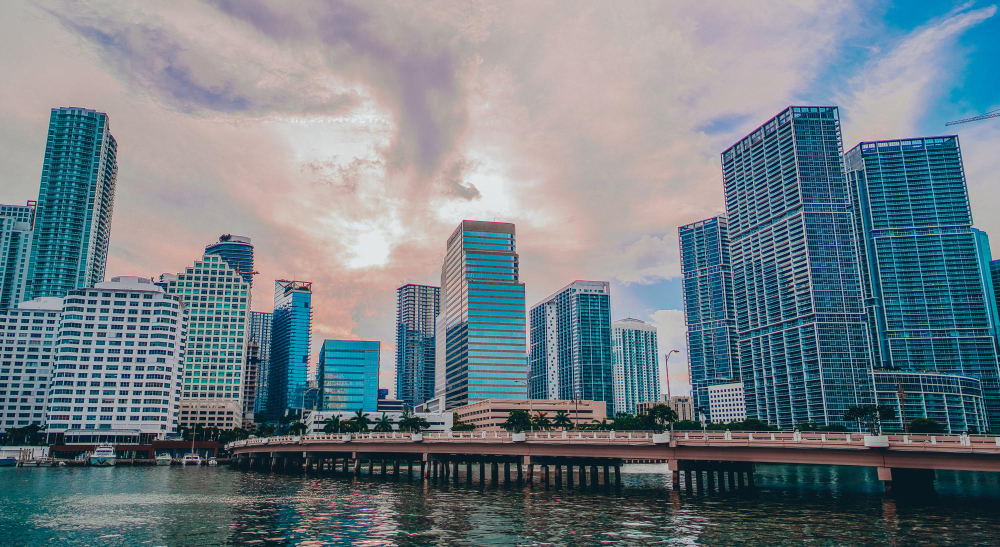
Location plays a key role. For example, building in South Florida or coastal areas is generally more expensive than central or northern regions. Labor and material costs also fluctuate, so it’s wise to get local quotes early in the planning process.
Typical Total Cost Examples
Here is an example table to illustrate how home size affects total construction cost:
| Home Size (sq ft) | Estimated Total Cost | Notes |
|---|---|---|
| 1,500 | $225,000–$525,000 | Standard finishes, typical lot |
| 2,000 | $300,000–$700,000 | Mid-range materials, modest upgrades |
| 3,000 | $450,000–$1,050,000+ | Custom design, luxury materials |
These numbers show why it’s important to plan your budget carefully. Even small design changes can have a big impact on total cost.
What’s Included (and Not Included) in Construction Cost
When you look at a per-square-foot estimate, it’s important to know what’s included. Typically, base costs cover:
Framing, roofing, and siding
HVAC, plumbing, and electrical systems
Interior walls, doors, and standard fixtures
Windows and standard flooring
However, several items are usually not included:
Land purchase
Site preparation (grading, clearing, utility hookups)
Permits and impact fees
Landscaping and exterior improvements
High-end custom finishes
Understanding these inclusions and exclusions can prevent surprises. Many homeowners focus on per-square-foot cost, but additional expenses can easily add 20–30% more to the total budget.
Smart Ways to Save on Construction
- Simplify your home design to reduce labor and materials.
- Plan permits and inspections early to avoid delays.
- Compare multiple builder bids to find the best value.
- Choose standard finishes where possible for cost efficiency.
- Consider prefab or modular construction for faster builds.
Estimate Your Florida Home Build
Primary Cost Drivers (What Makes Prices Go Up or Down)
Several factors can change how much it costs to build in Florida. Knowing these helps you plan better.
Land & Site Conditions
The cost of land varies widely across the state. Coastal areas, like Miami and Fort Lauderdale, are much more expensive than inland regions. Site preparation can also add to costs:
Clearing trees and vegetation
Grading uneven terrain
Soil stabilization or special foundations
Even small site challenges can increase the budget by thousands of dollars.
Labor & Materials
Labor and material prices can fluctuate depending on market conditions. Key points:
Labor shortages can increase wages
High demand for construction materials may raise prices
Choosing custom or luxury materials adds to the cost
Hurricane Codes & Building Regulations
Florida has strict building codes for hurricane resistance. This impacts cost:
Impact-rated windows and doors
Elevated foundations in flood zones
Reinforced roofing and structural components
Coastal areas often require stricter standards, making construction more expensive.
Design Complexity
Complex home designs cost more. Examples include:
Multi-story homes with intricate rooflines
Unique architectural features
Large open-concept spaces with custom finishes
Simpler designs are usually more cost-effective and easier to manage.
Regional Cost Differences Within Florida
Construction costs are not uniform across the state. Where you build can make a big difference in your budget. Coastal areas and major cities tend to be more expensive, while central and northern Florida are generally more affordable.
Here’s a snapshot of typical construction costs per square foot in various regions:
| Region | Average Cost per Sq Ft | Notes |
|---|---|---|
| Miami / South Florida | $200–$350 | Coastal premiums, hurricane codes |
| Tampa / Central Florida | $150–$275 | Moderate cost, high population areas |
| Orlando / Central FL | $160–$280 | Popular for families, steady demand |
| Jacksonville / North FL | $140–$250 | Lower labor costs, inland location |
| Rural Areas | $130–$220 | More affordable land, fewer regulations |
Even within the same city, costs can vary based on lot size, soil conditions, and local building codes. Planning early and consulting with local builders helps you understand realistic budgets.
Timeframe: How Long Does It Take to Build a Home in Florida?
Knowing how long construction will take helps with planning and finances. The timeline can vary based on home size, complexity, and location.
A typical build in Florida follows this schedule:
Typical Construction Schedule
Design & Permitting: 1–3 months
Site Preparation & Foundation: 1–2 months
Framing & Major Systems: 2–4 months
Finishes & Inspections: 2–4 months
Total Estimated Time: 9–12 months for most standard homes.
Common Delays & Tips to Avoid Them
Even with a solid plan, delays happen. Common causes include:
Weather interruptions, especially during hurricane season
Labor shortages or contractor scheduling conflicts
Material supply delays
Permit approval or inspection backlogs
Tip: Start permitting early and communicate frequently with your builder to minimize surprises.
Building vs Buying: Cost Comparison in Florida
Many homeowners wonder if it’s better to build a new home or buy an existing one. Each option has pros and cons, and cost is a key factor.
| Region | Average Cost per Sq Ft | Notes |
|---|---|---|
| Miami / South Florida | $200–$350 | Coastal premiums, hurricane codes |
| Tampa / Central Florida | $150–$275 | Moderate cost, high population |
| Jacksonville / North Florida | $140–$250 | Lower labor costs, inland location |
Top Tips for Florida Home Builders
- Start budgeting early and include contingency funds.
- Understand regional cost differences across Florida.
- Choose simpler designs to save on labor and materials.
- Plan permits and inspections ahead to avoid delays.
- Consult professionals for accurate cost projections.
Building Your Own Home
Pros:
Full customization of design and layout
Modern energy-efficient features
New materials and systems with warranty
Cons:
Longer timeline, often close to a year
Higher upfront costs for land, permits, and site prep
Potential for unexpected expenses
Buying an Existing Home
Pros:
Move-in ready, less waiting
Often lower upfront cost compared to building
Established neighborhood and amenities
Cons:
Renovations or upgrades may be required
Limited customization
Older homes may have hidden maintenance costs
Here’s a simple comparison table to give perspective:
| Option | Typical Cost Range | Timeline | Notes |
|---|---|---|---|
| Build New Home | $150–$400 per sq ft | 9–12 months | Customizable, may include luxury upgrades |
| Buy Existing Home | $200,000–$700,000+ | Immediate | May need renovations, less control over layout |
Deciding between building and buying depends on your priorities, budget, and timeline. For some, creating a home from scratch is worth the extra cost. For others, an existing home offers convenience and speed.
Financing Your Florida Home Construction
Paying for a new home build can feel complex, but understanding your options makes it manageable. There are several ways to finance construction, depending on your situation.
Construction Loans
Construction loans are designed specifically for building a home. They often come in two types:
Construction-to-Permanent Loans: Funds cover the construction phase and then convert to a standard mortgage once the home is complete.
Construction-Only Loans: Provide funding for the build only. After completion, you must refinance into a traditional mortgage.
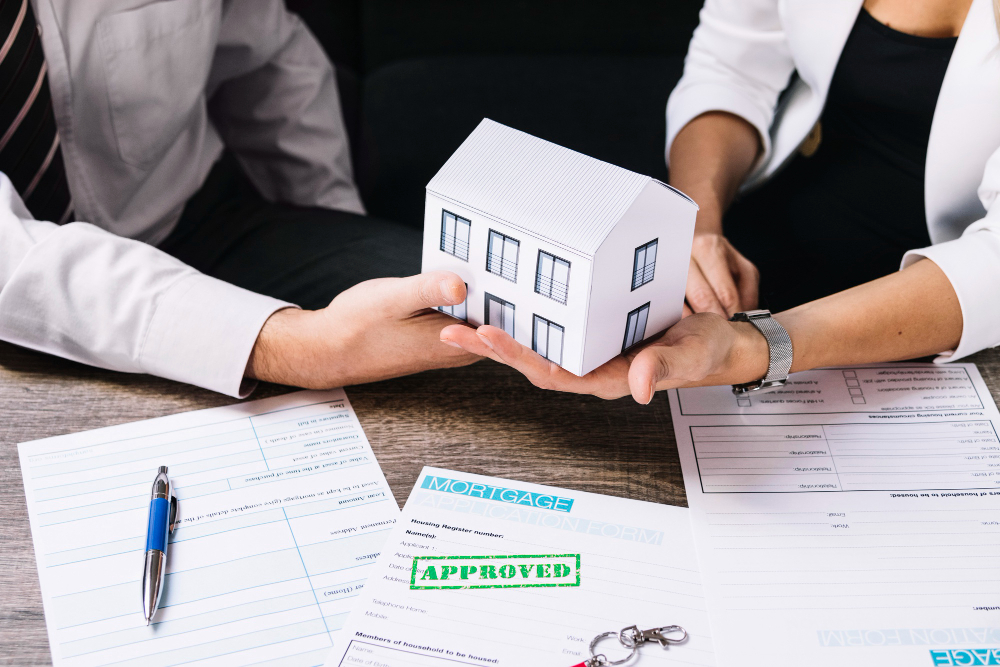
These loans usually require a larger down payment and good credit. Lenders will also review detailed plans and budgets before approval.
Other Financing Options
Aside from construction loans, homeowners can consider:
Home Equity Loans or Lines of Credit: If you already own property, you can tap into equity to fund construction.
Savings or Cash: Using personal funds avoids interest but may limit your flexibility.
It’s important to compare rates, terms, and requirements. Working with a financial advisor or local lender can help ensure you choose the best option for your project.
Smart Ways to Save on Construction Costs
Building a home doesn’t always have to break the bank. Here are some practical strategies to control costs while still achieving quality results:
Simplify the Design: Straightforward layouts, fewer angles, and simple rooflines reduce labor and material costs.
Plan Early for Permits and Inspections: Avoid delays and extra fees by submitting documents and applications on time.
Compare Builder Bids: Getting multiple quotes helps you find competitive pricing.
Choose Standard Materials Where Possible: Upgrading finishes selectively keeps the budget balanced.
Consider Prefab or Modular Options: These can save both time and money without sacrificing quality.
Bulk Purchase Materials: Buying in larger quantities may give discounts on key items like lumber or concrete.
By prioritizing your needs and planning carefully, you can manage costs effectively without compromising on the home you want.
Florida Home Construction: Step-by-Step
- Land Purchase & Site Selection: Choose location based on budget, flood zones, and community regulations.
- Design & Permitting: Create plans, submit for approvals, and secure building permits.
- Site Preparation: Clear land, grade soil, and set foundation.
- Framing & Systems: Build structure, install plumbing, electrical, and HVAC.
- Finishes & Inspections: Add flooring, cabinetry, paint, fixtures, and pass final inspections.
Conclusion — Final Thoughts & Next Steps
Building a home in Florida is an exciting journey, but it comes with many decisions. From understanding average costs and what’s included, to considering regional differences, timelines, and financing options, planning is key.
By breaking down costs per square foot, exploring land and labor factors, and weighing the choice between building or buying, you can approach your project with confidence. Remember, even small design decisions or unexpected fees can significantly impact your budget, so careful planning pays off.
Using smart strategies—like simplifying your design, comparing builder quotes, and planning for permits early—can help you save money without sacrificing quality. And staying informed about regional price differences ensures your expectations match reality.
Take the Next Step with JDJ Consulting
If you’re ready to start planning your Florida home, JDJ Consulting can help. Our team specializes in providing accurate cost estimates, helping you understand all aspects of construction, and guiding you through every step of the process.
Get personalized advice based on your location and project size.
Receive detailed estimates that include land, materials, labor, and permits.
Avoid surprises and manage your budget effectively from start to finish.
Contact us today to discuss your home construction plans and get started on making your dream home a reality.
- Phone number (818) 793-5058
- Email: sales@jdj-consulting.com
- Contact page: https://jdj-consulting.com/contact-us/
- Services: https://jdj-consulting.com/services/
FAQs Regarding Home Construction Cost Florida
What is the average cost to build a house in Florida in 2026?
The typical cost to build a home in Florida ranges from $150 to $350+ per square foot. This depends on region, materials, labor, and design complexity. A mid-size home (about 2,000 sq ft) usually costs roughly $300,000 to $700,000, excluding land and permits.
How much does it cost per square foot to build in Florida?
Costs per square foot vary widely:
Basic build: ~$150–$200
Mid-range: ~$200–$275
Luxury or coastal build: ~$275–$350+
These figures include labor and materials but not land costs.
Does the average cost include the price of land?
No. Typical per-square-foot construction estimates do not include land purchase, site prep, or utility hookups. Land prices vary widely depending on county and proximity to urban or coastal areas.
How do land costs affect home construction in Florida?
Land costs can add significantly to your final budget. Coastal or urban lots may cost hundreds of thousands, while rural land can be more affordable. Always factor land price separately from construction quotes.
What major costs are typically not included in construction estimates?
Common exclusions are:
Land purchase
Permits and impact fees
Utility connections (water, sewer, electric)
Landscaping and fencing
Driveways and exterior upgrades
These can add 10–20% or more to your total budget.
How long does it take to build a house in Florida?
Build time can range from 9 to 12 months in most cases. This includes permitting, site prep, framing, systems, and finish work. Delays are common due to weather, labor availability, or permit processing.
What are construction loans, and how do they work for Florida builds?
Construction loans fund the building process:
Construction-to-permanent: converts to a mortgage when complete
Construction-only: funds build, then requires refinancing
Lenders typically require a detailed plan and down payment to approve a loan.
Are there cheaper ways to build in Florida?
Yes. Ways to reduce costs include:
Simplifying the home design
Choosing modular or prefab construction
Managing some site work yourself
Selecting standard finishes over luxury options
Lower-cost builds can sometimes start around $100–$150 per sq ft.
How do hurricane building codes impact cost?
Florida requires stronger materials and construction methods to meet storm safety standards. This often adds to:
Window and door costs
Roof reinforcement
Stronger framing
These upgrades increase both material and labor costs.
Do costs differ by region within Florida?
Yes. Coastal and South Florida markets often have higher costs due to land value and demand. Inland and northern regions tend to be more affordable on per-square-foot pricing.
How much do builder or contractor fees add to cost?
General contractors typically charge 10–20% of the total construction budget. This covers project coordination, scheduling, labor management, and quality control.
Can homeowners act as their own builder in Florida?
Yes. Owner-builder options exist, but require more planning and coordination. You still need permits, inspections, and must meet local code requirements. Some counties require proof of construction knowledge or supervision.
What permits are required to build in Florida?
Common permits include:
Building permit
Electrical, plumbing, mechanical permits
Impact or development fees
Inspections at key stages
Permit fees vary by county and home size.
Is it cheaper to build or buy a home in Florida?
In many cases, buying an existing home is cheaper upfront than building new. However, building allows full customization and often better long-term efficiency. Your choice depends on budget, timeline, and preferences.
Why do construction costs fluctuate in Florida?
Costs vary due to:
Labor shortages
Material price changes
Local demand
Supply chain issues
Keeping updated quotes helps manage budget risk.
What does site preparation include?
Site prep may involve:
Clearing trees and brush
Grading and soil work
Utility hookup planning
Difficult terrain or swampy ground can raise these costs.
How does home design affect total cost?
Complex designs with custom features, large open spaces, or unique architecture increase labor and material needs. Simple rectangular plans are more cost-efficient.
What additional costs should I budget for?
Plan to budget for:
Contingency (often 10–20%)
Landscaping
Driveway and fencing
Appliances and cabinetry
Not budgeting a buffer leads to surprise costs.
How do energy-efficient upgrades affect cost?
Energy-efficient features like solar panels, upgraded insulation, and smart HVAC systems can add upfront cost. However, they often lower long-term utility bills and improve resale value.
When should I start budgeting for land and fees?
Begin budgeting early. Land prices and fees vary widely across Florida. Coastal land is typically more expensive, and impact fees can add several thousand dollars.
Resources and References
HomeGuide – Cost to Build a House in Florida: https://homeguide.com/costs/cost-to-build-a-house-in-florida
Tri-Town Construction – Florida Home Construction Costs: https://www.tri-townconstruction.com/blog/cost-to-build-house-florida
ReAlpha – How Much Does it Cost to Build a House in Florida: https://www.realpha.com/blog/how-much-does-it-cost-to-build-a-house-in-florida
SeanoteFL – Building a House in Florida (2025/2026 Updates): https://seanotefl.com/building-house-cost-florida-2025
Real Estate Skills Blog – Florida Construction Costs Overview: https://www.realestateskills.com/blog/how-much-to-build-house-florida
Disclaimer
The information provided in this article is intended for educational purposes only. Construction costs can vary widely depending on location, materials, labor, design choices, and market fluctuations. All figures are estimates and should not be considered as formal quotes or financial advice. For accurate and up-to-date cost projections, it is recommended to consult with licensed contractors, builders, or consultants in your area.