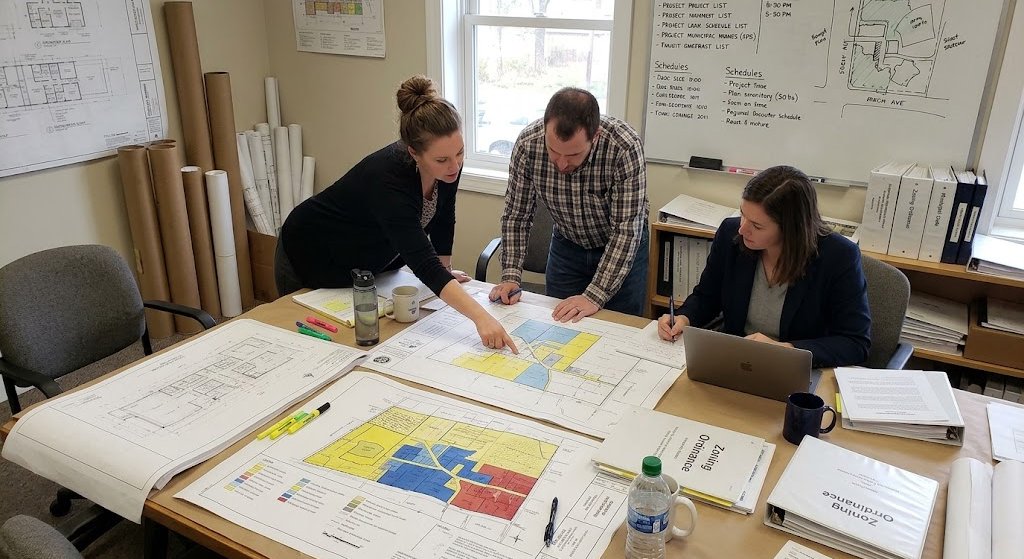

When you start any construction project, whether it’s a small home renovation or a larger commercial build, one of the first things you need to consider is getting the right permits. Construction permits are legal approvals that allow you to start building. They ensure your project follows local building codes, zoning laws, and safety standards.
Table of Contents
Skipping this step can lead to fines, work stoppages, or even legal action. On the other hand, handling permits correctly from the start keeps your project on track and protects your investment.
In this guide, we will explain everything you need to know about construction permits. You’ll learn about different types of permits, how to apply for them, common challenges, and tips for managing the process efficiently.
Why Construction Permits Matter
Construction permits are not just paperwork. They serve multiple purposes that benefit both property owners and the community.
Legal Compliance
Permits ensure that your project follows the law. Every city and county has rules about building, electrical work, plumbing, and other systems. Working without a permit can result in fines, delays, or even being forced to remove work that doesn’t comply.
Safety and Code Standards
Permits ensure your construction meets safety standards. Inspectors check that:
Structural elements are safe.
Electrical systems are properly installed.
Plumbing meets health and safety requirements.
These checks reduce the risk of accidents and protect everyone on the site.
Project Transparency & Protection
Permits also provide documentation that proves your project is legal. This can help if you sell your property or deal with insurance claims. It also reassures neighbors and community members that the work is safe and approved.
Here’s a quick summary table of why permits matter:
| Reason | Benefit |
|---|---|
| Legal Compliance | Avoid fines, work stoppages, and legal issues |
| Safety Standards | Ensure safe construction, reduce accidents |
| Documentation & Proof | Protect property value, insurance coverage, and community trust |
Overview of Common Types of Construction Permits
Not all permits are the same. Depending on your project, you may need one or several types. Understanding the differences helps you prepare your application and avoid delays.
Construction Permit Types
- 🏗️ Building Permits: Structural construction and major renovations
- 📐 Zoning Permits: Land-use compliance, setbacks, and height limits
- ⚡ Electrical/Plumbing Permits: Safe installation of systems
- 🌿 Environmental Permits: Stormwater and environmental impact
- 🔥 Fire/Special Permits: Safety compliance for fire and hazardous systems
Building Permits
Building permits are required for major construction or structural changes. They usually include plans, drawings, and specifications for the building’s design. Inspectors review these to ensure compliance with local building codes.
Zoning and Land Use Permits
Zoning permits confirm that your project follows local land-use rules. These may include:
Maximum building height
Property setbacks from roads or neighboring properties
Land-use restrictions
Zoning checks help prevent conflicts with neighbors or city regulations.
Electrical, Plumbing, and Mechanical Permits
These permits cover the installation or modification of:
Electrical wiring and systems
Plumbing and water systems
HVAC and mechanical systems
They are essential for safety and legal compliance.
Environmental and Stormwater Permits
If your project affects land grading, drainage, or local waterways, environmental permits may be required. These ensure that construction does not harm the environment or cause flooding.
Fire Safety and Special Permits
Projects with fire suppression systems, hazardous materials, or unusual construction features may need additional permits from fire authorities or other agencies.
Here’s a table summarizing common permit types and their purposes:
| Permit Type | Purpose |
|---|---|
| Building Permit | Major construction and structural changes |
| Zoning/Land Use Permit | Ensure compliance with local land-use rules |
| Electrical/Plumbing/Mechanical | Safety and compliance of internal systems |
| Environmental/Stormwater | Protect environment and manage water runoff |
| Fire Safety/Special | Ensure fire and safety compliance for special projects |
How to Prepare Before Applying for a Permit
Before submitting a permit application, preparation is key. Taking time to gather documents and understand local rules can save weeks of delays.
Know Your Local Rules & Regulations
Every city or county has different permitting requirements. Contact your local building department to check:
Which permits are required for your project
Submission deadlines and schedules
Fees and inspection requirements
Doing this early avoids surprises and ensures your application is complete.
Gather Required Documentation
Most permit applications require detailed documentation. Preparing these ahead of time makes the process smoother. Typical documents include:
Architectural and structural plans
Site survey and civil drawings
Engineering calculations
Environmental assessments (if applicable)
Proof of ownership or authorization
Completed permit application forms
Fee payment receipts
Here’s a simple checklist table to track your preparation:
| Document Type | Notes |
|---|---|
| Architectural & Structural Plans | Must comply with local building codes |
| Site Survey / Civil Drawings | Accurate property and site layout required |
| Engineering Calculations | Structural integrity, load calculations |
| Environmental Assessments | Needed for grading, drainage, or land disturbances |
| Ownership/Authorization | Proof you are allowed to build on the property |
| Completed Forms & Fees | Fill all applications accurately and pay necessary fees |
Create a Project Timeline
Building a timeline before applying is crucial. Include:
Permit submission date
Plan review periods
Inspection schedules
Estimated construction start and end
Adding extra buffer time for permit approval helps avoid project delays.
Step-by-Step Permit Application Process
Applying for construction permits may feel overwhelming, but breaking it into steps makes it manageable. Here’s how most projects move through the process.

Step 1: Preliminary Research & Planning
Before filling out forms, research:
Local building codes
Zoning regulations
Environmental or stormwater requirements
This early research ensures your plans are compliant and reduces review delays.
Step 2: Complete Documentation & Plans
Compile all necessary documents carefully. Double-check that:
Plans match local building codes
Engineering calculations are accurate
All forms are signed and dated
Errors at this stage can lead to resubmissions.
Step 3: Submit Your Application
Applications can often be submitted online or in person at your local building department. Include:
All required plans and documents
Completed forms
Application fees
Be sure to get a receipt or confirmation number for tracking.
Step 4: Plan Review
After submission, your application goes through review by multiple departments, such as:
Building
Fire
Plumbing
Electrical
Inspectors may request clarifications or revisions. Promptly respond to avoid delays.
Construction Permit Application Process
- Step 1: Research Local Codes & Zoning
- Step 2: Prepare Documentation & Plans
- Step 3: Submit Application & Pay Fees
- Step 4: Plan Review by Authorities
- Step 5: Revise & Resubmit if Needed
- Step 6: Permit Approval & Display On-Site
Step 5: Revisions & Resubmissions
If corrections are needed, revise the documents and resubmit. Keeping notes of reviewer comments helps you avoid repeated mistakes.
Step 6: Permit Approval & Fees
Once approved, you’ll receive your official permit. Post the permit visibly on the job site before starting work. Some permits may require additional payment for inspections or fees.
Here’s a table summarizing the process:
| Step | Action | Key Tip |
|---|---|---|
| 1 | Preliminary Research & Planning | Check local codes, zoning, and environmental rules |
| 2 | Complete Documentation & Plans | Ensure all forms, plans, and calculations are accurate |
| 3 | Submit Application | Include all documents and fees; get confirmation |
| 4 | Plan Review | Respond promptly to inspector comments |
| 5 | Revisions & Resubmissions | Correct errors and resubmit efficiently |
| 6 | Permit Approval & Fees | Display permit on-site before starting work |
Managing Inspections and Compliance
Once your permit is approved, your project enters the construction phase. Managing inspections and staying compliant is crucial to avoid delays or fines.
Scheduling Mandatory Inspections
Most construction projects require inspections at key stages, such as:
Foundation – Before pouring concrete
Framing – Check structural components
Rough-in – Electrical, plumbing, and HVAC systems
Final inspection – Ensures the project meets all codes
Scheduling these inspections early helps keep your project on track.
On-Site Permit Display & Logs
Displaying permits on-site is required by law. It also makes inspections smoother. Keep inspection logs and job cards organized to track:
Inspection dates
Inspector comments
Required corrections
Maintaining logs ensures quick reference and avoids confusion later.
Handling Inspection Failures
If an inspection fails, don’t panic. Follow these steps:
Review inspector comments carefully
Correct issues promptly
Schedule a re-inspection
Acting quickly reduces delays and keeps your project moving forward.
Here’s a quick table summarizing inspections:
| Inspection Stage | Purpose | Tips for Success |
|---|---|---|
| Foundation | Check footing and site prep | Ensure soil compaction and layout is correct |
| Framing | Structural integrity | Verify all beams and supports match approved plans |
| Rough-In | Electrical, plumbing, HVAC | Follow codes precisely; double-check installations |
| Final | Compliance and safety | Ensure all corrections from previous inspections are complete |
Common Permit Challenges & How to Avoid Them
Even with careful planning, challenges can arise during the permitting process. Knowing common issues helps you prevent delays.
Incomplete Applications
Missing documents or signatures are the most common cause of delays. Always:
Double-check required documents
Complete every section of the application
Confirm fees are paid
Missing Codes or Local Requirements
Each city or county may have unique rules. Avoid mistakes by:
Reviewing municipal codes
Consulting the local building department
Asking questions before submission
Slow Review Times
Permit reviews can take time, sometimes several weeks. Reduce impact by:
Submitting complete, error-free applications
Building buffer time into your project schedule
Average Construction Permit Approval Times
Staying Organized
Use checklists or digital tools to track:
Submitted documents
Inspection schedules
Required corrections
A well-organized system keeps your project moving smoothly.
Here’s a table highlighting common challenges and solutions:
| Challenge | Solution |
|---|---|
| Incomplete Applications | Use a checklist to ensure all forms and documents are included |
| Missing Codes / Local Rules | Review local codes and consult the building department |
| Slow Review Times | Submit complete applications and allow extra buffer time |
| Disorganized Inspections | Maintain logs, track inspections, and respond quickly |
Tips for Smooth Permit Handling
Even with careful preparation, handling permits efficiently requires some practical strategies. These tips can save time and reduce stress.
Communicate Early & Often
Regular communication with your local building department or inspectors can prevent delays.
Ask questions before submitting your application
Confirm deadlines and required documents
Follow up on plan reviews and inspection schedules
Clear communication reduces errors and keeps your project moving.

Consider Using Permit Experts
A permit expediter or consultant can help:
Prepare and submit applications accurately
Track review progress
Handle questions or clarifications from officials
Using experts is especially helpful for larger or complex projects.
Build a Good Relationship With Officials
A positive relationship with inspectors and building staff can be valuable. It may help with:
Faster responses to questions
Better guidance on code requirements
Smoother inspections
Professionalism, courtesy, and preparedness go a long way.
Here’s a quick summary table of these tips:
| Tip | Benefit |
|---|---|
| Communicate Early & Often | Reduces errors, prevents delays |
| Use Permit Experts | Speeds up application process, avoids common mistakes |
| Build Good Relationships | Helps with inspections and guidance from officials |
When Contractors Should Handle Permits for You
In some cases, hiring a contractor to manage permits is the most practical approach.
Contractor-Led Permitting
Contractors may handle:
Permit applications and submissions
Scheduling inspections
Ensuring compliance with building codes
This approach is common for large commercial projects or complex residential builds.
Owner Responsibilities
Even if a contractor handles permits, owners may still need to:
Provide property ownership proof
Sign permit applications
Supply required project plans
Being proactive ensures there are no delays.
DIY Permitting Tips
For smaller projects, you may choose to handle permits yourself. Keep in mind:
Start preparation early
Follow local regulations closely
Keep detailed records of all submissions and inspections
Here’s a table comparing contractor-led vs owner-managed permitting:
| Approach | Who Manages Permits | Ideal For |
|---|---|---|
| Contractor-Led | Contractor handles applications, inspections | Large or complex projects |
| Owner-Managed / DIY | Owner prepares and submits permits | Small projects, renovations |
Case Studies & Real-World Examples
Seeing how permits are handled in real projects helps put theory into practice. These examples illustrate common challenges and solutions.
Permit Approval Success Rates
Small Residential Project
A homeowner wanted to build a two-story addition. Steps included:
Submitting building and zoning permits
Scheduling foundation, framing, and final inspections
Revising plans once for minor code adjustments
The project was completed on time because all documents were prepared and inspections scheduled in advance.
Commercial Development Challenges
A mid-sized office building required multiple permits: building, electrical, plumbing, and environmental. Challenges included:
Slow plan review due to multiple departments
Changes requested by fire inspection
Coordination between contractors and city officials
The project team avoided delays by maintaining organized logs and scheduling inspections proactively.
Handling Permit Denials
In one case, a small retail project was initially denied due to a zoning issue. The solution included:
Reviewing zoning regulations with city officials
Adjusting building setbacks
Resubmitting corrected plans
This highlights the importance of researching local codes before submitting permits.
Here’s a summary table of these examples:
| Project Type | Challenge | Solution |
|---|---|---|
| Small Residential Addition | Minor code adjustments | Prepared documentation; scheduled inspections |
| Mid-Sized Commercial Office | Multiple reviews & coordination issues | Maintained logs and proactive scheduling |
| Retail Project | Zoning permit denied | Adjusted plans; resubmitted for approval |
Do You Need a Construction Permit?
Answer the questions below to see if your project requires a permit:
Frequently Asked Questions: How to Handle Construction Site Permits
Here are answers to the most common questions about construction permits.
Do I always need a permit for construction?
Not always. Minor repairs or cosmetic changes may not require a permit. However, structural work, electrical, plumbing, or additions almost always do. Check your local building department.
How long does permitting typically take?
It varies by location and project size:
Small residential projects: 2–4 weeks
Larger residential or commercial: 6–12 weeks or more
Planning ahead is crucial to avoid project delays.
Can I start construction without a permit?
No. Beginning work without a permit can result in:
Fines
Stop-work orders
Required removal of unapproved work
Always secure the proper approvals first.
What permits are needed for renovations vs new builds?
Renovations: Often need permits for electrical, plumbing, or structural changes
New builds: Usually require building, zoning, mechanical, electrical, plumbing, and environmental permits
Here’s a quick FAQ table for reference:
| Question | Answer |
|---|---|
| Always need a permit? | Minor work may not, but most construction requires one |
| How long does permitting take? | 2–4 weeks for small projects; 6–12+ weeks for large builds |
| Can I start without a permit? | No, legal issues and fines may result |
| Renovations vs new builds | Renovations: system or structural permits; New builds: multiple permits required |
Conclusion
Handling construction permits may seem complicated at first, but proper planning makes it manageable. By understanding permit types, preparing documentation, and following a clear process, you can keep your project on schedule and compliant with all regulations.
Key takeaways:
Start early and research local rules
Prepare all necessary documents before submission
Track inspections and corrections carefully
Communicate clearly with officials and contractors
Consider expert help for larger projects
With the right approach, you can reduce delays, avoid fines, and ensure your construction project is safe and legal.
At JDJ Consulting, we guide property owners and contractors through the entire permitting process. Our team can help prepare applications, coordinate inspections, and ensure compliance with all local codes. Call us at (818) 793-5058 to simplify your construction project today.
Resources & Appendices (Optional)
For readers who want additional support, here are some helpful resources:
Checklists and Templates
Permit Preparation Checklist – Track all required documents and fees
Inspection Log Template – Record inspection dates, comments, and approvals
Sample Forms
Zoning and environmental permit examples
Local Permitting Resources
Having these resources at hand can make the permit process smoother and reduce errors.