Miami is one of the most dynamic construction markets in the United States. From high-rise residential buildings to commercial and mixed-use developments, opportunities are abundant. But with opportunity comes complexity. Developers face challenges such as:
Coastal zoning and environmental regulations.
Rising construction costs and labor shortages.
Flood risks and sea-level concerns.
Competitive real estate market trends.
A feasibility report evaluates whether a project is viable across multiple dimensions: financial, technical, legal, and environmental. It provides decision-makers with a clear picture of potential risks and rewards.
Why it matters: Without a feasibility report, projects risk costly delays, legal issues, or even failure. For Miami, where regulations and environmental factors play a large role, skipping this step is not an option.
This guide will walk you through the process of creating a comprehensive feasibility report for your Miami construction project in 2025.
Understanding the Basics of a Construction Feasibility Study
Before writing your report, it’s important to understand what a construction feasibility study involves. In simple terms, a feasibility study examines whether your project can succeed.

It looks at:
Technical feasibility: Can the building be constructed on the site with available resources?
Financial feasibility: Is the project profitable and sustainable?
Legal feasibility: Does the project meet zoning, permit, and environmental regulations?
Market feasibility: Is there demand for the type of property you plan to develop?
What Makes Miami Unique for Construction Projects
Miami presents special considerations that affect every feasibility study:
Zoning and land use regulations: Miami-Dade County has strict rules that vary by neighborhood.
Environmental impact: Projects must account for flood zones, hurricanes, and sea-level rise.
Cost factors: Construction costs are higher than the national average due to labor, materials, and insurance.
Market trends: High demand for residential condos, mixed-use developments, and commercial space.
Example Table: Miami Construction Cost Estimate (2025)
| Cost Category | Estimated Cost per Sq. Ft. | Notes |
|---|---|---|
| Residential | $250–$350 | High-rise apartments in downtown Miami |
| Commercial | $200–$300 | Office or retail spaces |
| Mixed-Use Development | $275–$375 | Combination of residential & retail |
| Site Preparation & Permits | $50–$100 | Includes zoning, soil testing, permits |
Understanding these factors early helps you make realistic plans and avoid surprises later.
Core Components of a Miami Construction Feasibility Report
A strong feasibility report is structured, detailed, and easy to read. The main components include:
Executive Summary
A short overview of the project.
Key findings about viability.
Recommendations for proceeding or modifying plans.
Project Description & Goals
Describe the type of building, size, and intended use.
Include location details and zoning classification.
Explain the project’s objectives and target audience.
Market Analysis
Research demand for property type in Miami.
Include competitors, pricing trends, and occupancy rates.
Evaluate potential risks and market gaps.
Example Table: Miami Market Overview (2025)
| Property Type | Average Rent / Price | Demand Trend | Competitor Presence |
|---|---|---|---|
| Residential Condos | $2,800/month | High | High |
| Retail Spaces | $45–$60/sq. ft. | Moderate | Moderate |
| Office Buildings | $35–$50/sq. ft. | Moderate | High |
| Mixed-Use Developments | Varies | High | Low |
Technical & Site Feasibility
Evaluate site conditions: soil, drainage, accessibility, utilities.
Check compliance with building codes and zoning restrictions.
Assess construction methods, materials, and labor requirements.
Financial Feasibility
Financial feasibility is the backbone of any construction project. Investors and lenders want to know if your project will generate a positive return. This section estimates costs, forecasts revenue, and evaluates overall profitability.
Key points to consider:
Construction Costs: Include labor, materials, equipment, and permits.
Operational Costs: Maintenance, utilities, and property management expenses.
Revenue Projections: Rental income, sale prices, or mixed-use revenue streams.
Funding Sources: Loans, equity investments, or joint ventures.
Example Table: Sample Miami Project Financial Projection (2025)
| Category | Estimated Amount ($) | Notes |
|---|---|---|
| Land Acquisition | 1,500,000 | Prime downtown Miami location |
| Construction Costs | 7,000,000 | Includes labor and materials |
| Permits & Fees | 250,000 | Zoning, environmental, building |
| Contingency Fund | 500,000 | 5–10% of total costs |
| Total Project Cost | 9,250,000 | Sum of all expenses |
| Expected Revenue | 12,000,000 | Based on current market rates |
| Estimated Profit | 2,750,000 | Revenue minus total project cost |
Calculating ROI (Return on Investment) is critical. A simple formula:
ROI = (Expected Revenue – Total Project Cost) ÷ Total Project Cost × 100%
This shows whether the project is financially viable for developers and investors.
Legal & Regulatory Review
Miami has specific laws and regulations affecting construction projects. Understanding these early helps avoid costly delays.
Key legal considerations:
Zoning Regulations: Verify land use and building height limits.
Permits: Construction, environmental, and occupancy permits are required.
Environmental Compliance: Flood zones, coastal construction rules, and hurricane-resistant design standards.
Local Ordinances: Neighborhood or historic district rules may apply.
Tips for Compliance:
Check Miami-Dade County’s Planning and Zoning Portal regularly.
Hire local experts for environmental assessments.
Document all approvals to present to investors or lenders.
Risk & Sustainability Considerations
Every project faces risks, but identifying them early reduces surprises. Miami-specific risks include weather, sea-level rise, and market fluctuations.

Common Risks:
Financial: Budget overruns or unexpected financing issues.
Technical: Poor soil conditions or delays in construction materials.
Legal: Permit denial or zoning violations.
Environmental: Flooding, hurricanes, or erosion impacting the site.
Sustainability Practices:
Use energy-efficient materials and designs.
Incorporate flood-resistant structures.
Plan for long-term environmental impact.
Example Table: Risk Assessment Matrix
| Risk Type | Likelihood | Impact | Mitigation Strategy |
|---|---|---|---|
| Budget Overrun | Medium | High | Contingency fund 5–10% of total budget |
| Permitting Delay | Low | High | Early engagement with zoning authorities |
| Hurricane Damage | Medium | Medium | Design per Miami-Dade hurricane codes |
| Material Shortage | High | Medium | Secure multiple suppliers |
Step-by-Step Guide to Writing the Feasibility Report
Writing a feasibility report can feel overwhelming, but breaking it into steps makes it manageable. Follow these steps to create a clear, thorough report for your Miami construction project.
Step 1 — Define Scope and Objectives
Determine what the report will evaluate: market demand, site conditions, technical feasibility, financial viability.
Set clear objectives: example, “Assess if a 20-story residential building is financially and technically feasible in downtown Miami.”
Identify the audience: investors, lenders, or internal project team.
Step 2 — Gather Relevant Data
Market Data: Local property trends, occupancy rates, rent prices.
Site Data: Soil tests, topography, access, utilities, flood zone maps.
Financial Data: Construction costs, financing options, potential revenue streams.
Regulatory Data: Zoning laws, permits required, environmental guidelines.
Tip: Organize data in spreadsheets or tables to make analysis easier.
Step 3 — Conduct Technical & Site Analysis
Evaluate the site’s suitability for construction. Consider soil, drainage, and access.
Identify construction methods, materials, and labor needs.
Review compliance with Miami building codes, zoning, and environmental regulations.
Example Table: Site Suitability Checklist
| Site Factor | Status | Notes |
|---|---|---|
| Soil Quality | Good | Suitable for high-rise foundation |
| Flood Risk | Moderate | Requires flood-resistant design |
| Access | Excellent | Close to main roads and public transport |
| Utilities Availability | Adequate | Water, electricity, and sewer available |
Step 4 — Perform Financial Analysis
Calculate total project costs, including land, construction, permits, and contingency funds.
Estimate potential revenue based on market demand and pricing trends.
Evaluate return on investment (ROI) and payback period.
Tip: Include sensitivity analysis to show how changes in costs or revenue affect profitability.
Step 5 — Identify Risks and Mitigation Strategies
List potential risks: budget overruns, permit delays, hurricanes, or material shortages.
Assess likelihood and impact for each risk.
Recommend strategies to reduce risk, such as contingency funds or backup suppliers.
Step 6 — Write Conclusions & Recommendations
Summarize the feasibility findings clearly.
Provide a go/no-go recommendation.
Suggest next steps if the project is feasible, such as detailed architectural design or financing options.
Example Feasibility Report Template
Having a template helps you stay organized and ensures you don’t miss any important sections. Here’s a simple structure you can follow:
Title Page: Project name, location, date, and authors.
Table of Contents
Executive Summary: Brief overview of findings and recommendation.
Project Description & Goals: Size, type, location, purpose.
Market Analysis: Demand, competition, pricing trends.
Technical & Site Assessment: Soil, access, zoning, construction feasibility.
Financial Analysis: Costs, revenue projections, ROI, payback period.
Legal & Regulatory Compliance: Permits, zoning, environmental regulations.
Risk Assessment & Mitigation: Likelihood, impact, strategies.
Conclusion & Recommendation
Appendices: Detailed calculations, maps, survey results, and charts.
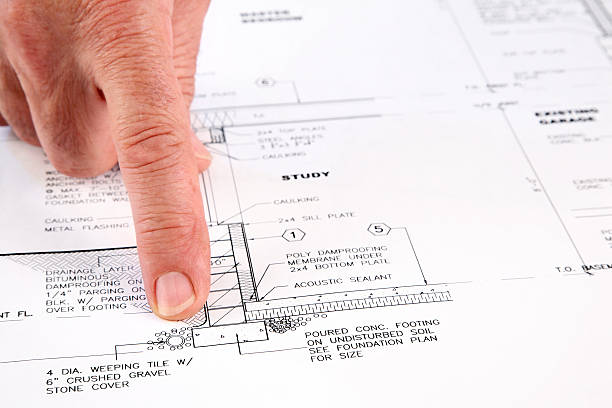
Tip: Use tables and charts wherever possible to present data clearly. Investors and lenders often prefer visuals over lengthy text.
Best Practices When Conducting Feasibility Studies in Miami
Following best practices ensures your feasibility report is reliable, clear, and persuasive. Here are some key tips:
Stay Updated on Local Regulations: Miami-Dade County zoning and environmental rules change regularly. Check official portals.
Use Accurate Market Data: Base projections on recent rental rates, occupancy, and sales trends.
Include Visuals: Maps, charts, and tables make complex information easier to understand.
Plan for Contingencies: Include a buffer in budget and timeline to account for unexpected events.
Engage Professionals: Work with architects, engineers, and environmental consultants familiar with Miami regulations.
Common Mistakes to Avoid
Avoiding these mistakes can save time, money, and frustration:
Underestimating construction or operational costs.
Using outdated or incomplete market data.
Skipping legal or environmental compliance checks.
Ignoring risk management strategies.
Overcomplicating the report — clarity is more persuasive than volume.
Tools and Resources for Writing Your Report
Using the right tools can simplify the process and improve accuracy:
Spreadsheets (Excel, Google Sheets): For financial calculations and ROI modeling.
Market Research Tools: Local real estate databases, MLS, and property trend reports.
Miami-Dade County Resources: Zoning maps, permit requirements, and flood zone maps.
Project Management Software: Track timelines, tasks, and team collaboration.
Conclusion — Next Steps After Completing the Report
Completing a feasibility report is just the start. After finishing the report:
Share it with stakeholders, investors, and lenders.
Use findings to guide project planning and design decisions.
Update the report if market conditions, costs, or regulations change.
A thorough feasibility report reduces risks, increases investor confidence, and improves the chances of a successful Miami construction project.
Get Professional Help
If you want expert guidance for your Miami construction project, JDJ Consulting Group can help. Our team specializes in preparing detailed, accurate feasibility reports tailored to local regulations and market conditions.
Contact us today:

FAQs About Feasibility Report for Miami Construction Project
What is a feasibility report in construction?
A feasibility report is a document that evaluates whether a construction project is practical and worthwhile. It examines technical, financial, legal, and market aspects. The report includes cost estimates, risk assessments, and recommendations. It helps developers and investors make informed decisions and avoid costly mistakes before committing to a project.
Why is a feasibility report important for a Miami construction project?
Miami’s construction market faces unique challenges such as zoning rules, flood risks, and high labor costs. A feasibility report helps you assess costs, market demand, legal requirements, and potential risks. It ensures your project is financially and technically viable while reducing surprises and building confidence among investors and stakeholders.
When should you conduct a feasibility study?
A feasibility study should be conducted early, after the project idea and business case are defined. This is before design, permits, or major spending. Early analysis helps identify potential challenges, saving time and money while allowing informed decision-making before significant resources are committed.
What are the main types of feasibility in construction?
Construction feasibility studies typically include:
Technical feasibility: Can the project be built with available resources?
Financial feasibility: Are costs and returns acceptable?
Legal feasibility: Does it comply with zoning and codes?
Operational feasibility: Will the building function as intended?
Schedule feasibility: Can the project be completed on time?
What is included in the executive summary of a feasibility report?
The executive summary provides a brief overview of the project and findings. It includes the project purpose, key results, main risks, and recommendations. It allows stakeholders to quickly understand the viability of the project without reading the full report.
How do you estimate construction costs in a feasibility report?
Construction costs combine land, labor, materials, permits, design fees, and contingency funds. Use current local data and industry standards. Include soft costs (legal, design) and hard costs (materials, labor). Always include a contingency buffer for unexpected expenses to avoid budget overruns.
What market data should be included in a feasibility study?
Market data includes:
Current property prices and rental rates
Occupancy trends
Competitor analysis
Demographics and local growth trends
This information helps predict demand, pricing, and revenue potential for the project.
How do feasibility studies assess risk?
Feasibility studies identify risks that may impact costs or timelines. Common risks include:
Permit delays
Budget overruns
Weather or natural disasters
Material shortages
Each risk is assessed for likelihood and impact, and mitigation strategies are suggested to minimize negative effects.
Do feasibility reports include financial projections?
Yes. Reports include revenue forecasts, operating costs, cash flow, break-even analysis, and ROI. These projections help determine whether the project will be profitable and sustainable, and guide investors and lenders in their decision-making.
Can a feasibility report help secure financing?
Yes. Investors and lenders often rely on feasibility reports to assess project viability. A well-prepared report demonstrates thorough planning, reduces perceived risk, and increases the likelihood of securing funding.
How does zoning affect a Miami construction feasibility study?
Zoning determines where you can build, the height limits, and allowed uses. A feasibility study reviews Miami-Dade zoning laws early. If a project conflicts with zoning, adjustments or variances may be necessary, affecting design, cost, and timeline.
What is technical feasibility in construction?
Technical feasibility evaluates whether the project can be built safely and efficiently. It considers site conditions, access, utilities, and construction methods. Issues like poor soil or flood risk are identified, and solutions or adjustments are proposed.
How long does a typical feasibility study take?
Time depends on project size and complexity. Small projects may take 2–3 weeks. Larger projects can take 6–8 weeks or longer. The timeline includes data collection, site evaluation, financial analysis, and report preparation.
What legal aspects are reviewed in a feasibility report?
Legal review covers:
Permits and approvals
Zoning compliance
Building codes
Environmental regulations
This ensures the project meets all statutory requirements and avoids delays or penalties.
What is the difference between a feasibility study and a business plan?
A feasibility study evaluates whether a project is practical and viable. A business plan focuses on how the project will operate after approval. The business plan includes management, operations, and marketing strategies, while the feasibility report focuses on risk, costs, and market viability.
Should sustainability be part of a feasibility report?
Yes. Sustainability factors such as energy efficiency, water use, waste reduction, and climate resilience improve long-term value. Including them shows thoughtful planning and may help with approvals, certifications, and investor confidence.
How do you decide if a project should proceed?
The conclusion compares costs, revenue, and risks. If projected returns outweigh risks and costs are manageable, the project is recommended. Otherwise, the report may suggest modifications or stopping the project to prevent loss.
Can a feasibility report recommend alternative solutions?
Yes. If the initial plan isn’t feasible, the report can propose alternative designs, budgets, or locations. These alternatives help decision-makers choose options that improve viability.
Do feasibility reports include visuals?
Good reports use charts, tables, and maps to present complex information clearly. Visuals make it easier for stakeholders to understand key findings and compare data without reading lengthy text.
Who typically prepares a feasibility study?
Feasibility studies can be prepared by internal teams or specialized consultants. Experts with experience in financial modeling, market research, and technical analysis often produce more reliable and credible reports.
How expensive is it to prepare a feasibility report?
Costs vary with project size and complexity. Small reports are relatively inexpensive. Large studies requiring surveys, expert input, and detailed modeling cost more. Despite the cost, a quality feasibility report reduces risk and supports better decision-making.