It was a crisp Austin morning, and Maria was standing on the small lot she had just bought, staring at the possibilities—and the paperwork. She dreamed of building a modern duplex, maybe even a tiny café on the corner, a place that could breathe life into her neighborhood. But as she flipped through the city’s zoning map, she realized she was staring into a maze of districts, overlays, and regulations she barely understood.
If you’ve ever tried to figure out what you can and can’t do on a piece of property in Austin, you know exactly how Maria felt. The city is growing fast, neighborhoods are evolving, and what was once a simple single-family street might now be surrounded by mixed-use development, historic districts, and environmental overlays. Zoning laws aren’t just lines on a map—they shape the city’s skyline, the character of neighborhoods, and the potential of your investment.
And yet, while zoning can feel like a barrier, it’s really a tool. A tool to plan smart, build safely, and make sure your vision aligns with the city’s future. In this guide, we’ll take you behind the scenes of Austin zoning laws, showing you how they work, where the pitfalls are, and how to make them work for you—without getting lost in bureaucracy.
What Are Zoning Laws? (Austin Land Use Basics Explained)
Zoning laws are local rules that control land use. Cities use them to organize growth and reduce conflicts between neighbors. In Austin, zoning decides what type of building can exist on a specific piece of land.

At a basic level, zoning answers three big questions:
What can be built here?
How big can it be?
How can the property be used?
These rules apply to homes, apartments, offices, retail spaces, and industrial sites.
Why zoning exists in Austin
Austin uses zoning to balance growth with livability. The city wants housing, jobs, and businesses. At the same time, it wants safe neighborhoods and reliable infrastructure.
Zoning helps by:
Separating incompatible land uses
Managing traffic and parking
Protecting neighborhood character
Supporting long-term planning goals
Without zoning, development would be unpredictable. That creates risk for owners and investors.
Common zoning terms you will see
If you read zoning documents, some terms come up often.
Here are the most common ones, explained simply.
Base zoning district
This is the main category assigned to a property. Examples include residential, commercial, and industrial zones.Permitted use
A use that is allowed by right. No extra approval needed if rules are met.Conditional use
A use that may be allowed but needs review and approval.Overlay district
Extra rules layered on top of base zoning. These often apply in special areas.Development standards
Rules for height, setbacks, lot coverage, and density.
These terms matter because they shape what you can do with your property.
Main zoning categories in Austin
Austin zoning districts fall into a few broad groups. Each group serves a different purpose.
| Zoning Category | Typical Uses | Why It Matters |
|---|---|---|
| Residential | Single-family homes, duplexes, apartments | Controls density and housing type |
| Commercial | Offices, retail, restaurants | Regulates business activity |
| Industrial | Warehouses, manufacturing | Limits impact on nearby areas |
| Mixed-use | Housing plus commercial | Supports walkable development |
Knowing the category is the first step in understanding any property.
Why zoning matters to owners and investors
Zoning affects property value and future potential. A small zoning detail can change what a site is worth.
For example:
A height limit may restrict unit count
A conditional use may delay a project
An overlay district may add design rules
Understanding zoning early saves time and money later.
How Zoning Works in Austin
Austin zoning is guided by the city’s Land Development Code. This code sets the rules for land use, building size, and site layout.
Every property in Austin falls under this system.
The Land Development Code in simple terms
The Land Development Code is the rulebook. It explains:
Which uses are allowed in each zone
How buildings must be designed
What approvals are required
If a project follows the code, it can usually move forward. If it does not, changes or approvals are needed.
This code applies to:
New construction
Remodels and additions
Change of use projects
Even small changes can trigger zoning review.
Zoning maps and property lookup
Each parcel in Austin has a zoning designation. You can find it using city zoning maps or property profiles.
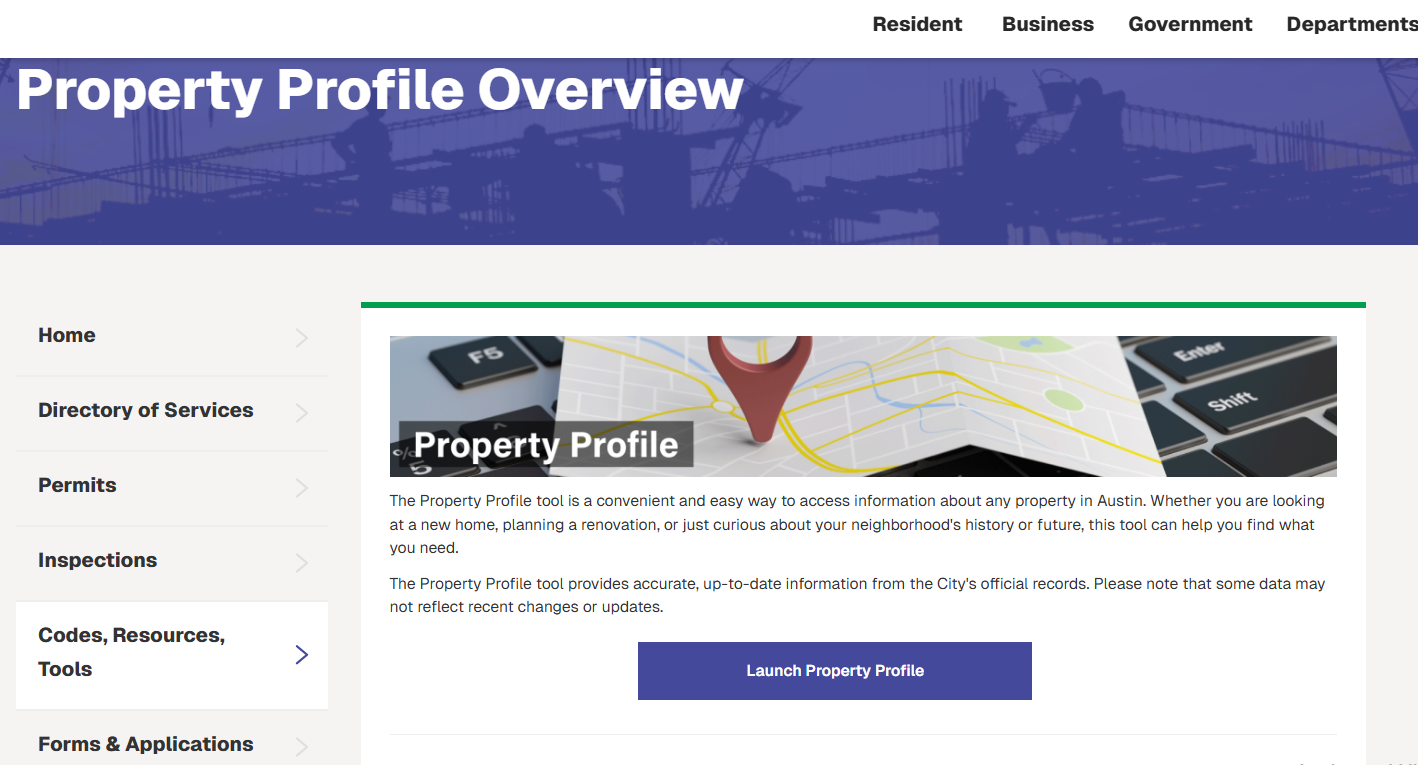
When you look up a property, you will usually see:
Base zoning district
Overlay districts, if any
Site constraints
Always check the map before planning a project. Zoning assumptions often cause problems later.
What zoning regulates in Austin
Zoning controls more than land use. It also regulates how development fits on the site.
Key items include:
Building height
Setbacks from property lines
Lot coverage and impervious cover
Density and unit count
Parking requirements
These rules shape design and cost.
Here is a simple breakdown of common zoning controls.
| Zoning Rule | What It Controls | Why It Matters |
|---|---|---|
| Height limits | Maximum building height | Affects unit count and views |
| Setbacks | Distance from property lines | Impacts building footprint |
| Density | Units per lot or acre | Shapes project size |
| Parking | Required spaces | Influences site layout |
Permitted vs. conditional uses
Not all uses are treated the same.
Permitted uses are allowed if standards are met
Conditional uses need review and approval
Conditional uses often involve public input. This can add time to the process.
Knowing the difference helps with realistic planning.
Why zoning details matter early
Many delays happen because zoning was not reviewed early. Owners assume a use is allowed. Later, they find out it is not.
Early zoning checks help:
Avoid redesign costs
Reduce approval delays
Set realistic budgets
This step is simple but critical.
The Zoning and Rezoning Process in Austin
Zoning does not always stay the same. As Austin grows, property needs change. That is where rezoning comes in.
Rezoning is the process of changing a property’s zoning designation. It allows different uses, more density, or new development standards. Many projects in Austin depend on this step.

Understanding how the process works helps you plan better and avoid surprises.
How property gets zoned in Austin
Every property starts with a zoning category. That zoning stays in place unless the owner requests a change or the city updates rules.
Rezoning usually follows this general flow:
Property owner submits a rezoning request
City staff reviews the application
Notices go out to nearby property owners
The Planning Commission reviews the case
Austin City Council makes the final decision
This process takes time. Simple cases may move faster. Complex cases often take several months.
When rezoning is usually needed
Not every project needs rezoning. Many projects fit within existing zoning rules.
Rezoning is common when:
A residential lot is planned for apartments
A commercial site is planned for mixed use
Density or height needs to increase
The current zoning is outdated
If the use or size does not match existing rules, rezoning becomes necessary.
Public notice and neighbor involvement
Public input is a major part of the process.
When a rezoning case is filed, the city notifies nearby property owners. Signs may also be posted on the site.
Neighbors can:
Support the request
Oppose the request
Ask questions at hearings
Strong opposition can slow or stop a case. Support can help move it forward. This is why early outreach matters. Clear communication often reduces conflict.
Planning Commission and City Council roles
Two groups review rezoning cases.
1. Planning Commission
This group reviews the request first. They look at consistency with city plans and zoning goals. Their recommendation goes to City Council.
2. City Council
City Council makes the final decision. They can approve, deny, or modify the request.
Council meetings are public. Applicants or their representatives often speak during these sessions.
Zoning verification letters explained
Sometimes, owners need written confirmation of zoning details. This is where zoning verification letters come in.
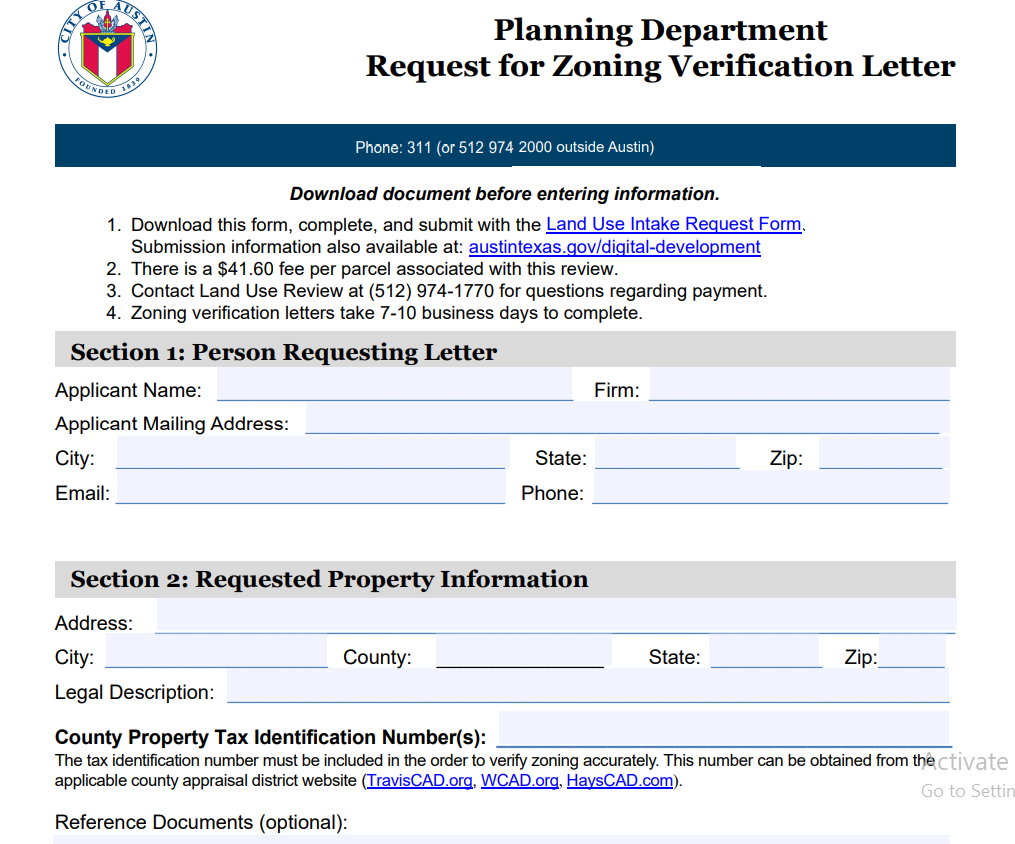
These letters confirm:
Current zoning classification
Allowed uses
Overlay districts
Special conditions
They are often needed for:
Property sales
Financing
Legal review
Development planning
Here is a quick overview.
| Zoning Document | Purpose | When It Is Used |
|---|---|---|
| Zoning map | Shows zoning district | Early research |
| Property profile | Lists site details | Planning stage |
| Zoning verification letter | Confirms zoning officially | Legal or financial needs |
These letters reduce risk by providing official clarity.
How long rezoning usually takes
Timelines vary. There is no one-size answer.
On average:
Simple cases may take 3 to 4 months
Complex cases may take 6 months or more
Delays often come from:
Incomplete applications
Neighbor opposition
Design changes
Policy conflicts
Planning ahead helps manage these delays.
Why professional help matters
Rezoning involves rules, deadlines, and public input. Small mistakes can cause setbacks.
Working with professionals helps by:
Preparing strong applications
Coordinating with city staff
Addressing neighbor concerns
Staying on schedule
This is especially important for larger or higher-risk projects.
Key takeaway for property owners
Rezoning is not automatic. It is a structured, public process. Knowing the steps helps you stay in control.
Before buying or developing property, always ask:
What is the current zoning?
Is rezoning needed?
How long might it take?
Clear answers early lead to better outcomes.
Special Zoning Zones and Overlay Districts in Austin
Not all zoning rules are the same across the city. Some areas have extra layers of regulation. These are called special zoning zones and overlay districts.
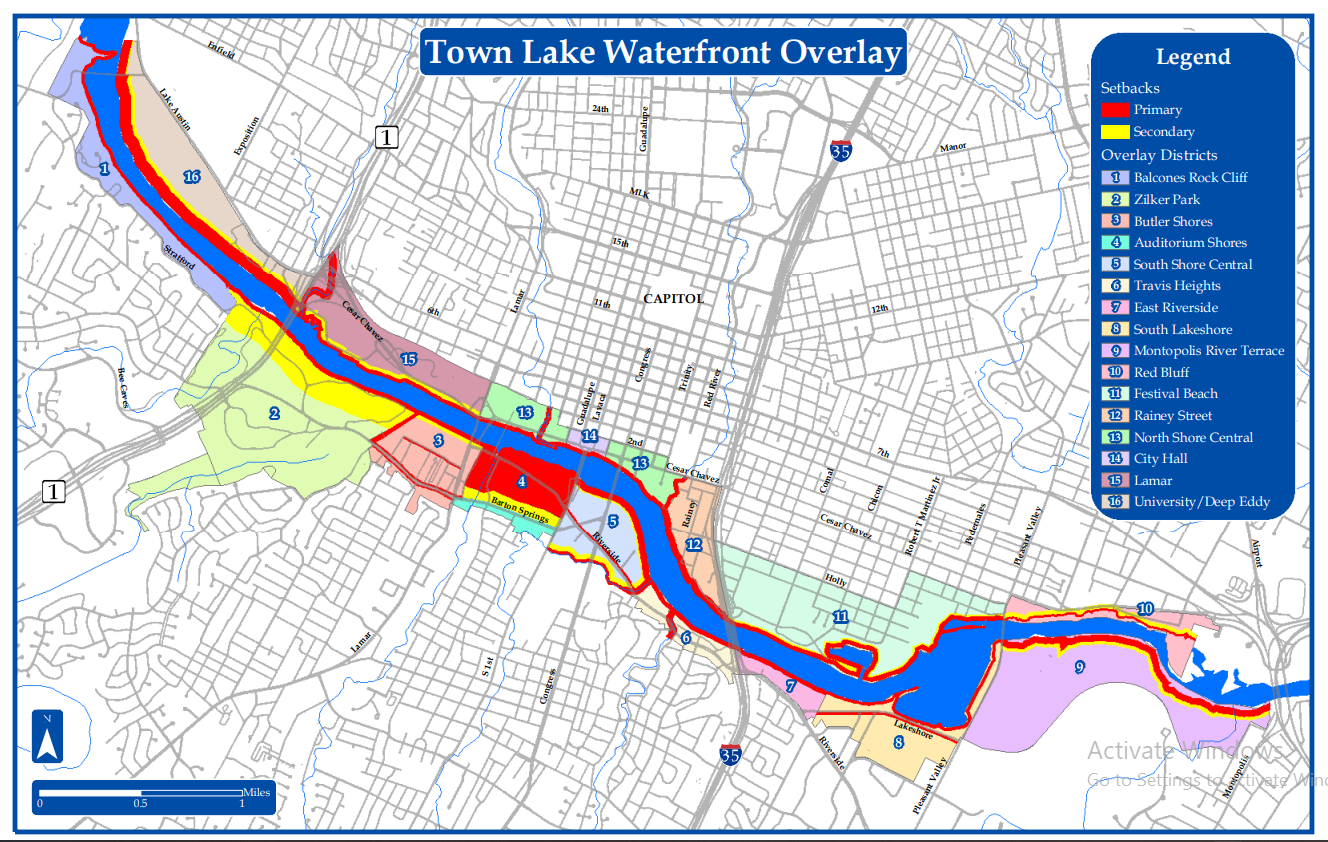
Overlay districts sit on top of base zoning. They add rules but do not replace the original zoning. This means a property must follow both sets of standards.
These overlays exist to protect important areas, manage growth, and preserve Austin’s character.
What overlay districts do
Overlay districts address specific concerns that normal zoning does not fully cover.
They are used to:
Protect historic and cultural areas
Control building height in sensitive locations
Preserve neighborhood character
Guide development along major corridors
If your property falls within an overlay, your project may need extra review.
Historic zoning and preservation districts
Historic zoning applies to buildings or areas with cultural or architectural value.
If a property has historic zoning:
Exterior changes often require approval
Demolition may be restricted
Design standards must be followed
These rules help preserve Austin’s older neighborhoods. They also add time and cost to projects.
Historic overlays often apply in:
Older central Austin neighborhoods
Recognized historic districts
Individually designated historic structures
Owners should confirm historic status early. Many learn about restrictions too late.
Capitol View Corridors and height limits
Austin protects certain views of the Texas State Capitol. These are called Capitol View Corridors.
Within these corridors:
Building height is restricted
Design must protect sightlines
Some sites lose development potential
These rules can affect downtown and nearby areas.
Even if zoning allows height, a view corridor may reduce it. This is a common surprise for developers.
Neighborhood conservation combining districts
Neighborhood Conservation Combining (NCC) districts focus on preserving neighborhood character.
They often regulate:
Building size
Roof styles
Front setbacks
Compatibility with nearby homes
These districts are common in established neighborhoods. The goal is to prevent out-of-scale development.
For small builders and homeowners, NCC rules matter a lot. A project that works elsewhere may not work here.
Waterfront and environmental overlays
Austin also uses overlays to protect natural resources.
These include areas near:
Lakes and creeks
Floodplains
Sensitive environmental zones
Rules may limit:
Impervious cover
Tree removal
Building placement
Environmental overlays can reduce site flexibility. They often require additional permits and studies.
Corridor and transit-oriented overlays
Some overlays support growth along major roads and transit lines.
These overlays encourage:
Mixed-use development
Higher density near transit
Walkable design
They often reduce parking requirements while increasing design standards.
These zones support Austin’s long-term growth plans.
How overlays affect development decisions
Overlay districts add complexity. They can affect cost, design, and timelines.
Here is a simple overview of common overlays and their impact.
| Overlay Type | Main Purpose | Common Impact |
|---|---|---|
| Historic | Preserve buildings | Design and demolition limits |
| Capitol View Corridor | Protect sightlines | Height restrictions |
| Neighborhood Conservation | Maintain character | Size and design controls |
| Environmental | Protect natural areas | Limits on coverage and trees |
Why overlays matter before buying property
Overlay rules apply even if the base zoning seems flexible.
Before purchasing land or starting design, confirm:
All overlay districts on the property
Added review requirements
Potential limits on size or height
Ignoring overlays often leads to redesigns or delays.
Key takeaway for owners and developers
Overlay districts are not optional. They are enforceable rules.
A property may look ideal on paper. An overlay can change that quickly.
Careful zoning review helps you understand true development potential and avoid costly mistakes.
Recent Zoning Reforms & What They Mean for Austin
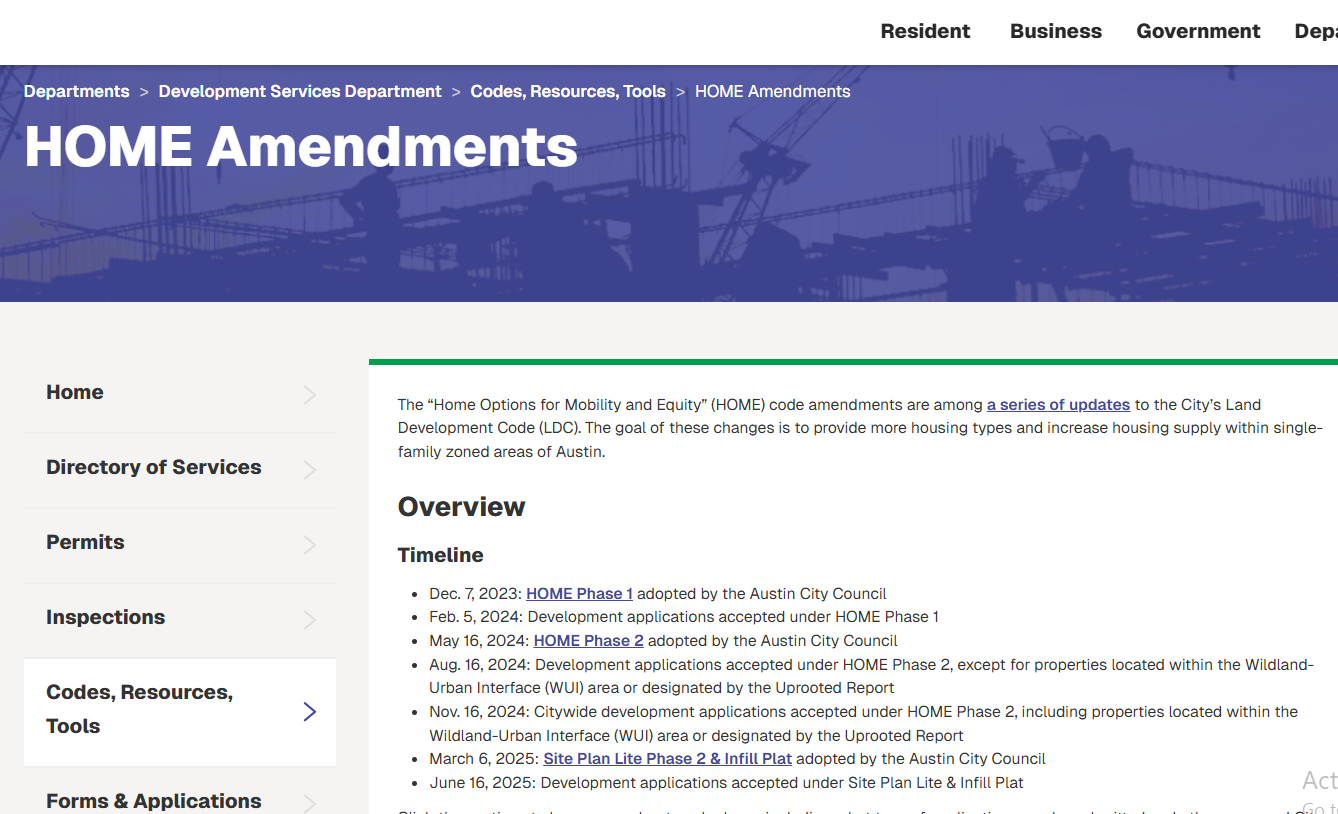
Austin’s zoning rules have been changing. These updates aim to address housing affordability and allow more types of homes in more places. Many of the changes come from the city’s HOME Initiative and related city code updates. These reforms started rolling out in late 2023 and continue through 2025 with both phases of HOME and other amendments.
In this section, we’ll explain the key changes, why they matter, and what they mean for property owners, developers, and neighborhoods.
What the HOME Initiative Does
The HOME Initiative stands for Home Options for Mobility and Equity. It is a series of city code changes that expand housing opportunities across Austin.
Here are the main parts of this plan:
HOME Phase 1 (Started 2024)
Allows up to three housing units on most single-family zoned lots (like SF-1, SF-2, and SF-3).
Includes tiny homes as legal units in these zones.
Removes limits on the number of unrelated adults living in a home.
HOME Phase 2 (Started 2024–2025)
Creates a new category called small-lot single-family residential use.
This allows homes on smaller lots than the old minimum (down to 1,800 square feet in some cases).
Offers a new infill subdivision process to support smaller lots and parcels.
These changes are meant to boost housing supply, especially smaller and more affordable units. They also give owners more options when planning projects on lots that were once limited to one big home.
The timeline for these phases shows how quickly changes have been accepted and applied in Austin.
| Reform Phase | What It Does | Timeline |
|---|---|---|
| HOME Phase 1 | Allows up to 3 units on single-family lots | Feb 2024 (applications accepted) |
| HOME Phase 2 | Adds small-lot development and infill options | Aug 2024 – Nov 2024 (citywide) |
| Site Plan & Infill Rule Updates | Streamline drainage reviews | Mar – Jun 2025 |
Why These Reforms Matter
These zoning code updates are among the most significant in Austin’s recent history. That’s because:
Most of Austin’s land was long zoned only for single-family homes.
Traditional zoning made it hard to add more housing in many neighborhoods.
Housing demand and prices have risen rapidly in the past decade. The Texas Tribune
By letting more units be built on one lot and allowing smaller lots, the city hopes to help ease housing supply pressures.
Many local planners and builders see these changes as a shift toward more flexible housing. However, not everyone agrees about their impact. Some believe the reforms may be limited unless broader development standards also change.
What Critics and Supporters Say
Supporters of these reforms argue that:
They add housing options where none existed before.
They reduce barriers that kept small homes out of many neighborhoods.
They can help lower housing costs over time by increasing supply.
Critics raise concerns such as:
Some changes may not lead to many new homes unless other rules also change.
Not all lots will be suitable for multiple units or smaller lot divisions.
There may be design or compatibility concerns in established neighborhoods. Planetizen
In simple terms, the reforms open the door to more housing. But builders and homeowners still face real site and code considerations.
Quick Comparison: Before and After Key Reforms
| Zoning Feature | Before Reforms | After HOME Changes |
|---|---|---|
| Units per lot | Usually 1 | Up to 3 permitted in many areas |
| Minimum lot size | 5,750 sq. ft. | As low as 1,800 sq. ft. for small lots |
| Lot divisions | Harder to approve | Easier under infill rules |
| Unrelated adults limit | Restricted | Removed in many cases |
Real-World Zoning Challenges and Practical Tips in Austin
On paper, zoning rules can look clear. In real projects, things are rarely that simple. Many Austin property owners run into issues that slow projects or increase costs.

This section focuses on common zoning challenges and how to deal with them early.
Variances and exceptions explained
A variance is a request to deviate from zoning rules. It does not change the zoning. It allows limited relief from specific standards.
Variances are usually requested for:
Setback requirements
Lot size issues
Building placement problems
They are not meant to fix poor planning. The city only approves them when strict conditions are met.
To qualify, owners usually must show:
A hardship related to the property
That the hardship is not self-created
That the change will not harm nearby properties
Variance approval is never guaranteed. Many requests are denied.
Common zoning roadblocks owners face
Some zoning problems show up again and again in Austin projects.
Here are the most common ones.
Incompatible zoning
The intended use does not match the zoning district.Overlay conflicts
Overlay rules limit height, size, or design more than expected.Setback and lot shape issues
Older lots often do not fit modern standards.Neighborhood opposition
Public resistance can delay or derail approvals.Environmental constraints
Trees, floodplains, or critical water features restrict development.
Each issue alone can slow a project. Together, they can stop it.
How neighbor concerns affect zoning cases
Public input matters in Austin. Neighbors often attend hearings, especially for rezoning or conditional uses.
Common concerns include:
Traffic and parking
Building height and scale
Noise and privacy
Impact on neighborhood character
Ignoring neighbors rarely works. Early communication often reduces conflict.
Simple steps help:
Share plans before hearings
Explain design choices clearly
Address concerns where possible
This approach does not guarantee support, but it improves outcomes.
Site constraints that change development plans
Some zoning challenges are tied to the land itself.
Examples include:
Narrow or irregular lots
Steep slopes
Existing easements
Utility access issues
These constraints affect layout, access, and cost. Zoning rules often interact with these limits.
Here is a quick look at how site issues affect projects.
| Site Constraint | Common Impact | Planning Tip |
|---|---|---|
| Narrow lot | Reduced buildable area | Review setbacks early |
| Floodplain | Limited footprint | Check environmental overlays |
| Large trees | Design restrictions | Verify tree protection rules |
| Easements | Loss of usable space | Confirm survey details |
Timing mistakes that cause delays
Many zoning delays come from timing errors, not rules.
Common mistakes include:
Applying before plans are ready
Missing notice deadlines
Underestimating review timelines
Ignoring public hearing schedules
Austin’s process follows a set calendar. Missing one step can push a project back months. Careful scheduling helps keep projects moving.
Practical tips for smoother zoning outcomes
You cannot control every factor. You can control preparation.
Here are practical ways to reduce zoning risk.
Confirm zoning and overlays before buying property
Review development standards in detail
Talk to city staff early
Address compatibility issues in design
Plan for public input
These steps do not remove all challenges. They reduce surprises.
When professional guidance makes sense
Some projects are simple. Others are not.
Professional help is often valuable when:
Rezoning is required
Multiple overlays apply
Variances are needed
Neighborhood concerns are strong
Consultants help translate rules into workable plans. They also help manage timelines and expectations.
Key takeaway for real projects
Zoning challenges are part of development in Austin. Most projects face at least one issue. The goal is not to avoid challenges. It is to identify them early. Early research, clear planning, and realistic timelines lead to better results and fewer delays.
Zoning Rules for Different Property Uses in Austin
Zoning rules change based on how a property is used. A home, a retail space, and a warehouse all follow different standards. Understanding these differences helps owners avoid costly mistakes.

This section breaks zoning down by use type. It focuses on what matters most in real projects.
Residential zoning rules in Austin
Residential zoning covers single-family homes, duplexes, townhomes, and apartments. These districts make up most of the city.
Common residential zoning categories include:
Single-family districts
Multi-family districts
Small-lot residential districts
Each category has its own rules. Density and size limits vary widely.
Key residential zoning controls include:
Maximum number of units
Building height limits
Setbacks and lot coverage
Parking requirements
Recent code changes now allow more units on many residential lots. Still, design and site rules remain in place.
Here is a simplified look at residential zoning impacts.
| Residential Type | Typical Unit Count | Key Limits |
|---|---|---|
| Single-family | 1 to 3 units | Height, setbacks |
| Duplex / townhome | 2 to 4 units | Density rules |
| Apartment | Multiple units | FAR, parking |
Residential projects often trigger neighbor interest. Compatibility standards play a big role.
Commercial zoning rules and uses
Commercial zoning applies to offices, retail, restaurants, and service businesses. These zones support economic activity.
Common commercial zoning issues include:
Use restrictions
Parking minimums
Access and driveway spacing
Noise and operating hours
Some uses are allowed by right. Others need conditional use approval.
Mixed-use zoning is common in commercial areas. It allows housing above or next to businesses. This is popular near major roads and transit lines.
Commercial zoning often focuses on:
Customer access
Traffic flow
Impact on nearby homes
Design standards are often stricter in visible areas.
Industrial zoning rules and limits
Industrial zoning is more limited in Austin. These zones support:
Warehouses
Manufacturing
Distribution centers
Industrial zoning usually allows larger buildings and fewer design limits. Still, there are restrictions.
Key industrial zoning concerns include:
Truck access
Noise and emissions
Buffer zones near residential areas
Industrial uses near homes often face added review.
Environmental rules also play a role. Many industrial sites fall near creeks or floodplains.
Case study 1: Adding units to a single-family lot
A property owner in central Austin owns a standard single-family lot. Under older rules, only one home was allowed. After recent zoning changes, the owner can now build up to three units.
What worked well:
The base zoning already allowed residential use
No historic or environmental overlays applied
The lot size met minimum requirements
Challenges faced:
Setback rules limited building placement
Parking had to be carefully planned
Neighbor questions came up during review
Outcome:
Two additional units were approved
Design adjustments resolved compatibility issues
This type of project is now more common across Austin.
Case study 2: Rezoning a commercial corridor site
A small commercial site along a major road was zoned for low-intensity use. The owner wanted mixed-use development.
Steps taken:
Rezoning request submitted
Neighborhood meetings held early
Traffic impact reviewed
Key zoning issues:
Height limits
Parking ratios
Compatibility with nearby homes
Outcome:
Rezoning approved with conditions
Height reduced from original request
This shows how compromise often leads to approval.
Case study 3: Overlay district limits on development
A developer purchased land near downtown. Base zoning allowed mid-rise buildings. Later, it was discovered the site fell within a Capitol View Corridor.

Impact:
Allowed height was reduced
Unit count dropped
Design had to change
Lesson learned:
Overlay research should happen before purchase
This mistake added cost and delayed the project.
What these examples show
Across these cases, patterns emerge.
Successful projects often share these traits:
Early zoning research
Clear communication with neighbors
Flexible design approach
Projects that struggle often miss early details.
Common zoning mistakes seen in Austin
Based on local trends, these errors show up often:
Assuming zoning allows a use without checking
Ignoring overlay districts
Underestimating parking needs
Waiting too long to involve professionals
Each mistake adds time or cost.
Lessons for property owners and investors
From these examples, a few lessons stand out.
Zoning research is an early step, not a late one
Design must respond to zoning, not fight it
Public input is part of the process
Here is a summary table.
| Project Type | Main Zoning Issue | Key Lesson |
|---|---|---|
| Single-family infill | Setbacks and parking | Plan site layout early |
| Commercial rezoning | Height and use | Engage neighbors |
| Downtown development | Overlay limits | Check overlays first |
Why case studies matter
Case studies turn rules into real outcomes. They show how zoning decisions play out on actual sites. They also highlight risk. Even small zoning details can change feasibility.
Key takeaway from real projects
Zoning does not stop projects. Poor planning does. Projects that respect zoning early tend to move faster and cost less.
Tools and Resources for Understanding Austin Zoning Laws
Researching zoning in Austin is easier with the right tools. Using official resources early can save time and reduce risks.
Key Resources:
Austin Zoning Maps – Check base zoning and overlays for any property.
Property Profiles – View lot details, zoning info, and site constraints.
Zoning Use Charts & Guides – Understand allowed and conditional uses by zoning district.
Zoning Verification Letters – Get official confirmation for sales, financing, or development.
Tip: For complex projects involving overlays, rezoning, or variances, professional consultants can help understand the rules and speed up approvals.