Austin does not feel like one city anymore. It feels like many cities layered on top of each other.
A quiet street turns into a construction site overnight. A rental sign disappears in days. A small home lists on Friday and sells before Monday. This is normal here.
That pace shapes everything about real estate in Austin.
People arrive with different goals. Some want to buy their first home. Others are searching for an apartment close to work. Investors look for steady returns. Developers study zoning maps before they even think about buying land.
Because of that, real estate in Austin is not handled by one type of company. It is handled by many. Each plays a different role. Some sell homes. Some manage apartments. Others never touch listings at all. They work behind the scenes, dealing with land rules, permits, and city approvals.
This is where confusion often starts.
A buyer may call the wrong firm. An investor may expect services that a brokerage does not offer. A developer may lose months because no one flagged a zoning issue early.
This guide helps prevent that.
Below, we break down the major real estate companies in Austin, Texas. We explain what they do, who they serve, and where they fit in the process. The goal is simple. Help you choose the right partner from the start.
Let’s begin with the companies most people recognize first: residential brokerages.

Why Austin’s Real Estate Market Is Different
Austin is not a slow market. Homes move fast. Rents rise quickly. Zoning rules can change block by block.
Because of that, real estate here often requires local knowledge. A company that works well in another city may struggle in Austin. Local experience helps with pricing, timing, and expectations.
Here’s what sets Austin apart:
Strong job growth from tech, healthcare, and education
High demand for rentals and apartments
Ongoing land development and redevelopment
Tight zoning and permitting rules in many areas
Different needs call for different real estate partners. The table below shows the main categories you’ll see in Austin.
Types of Real Estate Companies in Austin
| Company Type | What They Usually Do | Best For |
|---|---|---|
| Residential Brokerages | Buy and sell homes | Home buyers and sellers |
| Apartment Operators | Lease and manage rentals | Renters |
| Investment Firms | Own and manage large assets | Institutional investors |
| Commercial Firms | Offices, retail, industrial | Business owners |
| Land Use Consultants | Zoning and permits | Developers and investors |
As we move forward, keep your goal in mind. Buying a house is very different from developing land or managing rentals.
Major Residential Real Estate Brokerages in Austin
Residential brokerages are often the first stop for buyers and sellers. These firms focus on homes, condos, and small investment properties.
In Austin, three names come up again and again: Keller Williams, Coldwell Banker, and RE/MAX.
Keller Williams Realty
Keller Williams is based in Austin. That gives it a strong local edge. Most offices operate independently, with agents leading the client relationship.

What they focus on
Buying and selling homes
Local neighborhood expertise
Agent-driven service
Good fit if
You want a hands-on local agent
You are buying or selling a primary home
Things to know
Experience depends on the agent
Fees follow a standard commission model
Coldwell Banker
Coldwell Banker is one of the oldest real estate brands in the country. In Austin, it works well for buyers and sellers who want a traditional approach.
What they focus on
Residential sales
Luxury homes
Relocation services
Good fit if
You value brand history
You want structured processes
Things to know
Less flexible for non-traditional deals
Commission-based pricing
RE/MAX
RE/MAX offices in Austin are independently owned. Agents often handle a wide range of price points, from starter homes to higher-end properties.
What they focus on
Residential sales
Some commercial listings
Relocation support
Good fit if
You want broad market exposure
You are buying or selling in multiple cities
Things to know
Service quality varies by agent
Limited role in development projects
Quick Comparison: Top Residential Brokerages
| Company | Best Known For | Ideal Client |
|---|---|---|
| Keller Williams | Local expertise | Austin home buyers |
| Coldwell Banker | Brand reputation | Traditional sellers |
| RE/MAX | Large agent network | Buyers across markets |
These firms handle most home transactions in Austin. Still, they are not built for every real estate need.
Apartment and Rental-Focused Real Estate Companies
Not everyone in Austin is buying. Many people rent. That’s where apartment-focused companies come in.
These firms own or manage large rental communities. They do not sell homes. Instead, they focus on leasing, maintenance, and resident experience.
Windsor Communities
Windsor Communities has been around for decades. In Austin, it focuses on luxury apartment living.

What they focus on
Apartment leasing
Property management
Resident services
Good fit if
You want professionally managed rentals
You prefer larger apartment communities
Things to know
Not involved in home sales
No services for investors or developers
Camden Property Trust
Camden is a large, publicly traded apartment company. It operates many communities across Austin.
What they focus on
Apartment ownership
Property management
Long-term rentals
Good fit if
You want stable, well-run apartments
You prefer established communities
Things to know
Institutional structure
No flexibility for small investors
Investment-Focused Real Estate Companies in Austin
Not all real estate companies work with buyers or renters. Some focus only on investments. These firms buy, own, and manage properties at scale. Most work with investors, not the general public.
In Austin, investment activity is strong. Population growth keeps demand high. That makes the city attractive for long-term returns.
Berkshire Residential Investments
Berkshire focuses on residential assets, mainly apartments. It works with institutional and global investors.

What they focus on
Residential acquisitions
Asset and portfolio management
Long-term value growth
Good fit if
You are an institutional investor
You want stable residential assets
Things to know
Not consumer-facing
No brokerage or leasing services
The Connor Group
The Connor Group is known for owning and operating multifamily properties. Culture and performance are central to its model.
What they focus on
Apartment ownership
Property operations
Value-add strategies
Good fit if
You are exploring large-scale investments
You value operational discipline
Things to know
Not open to small investors
No services for buyers or renters
Venterra Realty
Venterra develops, owns, and manages multifamily and mixed-use communities across the U.S., including Austin.
What they focus on
Multifamily development
Property ownership
Resident experience
Good fit if
You want exposure to mixed-use assets
You value customer-focused operations
Things to know
Rental-only model
No brokerage services
Snapshot: Investment-Led Firms
| Company | Asset Type | Primary Focus |
|---|---|---|
| Berkshire | Apartments | Institutional investing |
| The Connor Group | Multifamily | Operations & performance |
| Venterra | Mixed-use & multifamily | Long-term ownership |
These firms shape much of Austin’s rental landscape. Still, they operate behind the scenes.
Commercial and Mixed-Use Real Estate Companies
Commercial real estate works differently from residential. Projects are larger. Timelines are longer. The stakes are higher.
Austin has several firms that focus on offices, retail, industrial, and mixed-use projects.
Ryan Companies US
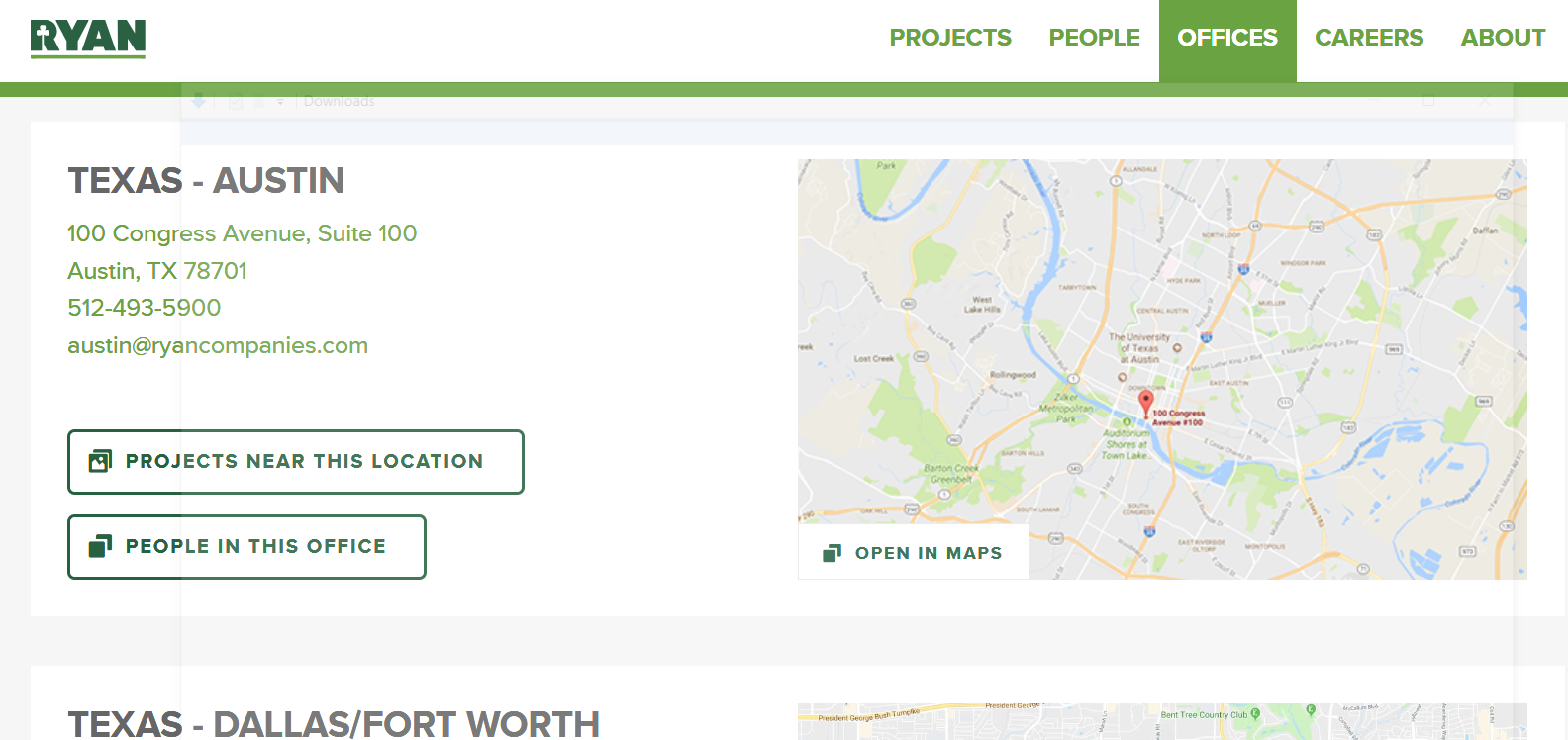
Ryan Companies is a national firm with a strong Austin presence. It combines development with design and construction.
What they focus on
Commercial development
Design-build construction
Facilities management
Good fit if
You are planning a large commercial project
You want one firm from start to finish
Things to know
Better for large projects
Not focused on home sales
Transwestern
Transwestern operates across brokerage, development, and investment. It is well known in Austin’s commercial market.
What they focus on
Commercial brokerage
Investment advisory
Asset and property management
Good fit if
You own or lease commercial space
You want market-driven insights
Things to know
Limited residential services
Better suited for businesses and investors
Property Management and Operations-First Firms
Some companies specialize in managing properties owned by others. Their goal is performance, not publicity.
ResProp
ResProp works with property owners to improve operations and revenue.

What they focus on
Third-party property management
Revenue and retention
Operational efficiency
Good fit if
You own residential assets
You want hands-on management
Things to know
No brokerage services
Not involved in development
IMT Residential
IMT owns and manages multifamily properties across several states, including Texas.
What they focus on
Apartment ownership
Property management
Resident services
Good fit if
You are looking for professionally managed rentals
You prefer established communities
Things to know
Rental-focused
Not for buyers or developers
Where Land Use and Development Consulting Fits In
Some real estate challenges start before buying or building – zoning rules, permits, city approvals. These issues can delay or stop a project entirely.
This is where land use consultants play a key role.
JDJ Consulting Group
JDJ Consulting Group focuses on land use, zoning, and development approvals in Austin and across Texas.

What they focus on
Zoning and land use analysis
Entitlement and permitting strategy
Development feasibility
Pre-construction advisory
Good fit if
You are developing land
You need rezoning or variances
You want fewer delays and surprises
Things to know
Not a brokerage
Does not buy or sell property
How JDJ Fits into Austin Real Estate
| Project Stage | Typical Need | JDJ’s Role |
|---|---|---|
| Pre-purchase | Risk review | Feasibility analysis |
| Planning | Zoning approval | Entitlement strategy |
| Pre-build | Permits | City coordination |
JDJ supports the early stages of development. That makes it a strong partner for developers and investors.
Common Mistakes in Austin Real Estate
Austin’s fast-moving market makes it easy to misstep. Here are common mistakes people make — and how to avoid them:
Calling the wrong type of company first
Buyers may contact an investment firm, and developers may call a brokerage. Make sure you understand who does what before making that first call.Ignoring local zoning and permit rules
Each neighborhood has its own rules. Skipping early land use checks can delay projects by months.Assuming rental companies handle buying or selling
Apartment operators focus on leasing and resident experience. They rarely offer brokerage services.Overlooking agent or management quality
Reputation and reviews matter. Even top brands have offices or agents with varying performance.Waiting too long to act
Austin’s properties move fast. Delays in decision-making or paperwork can mean losing a home, investment, or lease opportunity.
By keeping these points in mind, you can approach Austin real estate with clarity and confidence. Knowing the landscape, the companies, and your own goals makes all the difference.

Wrapping Up: Finding Your Place in Austin Real Estate
Austin feels like a city in motion. Streets change, homes vanish off the market, and new projects appear seemingly overnight. Amid this pace, having the right real estate partner is not just helpful—it’s essential.
Whether you’re buying your first home, renting a luxury apartment, investing in multifamily properties, or developing land, the right company makes all the difference. Residential brokerages guide homebuyers. Apartment operators handle rentals with care. Investment firms manage large-scale assets. Land use consultants navigate zoning and permits. Knowing who to call, and when, keeps your plans on track.
Take a moment before making decisions. Align your goal with a company’s expertise. Check their track record. Ask questions. Doing this upfront saves time, money, and stress.
If you’re ready to start your journey in Austin—whether it’s buying, renting, investing, or developing—working with experienced local professionals is the first step. Reach out to a trusted real estate company or land use consultant today to make sure your plans move forward smoothly.
If you’re planning a project in Austin, JDJ Consulting Group is here to guide you. Our firm handles the tricky parts—like zoning, feasibility, due diligence, permits, and approvals. Our team of consultants knows the city and can help keep your project moving smoothly.
Reach out today:
Phone: (818) 793-5058
Email: sales@jdj-consulting.com
Contact Page: https://jdj-consulting.com/contact-us/
Services: https://jdj-consulting.com/services/