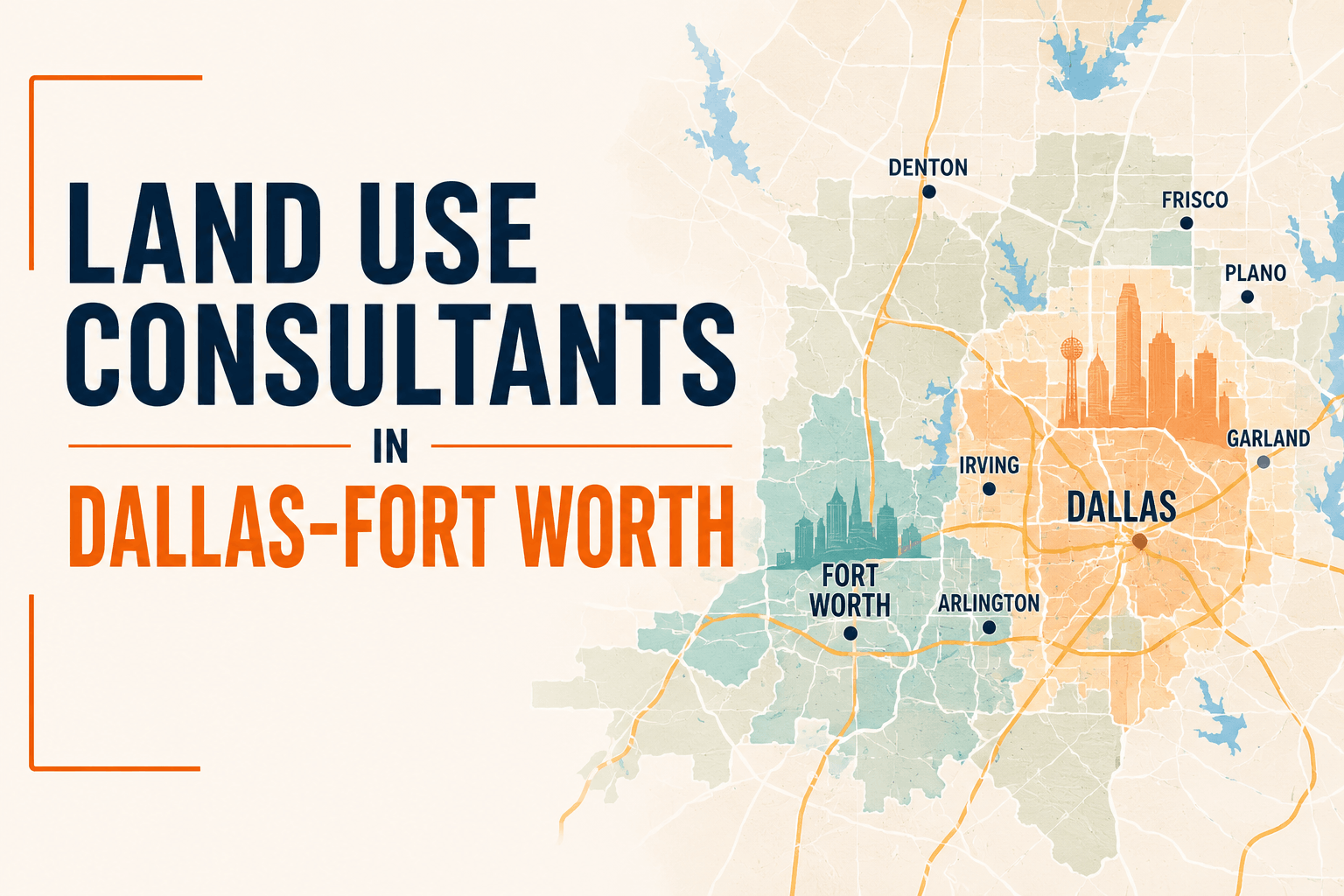
Dallas remains one of the busiest development markets in Texas. As construction activity continues to grow, so does the complexity of the city’s permitting process.
A commercial project in Dallas may require reviews from several departments before construction can begin. Depending on the project, approvals may involve zoning, building inspections, fire review, public works, environmental review, and other agencies.
For developers working under tight deadlines, permit delays can be expensive. Every week spent waiting for approvals can increase financing costs, delay tenant occupancy, and push back project completion dates. Understanding how the Dallas permitting system works can help avoid those delays.
This guide explains what developers need to know about permits in Dallas in 2026, including timelines, zoning requirements, common challenges, and the value of working with an experienced permit expediter.
Why Dallas Permitting Is Different From Other Texas Markets
Dallas operates under a traditional zoning system. Unlike Houston, which has no formal zoning code, Dallas regulates land use through the Dallas Development Code. The city contains more than 30 zoning districts covering residential, commercial, mixed-use, industrial, and planned development uses.
Because of this, every project must meet two separate requirements:
Building code compliance
Zoning compliance
A project may comply with building codes but still face zoning issues. A use allowed in one district may require a special use permit, variance, or zoning change in another district.
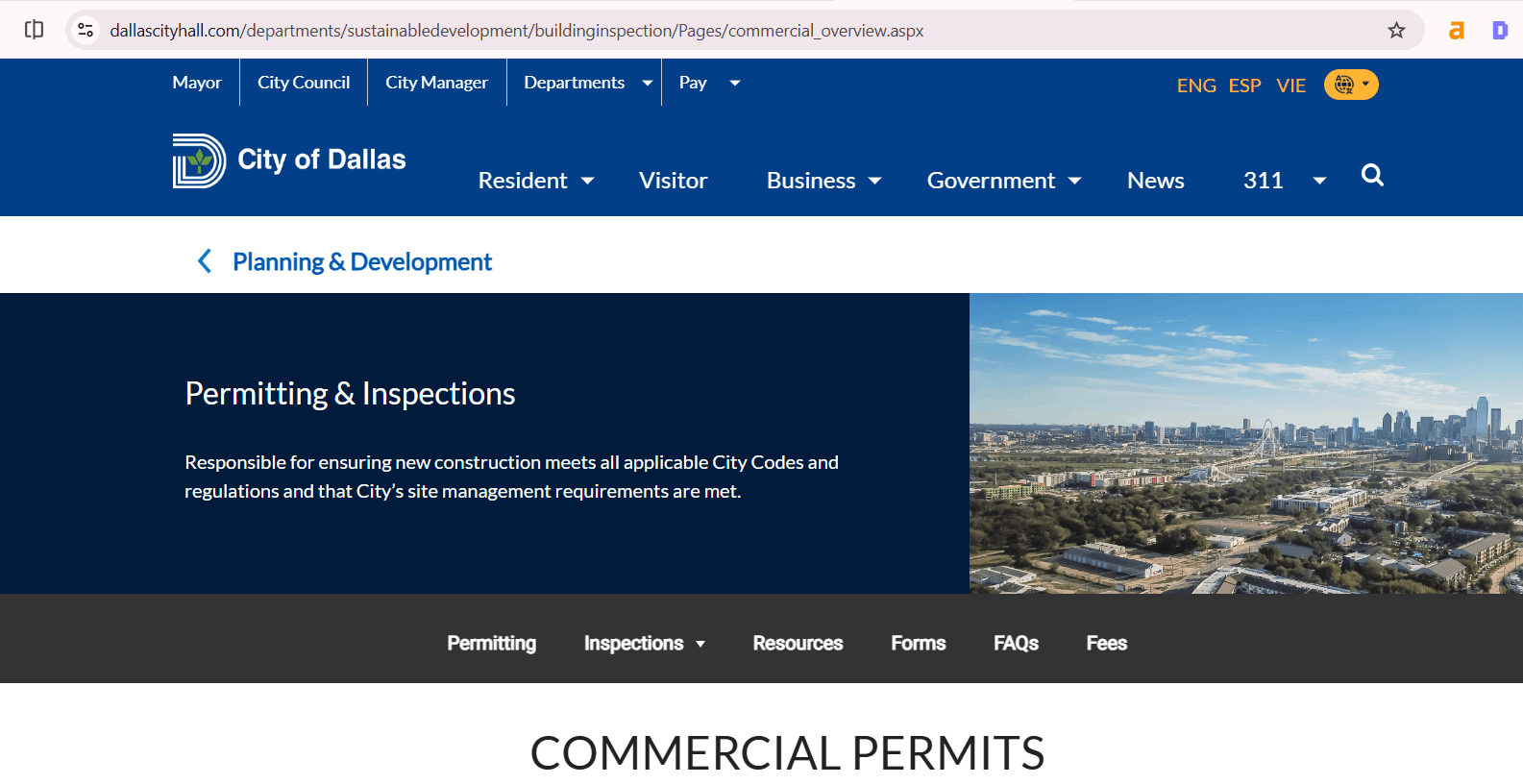
Permits are issued through the Building Inspection Division within the Development Services Department (DSD). Applications are submitted through the city’s online permitting system.
Developers who are unfamiliar with Dallas often underestimate how much zoning can affect project timelines.
What Triggers a Permit in Dallas
Most construction activities require a permit under the Dallas City Code.
Generally, a permit is required when work involves:
Constructing a new building
Expanding an existing structure
Altering structural elements
Repairing building systems
Changing the use of a property
Projects that typically require permits include:
New residential construction
New commercial construction
Tenant improvements
Office and retail remodels
Structural additions
Demolition projects
Sign installation
HVAC work
Electrical work
Plumbing work
Some projects may be exempt.
Examples often include:
However, exemptions vary by property. Historic districts, zoning overlays, and other site-specific conditions can change permit requirements. Always verify requirements before starting work.
How Long Dallas Permits Actually Take
Permit timelines depend on project type, complexity, and review requirements. Residential permits generally move faster than commercial permits. Commercial projects often require multiple departments to review plans before approval. This can significantly increase review times.
Some general patterns include:
Retail and office buildouts often move through review more quickly when plans are complete and code-compliant.
Restaurant and food-service projects usually take longer. Additional reviews may be required for health, fire, and life-safety requirements.
New commercial construction typically takes the longest. These projects often require reviews from zoning, fire, public works, engineering, and environmental departments. The biggest factor affecting permit timelines is not the city itself. It is the quality of the submission. Incomplete plans create delays.
Common issues include:
Each correction cycle can add weeks to the review process.
The Dallas Permit Process
1. Zoning and Site Research
Before design work begins, verify:
Many project delays begin because zoning issues are discovered too late.
2. Pre-Submission Coordination
Dallas offers zoning consultations before formal submission. Although optional, these meetings can help identify potential issues early. For larger commercial projects, this step often saves time and money.
3. Application Submission
Applications are submitted through the city’s online permitting portal.
A complete submission typically includes:
Construction plans
Engineering documents
Supporting reports
Application forms
Required fees
Incomplete applications can stall the review process immediately.
4. Plan Review
City staff reviews the project for code and zoning compliance.
Depending on the project, reviews may include:
If reviewers identify issues, correction comments are issued. Applicants must revise and resubmit plans before review continues.
5. Permit Issuance
Once all departments approve the project, the permit is issued electronically. Construction can begin after permit issuance.
6. Inspections
Permits are only part of the process. Inspections occur throughout construction to verify compliance with approved plans and applicable codes. Failed inspections can lead to delays and additional costs.
Where Dallas Projects Get Stuck
Most permit delays fall into a few common categories.
A proposed use, density, setback, or building height may not match the property’s zoning district. When discovered late, these issues can require redesigns or additional approvals.
Missing information is one of the most common causes of delays. Plan reviewers cannot approve what is not clearly documented.
- Overlay and Special District Requirements
Flood zones, historic districts, and planned development districts often require additional review. These requirements are frequently overlooked during early planning.
- Slow Responses to Corrections
When the city issues comments, the review process pauses until revised plans are submitted. Slow responses can push projects further back in the review queue.
- Multi-Department Coordination
Large projects often require approvals from multiple agencies. One delayed review can hold up the entire permit.
These challenges are common in complex development environments. The key is identifying and addressing them before they become major obstacles.
What This Means for Developers
Permit delays affect more than schedules. They also affect budgets. Every additional week in review can increase:
For developers managing multiple projects, those costs add up quickly. This is where permit expediting can provide value.
An experienced permit expediter understands how Dallas zoning and DSD reviews work in practice. They can identify issues early, improve submission quality, coordinate responses, and help keep projects moving through the approval process.
JDJ Consulting Group provides permit expediting and development consulting services for developers, architects, and property owners. As the firm expands its presence throughout the Dallas-Fort Worth market, it continues to help clients navigate entitlement and permitting challenges with fewer surprises and fewer revision cycles.
If you’re planning a project in Dallas, a permit assessment can help identify potential issues before they affect your timeline.
Frequently Asked Questions
Can I pull my own permit as a property owner in Dallas?
Yes. Property owners can generally obtain permits for their own property. However, licensed professionals are still required for most electrical, plumbing, and mechanical work.
Do I need a permit for a structure under 200 square feet?
In many cases, no. Structures under 200 square feet are often exempt from permitting requirements. However, zoning regulations and site-specific conditions may still apply. Always verify requirements before construction.
How can I check the status of a Dallas building permit?
Dallas provides online permit tracking tools that allow applicants to monitor permit reviews and approval progress.
How is Dallas different from other Texas cities?
The primary difference is zoning. Dallas uses a traditional zoning system with more than 30 zoning districts. Cities such as Houston do not use traditional zoning. Because of this, Dallas projects must satisfy both zoning and building code requirements.
How long is a Dallas building permit valid?
Permit validity depends on the permit type and project activity. Always confirm current expiration and inspection requirements with the Development Services Department.
Bottom Line
Dallas has one of the more complex permitting systems in Texas. Successful projects start with thorough zoning research, complete plan submissions, and proactive coordination throughout the review process.
Developers who understand the system early are far more likely to stay on schedule and on budget. Those who do not often face avoidable correction cycles, redesign costs, and approval delays. The best time to solve permitting issues is before plans are submitted, not after review comments arrive.
Planning a Project in Dallas?
Permit delays can slow construction and increase costs. JDJ Consulting Group helps developers, architects, and property owners navigate Dallas zoning and permitting with fewer surprises and fewer revisions.
Need guidance on your next project? We’re here to help.