The City of Los Angeles’ Small Lot Subdivision Guidelines provide a framework for creating high-quality, context-sensitive infill housing on smaller lots.
This ordinance allows for fee-simple ownership of homes in areas typically zoned for apartments, reducing lot sizes, setbacks, and eliminating standardized open space and guest parking requirements.
Over ten years after adoption, the ordinance was updated to improve compatibility with surrounding neighborhoods and provide enforceable design standards for small lot developments.
This guide summarizes the updated standards, provides examples of successful small lot projects, and explains how builders, architects, and community members can apply the rules to create livable, aesthetically pleasing developments.
Overview of Small Lot Subdivision Ordinance
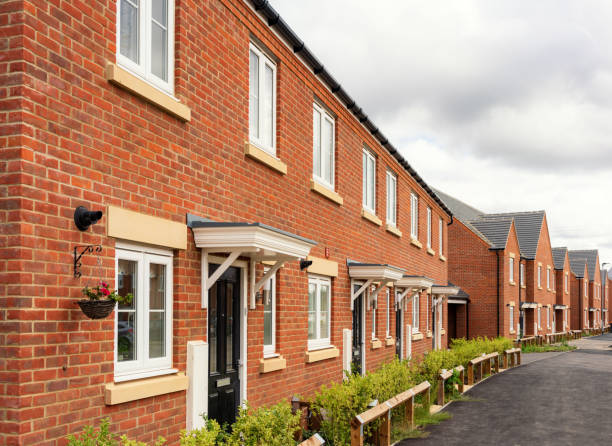
The Small Lot Subdivision Ordinance, first adopted in 2005, introduced a new housing typology to Los Angeles: the small lot home. These homes are positioned as a hybrid between single-family and multifamily housing, offering new homeownership opportunities in areas traditionally dominated by single-family residences or apartment buildings.
Key elements of the ordinance include:
Reduced minimum lot areas
Adjusted setback requirements and passageways
Removal of standardized open space and guest parking requirements
Promotion of infill development as a smart growth alternative
While the ordinance enabled innovative housing solutions, small lot projects initially faced challenges related to spatial planning, neighborhood compatibility, and design uniformity. In response, the 2018 update introduced clear map standards, an administrative review process, and design guidelines to improve project quality and neighborhood integration.
Objectives of the 2018 Update
The update aimed to:
Establish map standards for all small lot subdivisions, administered by City planners.
Introduce an administrative review process ensuring enforceable design compliance.
Adjust incentives for new small lot homes by requiring larger setbacks and reduced maximum lot coverage.
Allow for conversion of existing structures into small lot homes while retaining neighborhood character.
Applying the Design Standards
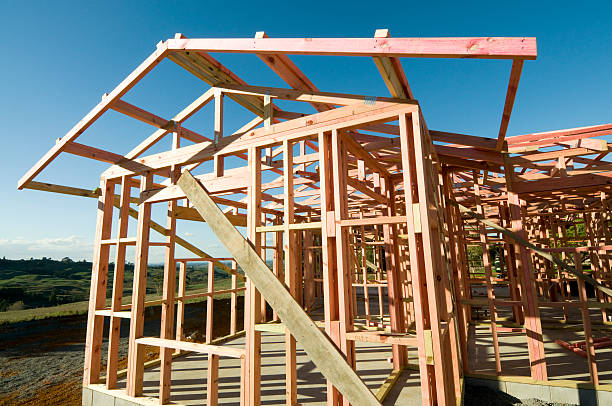
All small lot subdivision projects must comply with the design standards through an Administrative Clearance process, submitted with the tract or parcel map application.
Definition of Project
A “Project” includes:
Construction, reconstruction, rehabilitation, or exterior alteration of buildings
Subdivision of land for small lot purposes
Preservation of existing structures on a single lot
Exclusions (work not requiring administrative review) include:
Re-roofing with no structural changes
Foundation maintenance or repair
In-ground swimming pools permitted by LAMC
Mechanical equipment installation
Roof-mounted solar panels
Exterior lighting
The standards ensure all small lot homes are designed thoughtfully, with consistent attention to orientation, entryways, façades, rooflines, pedestrian access, and landscaping.
Small Lot Design Checklist
The checklist divides design requirements into five main categories:
Building Design
Pedestrian Connectivity and Access
Landscaping
Mixed-Use Small Lots
Bungalow Courts and Existing Structures
Sections A–C apply to all new dwellings.
Sections A–D apply to mixed-use developments.
Section E applies to bungalow courts or existing structures, with new additions complying with Sections A–C.
All designs should be reviewed in conjunction with the General Plan Framework and applicable Community Plans. The Small Lot Ordinance generally supersedes specific plan or overlay district requirements, except where explicitly exempted.
A. Building Design
1. Dwelling Orientation
Small lot homes must maximize visibility and accessibility. Requirements include:
Homes abutting streets or pedestrian pathways must orient primary entryways toward the right-of-way.
Interior homes must orient toward pedestrian pathways connected to the street.
Alley-facing homes must orient toward the alley or a connecting pathway leading to the street.
E. Bungalow Courts and Existing Structures
Maintain existing driveways, pathways, and open space.
Pedestrian pathways ≥3 feet; narrower paths may remain but cannot be reduced further.
Historic structures must comply with Secretary of the Interior’s Standards.
New dwellings must comply with Sections A–C.
Non-built areas must be landscaped and maintained.
Example: Morton Village combines 15 new rear units with 3 remodeled street-facing bungalows, preserving historic charm.
Conclusion
Los Angeles’ Small Lot Design Standards balance density, aesthetics, and livability. Key elements include:
Thoughtful dwelling orientation
Distinct, articulated entryways
Varied façades and rooflines
Clear pedestrian pathways
Landscaped open spaces
These standards ensure small lot projects are visually engaging, context-sensitive, and pedestrian-friendly, providing high-quality infill housing across Los Angeles neighborhoods.
Ready to bring your small lot project to life?
Our expert team at JDJ Consulting can guide you through every step—from planning to execution. Call us at (818) 793-5058, email sales@jdj-consulting.com, or visit our contact page to get started.
Explore more about our services. Let’s make your small lot development efficient, compliant, and successful!
FAQs About Small Lot Design Guidelines
What is a small lot subdivision and why is it used?
A small lot subdivision lets a larger property be split into multiple smaller lots that can each have their own home. It’s used to create more housing in urban areas where land is limited and expensive. Unlike condominiums, each home on a small lot is owned outright (fee‑simple). This helps create affordable housing, better land use, and more homeownership options in cities like Los Angeles.
What are the Small Lot Design Standards?
Small Lot Design Standards are specific rules used to shape how homes on small lots look and function. They cover things like how houses face the street (orientation), where front doors go, how the rooflines are designed, how façades look, landscaping, pedestrian access, and open space. These standards help ensure that small lot homes fit well with the neighborhood and are livable.
Are there design elements that small lot homes must follow?
Yes — all small lot homes must meet design guidelines that improve quality and neighborhood fit. These include:
Front orientation and entry design (easy to find and welcoming).
Façade articulation (interesting exterior materials and details).
Roofline variation and massing changes (break up long walls).
Pedestrian paths and landscaping to create safe, pleasant access.
What types of projects need to comply with these standards?
Almost all new small lot subdivisions must follow the design standards. Whether you’re building a cluster of homes, a mixed‑use building (homes + shops), or converting existing homes like bungalow courts, the appropriate sections of the standards must be met. If you add new homes to an existing structure or court, the standard design sections still apply.
Are any small lot projects exempt from design review?
Some small projects are not subject to design review or Administrative Clearance, especially if the work doesn’t change the outside look or structure. Typical examples include:
Re‑roofing without changing roof shape
Fixing foundations
Installing mechanical equipment
Roof‑mounted solar panels
Exterior lighting
These are generally exempt because they don’t affect the design standards.
Do small lot subdivisions have special map rules?
Yes. Small lot subdivisions in Los Angeles require a special tract map or parcel map for approval. These maps must show easements for utilities and pedestrian/vehicle access, illustrate the site plan, and comply with minimum lot standards. Planning staff review these maps to make sure everything — from driveways to utilities — works well for all future homes. LA Conservancy
How do small lot subdivisions work with General Plans?
Small lot projects must be consistent with the city’s General Plan and any relevant community plans in order to be approved. The Small Lot Ordinance and the Design Standards work with, and in some cases override, other planning documents — unless an overlay or specific plan specifically says otherwise. This ensures new development fits long‑term city goals. Los Angeles City Planning
What is the difference between small lot ownership and condos?
Small lot homes are fee simple — you own the land and the home outright — unlike most condominiums where you own the unit but not the land it sits on. This means small lot owners have more control and usually lower insurance and liability costs. The homes also have separate foundations and walls, so each home behaves like a traditional house even in a clustered setting. Modative
Content courtesy: LA Lot Design Standards