Building a deck can be an exciting addition to your home. It’s a place for family gatherings, weekend barbecues, or quiet evenings outdoors. But before you start, it’s important to understand deck construction permits.
Permits ensure your deck is safe, legal, and built to code. Skipping this step can lead to fines, costly modifications, or even having to tear down your deck. This guide walks you through what a permit is, when you need one, and how to get it.
By the end, you’ll feel confident about the permit process and know exactly what steps to take.
What Is a Deck Construction Permit?
A deck construction permit is official approval from your local building authority that allows you to build a deck on your property.
It shows that your project meets safety standards, zoning rules, and building codes. Permits protect you from legal issues and ensure your deck is safe for long-term use.
Not all decks require a permit. Small, low-to-ground decks often don’t need approval. However, decks attached to your home, raised decks, or large structures almost always require a permit.
Why Permits Matter
Ensures structural safety and code compliance
Protects you from fines or legal problems
Maintains home insurance coverage in case of accidents
Quick Comparison Table
| Deck Type | Permit Needed? | Notes |
|---|
| Small, freestanding, ground-level | Usually no | Check local height restrictions |
| Attached to house or raised | Yes | Always requires inspection |
| Deck with roof or heavy load | Yes | Hot tubs or gazebos included |
| Large surface area (>200 sq ft) | Yes | Structural plans required |
Getting a permit is often easier than people expect. With the right preparation, the process can be straightforward and stress-free.
Why Some Deck Projects Need Permits (And Some Don’t)
Not all decks are created equal. The need for a permit depends on size, height, location, and complexity. Understanding the rules helps you avoid delays and fines.
Typical Triggers for Needing a Permit
Most municipalities require a permit if your deck meets one or more of these conditions:
Attached to your home
Raised more than a certain height (often around 30 inches)
Includes a roof, hot tub, or heavy structural feature
Large or complex design that may impact safety
When a Permit Might Not Be Required
Some decks are simple enough to skip the permit. This includes:
Small, freestanding decks near the ground
Decks under a local height limit (check local code)
Decks that don’t affect property lines or neighbors
Permit Requirements Table by Deck Feature
| Feature | Permit Likely Needed? | Notes |
|---|
| Height above 30″ | Yes | Safety concern for falls |
| Roof or covering | Yes | Adds structural load |
| Freestanding, low deck | No | Typically exempt |
| Large deck >200 sq ft | Yes | Requires structural plans |
Knowing these rules saves time and ensures your project moves smoothly.
Step‑By‑Step: How to Apply for a Deck Permit
Getting a permit might seem intimidating, but it’s mostly about preparation. Collect the right documents, follow the steps, and your application will likely be approved without issues.
Conclusion
Building a deck is exciting, but following the permit process is essential.
Permits ensure your deck is safe, legal, and long-lasting. While preparation may seem detailed, following the steps carefully can make the process smooth.
Key Takeaways
Know whether your deck requires a permit based on size, height, and complexity
Prepare all necessary documents and plans
Submit applications early and pay fees promptly
Schedule and pass inspections in order
With proper planning and attention to detail, you can enjoy a beautiful, safe deck without legal or safety issues.
Local Resources and Tools
Here are some resources to help with deck permits:
Bookmark these resources to make future projects easier.
Ready to Start Your Deck Project?
Don’t let permit confusion slow you down. Our experienced team at JDJ Consulting can guide you through the entire deck permit process, making sure your project is safe, compliant, and stress-free.
Call us today at (818) 793-5058, email us at sales@jdj-consulting.com, or contact us online to get started.
Explore more about our services: Services
FAQs About Permit for Deck Construction
Do I need a permit to build a deck?
Yes. Most municipalities require a deck permit if the deck is attached to your home or is above a certain height. Permits ensure code compliance and proper safety standards. In many areas, even replacement or modifications to an existing deck may still require a permit. Local rules vary, so always check with your building department before construction begins.
What size deck can be built without a permit?
Rules vary by location, but some areas allow small, freestanding decks without a permit if they are:
Less than about 30″ above ground
Smaller than around 200 square feet
Not attached to your house
Even if a permit isn’t required, zoning and setback rules may still apply, so always confirm with your local office.
What documents are needed for a deck permit application?
A complete deck permit application typically includes:
Permit application form
Site plan showing deck location and distances to property lines
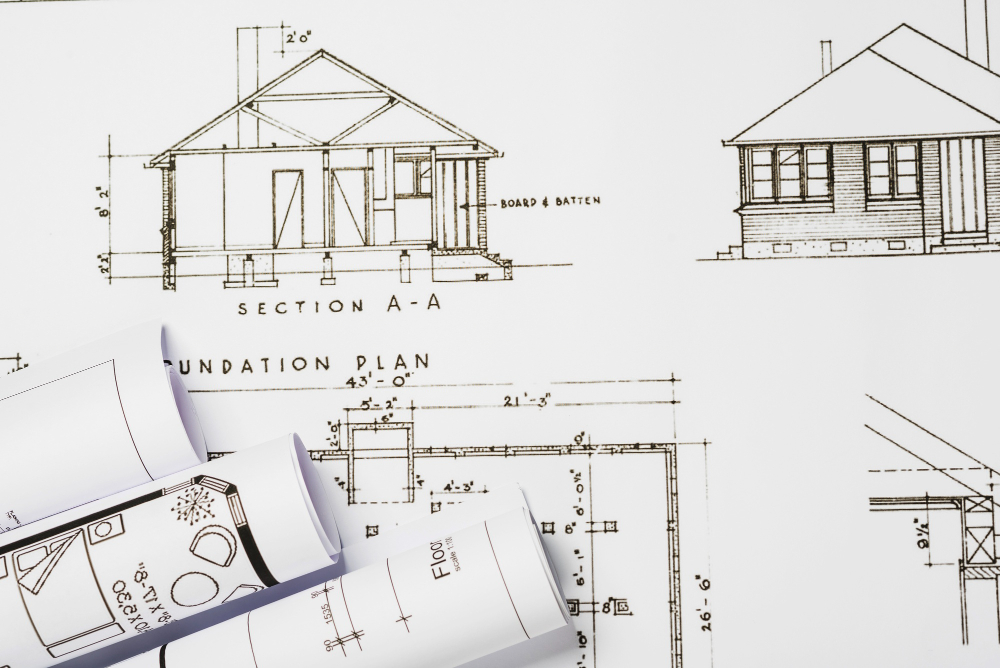
Detailed construction drawings (plan and cross-section)
Contractor license or homeowner declaration
These details help officials review your deck’s safety, placement, and code compliance.
Can I apply for the deck permit myself?
Yes. Homeowners can apply for permits themselves. If you are doing your own work, you are usually considered the contractor. However, using a licensed contractor to apply often simplifies the process and ensures compliance. Some local laws require licensed contractors to pull permits, so check first.
How long does it take to get a deck permit?
Permit timelines vary widely. Some jurisdictions review eligible applications in a few hours or days. More complex plans may take up to several weeks. Seasonal demand can also slow reviews. Preparing complete, clear plans helps reduce review time and avoid back-and-forth revisions.
How much does a deck permit cost?
Costs depend on location, deck size, and complexity. Typical residential deck permits range from roughly $100 to $500 or more. Larger decks, plan reviews, and extra inspections can increase fees. Always check your municipality’s fee schedule or call the building department for exact costs.
What inspections are required after getting a deck permit?
Most deck permits require multiple inspections:
Footing inspection before concrete is poured
Framing inspection before decking is installed
Final inspection after construction is complete
Inspectors ensure the deck’s foundation, structural framing, and guardrails meet code and safety standards.
What happens if my permit application is denied?
If your application is denied, you’ll usually get a reason from the building department. Common issues include incomplete drawings, missing site plans, or zoning violations. Fix the problem, update your documents, and resubmit. Clear, accurate plans and early consultation with permitting staff often prevent denials.
Can replacing or extending an existing deck require a permit?
Yes. Replacing, extending, or modifying a deck often triggers permit requirements. Even small additions like new stairs or railings may need approval. Cities often require measurements and proper drawings for any structural changes to ensure safety and code compliance.
Do zoning rules affect deck permits?
Yes. Zoning rules control where your deck can be placed on your property, how close it can be to lot lines, and other restrictions. Even if a deck is exempt from a building permit, zoning approval may still be necessary. Always check both building and zoning requirements.
What features might require additional permits besides the deck?
Certain deck features may need extra permits:
Electrical permits for built-in lighting or outlets
Plumbing or utility permits
Structural or engineering reviews for hot tubs
Check with your local building department about additional approvals before you start construction.
What is a site plan and why is it needed?
A site plan is a drawing that shows your property lines, house location, and the proposed deck position. It helps officials verify setbacks, easements, and that your deck won’t encroach on restricted areas. Most jurisdictions require a site plan for permit review.
Can permits affect insurance coverage?
Yes. If your deck isn’t permitted and an accident occurs, your homeowner’s insurance may deny claims related to the deck. A permit and passed inspections show the structure was built legally and to code, which supports insurance coverage and liability protection.
Do permits increase the resale value of my home?
Yes. Permitted structures provide documentation that upgrades were built legally and safely. This can make your property more attractive to buyers and appraisers, and reduce complications during inspections or closing. Non-permitted structures can reduce value or create hurdles.
What are setbacks and why do they matter?
Setbacks are required distances between your deck and property lines, roads, or structures. They ensure safety, privacy, and access. Building departments check setbacks on site plans to confirm your deck is positioned correctly before issuing a permit.
Are engineered plans required for all decks?
Not always. Simple residential decks may only need standard drawings. Complex or large decks, or those in specialized zones, sometimes require engineered or architect-sealed plans. Local codes define when professional plans are necessary, so ask your building department.
What happens if I start construction without a permit?
Building without a permit can lead to fines, stop-work orders, and having to tear down work. It may also create insurance and resale issues. Municipalities can enforce compliance retroactively, so it’s best to secure a permit first.
How can I make the permit review faster?
Submit complete, clear drawings and plans the first time. Early communication with permitting staff helps identify specific local needs. Using professional drawings and double-checking requirements reduces revisions and speeds approval.
Can I change my deck plans after approval?
Yes, but you may need to submit revised drawings and pay additional fees. Always notify your building department before making changes to avoid violations or inspection failures. Keep documentation of all revisions on site.
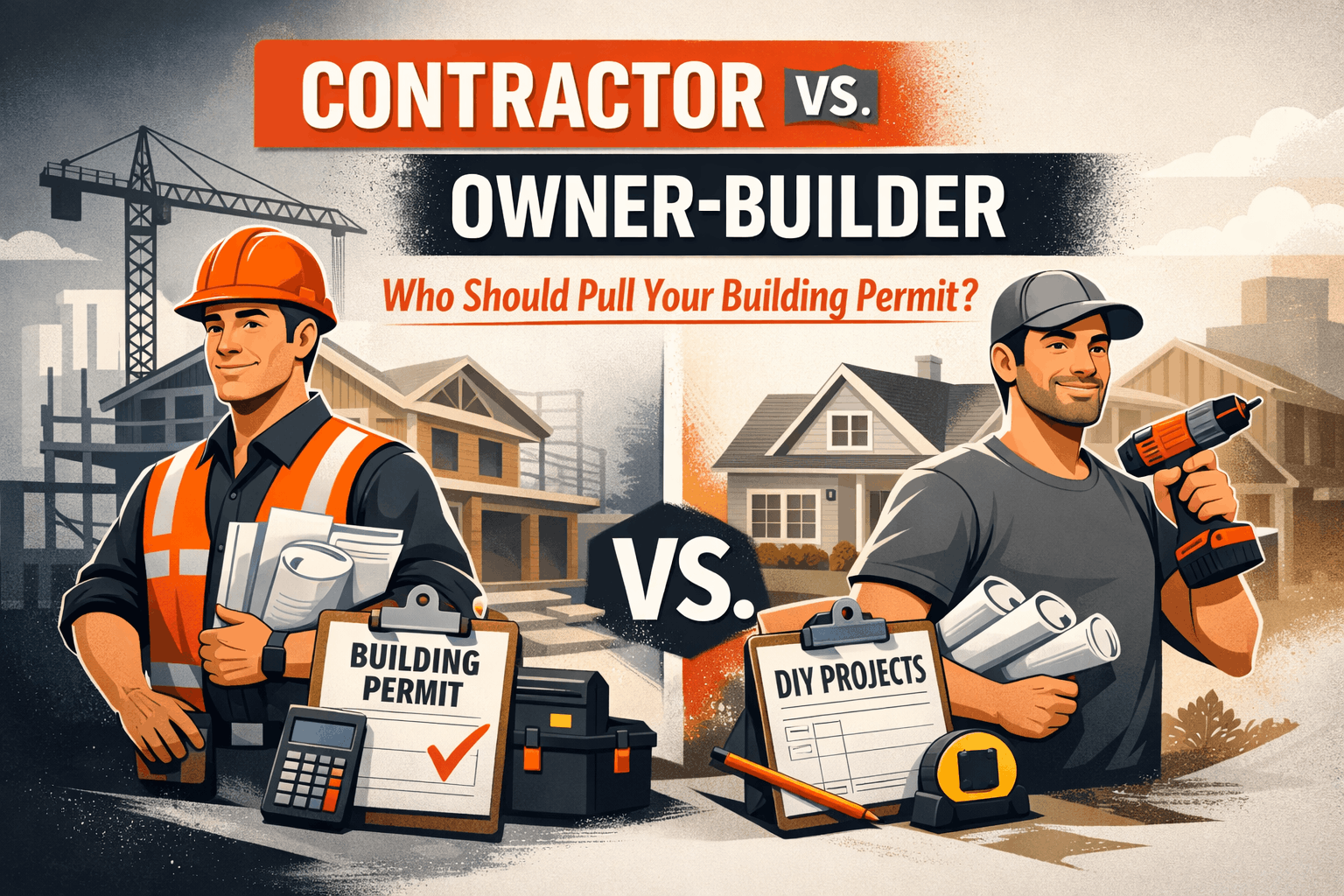
Who is responsible for pulling permits: homeowner or contractor?
Permits can be pulled by either, but professional contractors usually handle the application. If a contractor asks you to pull the permit, make sure they understand local rules. Licensed contractors pulling permits protect both parties and ensure compliance during construction.
What is required to be submitted with my permit for a deck?
When applying for a building permit for a deck, most local permitting authorities require a complete application with these items:
A filled-out permit application form from your Planning Department or building department.
A site plan showing where the deck will sit on your property relative to other structures and property lines.
Building plans or construction drawings showing deck layout, footings, framing, guardrails, stairs, and structural details.
Proof of contractor licensing if you’re using a professional (or a homeowner declaration if you are the property owner pulling the permit).
Any additional documentation that your jurisdiction may require (zoning compliance, setback verification, etc.).
Submitting everything clearly and completely helps your application move through the deck construction permit process without unnecessary delays.
What are the guidelines for building a deck?
Guidelines for deck construction are based on local building standards, zoning rules, and safety codes. Typical rules include:
Minimum guardrail heights and spacing for safety.
Proper footings and foundation requirements.
Correct floor joist layout and beam sizes to support expected loads.
Stairway and landing dimensions that meet code.
Compliance with local setbacks and zoning limitations.
Most building departments base these on a residential code similar to the International Residential Code (IRC). You must follow these standards whether or not a deck permit is required.
Do I need a permit to replace an existing deck?
Yes — in many cases, replacing or modifying an existing deck triggers a permitting requirement. If you are making structural changes, altering its size, or erecting new supports or guardrails, a building permit is usually required just like for new construction. Local codes vary, so contact your building inspector or planning office to confirm.
What types of deck structures require a building permit?
A permit is generally required for decks that are:
Attached to your home.
Raised a certain height above ground (often above about 30 inches).
Larger than a specified size threshold (frequently >200 square feet).
Supporting heavy loads (like hot tubs, roofs, or elaborate built-ins).
Small, freestanding, low decks may be exempt in some jurisdictions, but always check local rules with the Planning Department or building department.
What structural changes may be performed to a deck without a building permit?
Permitted exceptions vary by area, but generally minor cosmetic or maintenance work (like replacing damaged boards, repainting, or small repairs that don’t alter structural components) may not require a permit. Anything that affects the deck’s structural support, size, height, or load capacity likely does require formal approval. Always check local code or ask a building official.
Can I build my own deck?
Yes — homeowners can often build their own deck. If you choose to do so, you may apply for the building permit yourself. In this case, you become the permit holder and are responsible for meeting all code and inspection requirements. Using a licensed contractor to apply and build can simplify the process and help avoid mistakes, but it is not always mandatory.
Does a contractor have to be licensed to build a deck?
In many municipalities, contractors must be licensed to pull permits and perform work. A licensed professional is usually required if you are not the homeowner doing the work yourself. This protects both you and the building department by ensuring credentials and insurance are in order before work begins.
Should I obtain the permit for a deck or have my contractor do it?
Both are possible:
Homeowner pulled permit: You manage the application and inspections yourself. This may save cost but requires careful attention to requirements.
Contractor pulled permit: Most professionals handle the application process, ensure drawings meet code, and coordinate inspections.
If you hire a contractor, a licensed builder pulling the permit can streamline approvals and help avoid zoning and plan issues.
Why Are Permits Necessary for Deck Construction?
Permits are required to:
Confirm the deck meets safety and structural standards.
Ensure compliance with local building code requirements and zoning rules.
Protect your insurance coverage in case of a claim.
Avoid fines, forced removals, or legal issues.
They also help maintain property value and transparency for future buyers.
What Factors Affect the Permit Approval Process?
Key factors include:
Completeness and clarity of submitted building plans and site plans.
Whether deck design meets local setback and zoning regulations.
Accuracy of structural details.
Seasonal workload and plan review backlogs at the Planning Department.
Whether additional permits (electrical, plumbing) are needed.
Incomplete applications are a common cause of delays or denial.
How Long Does It Take to Get a Permit?
The timeline varies widely by location, complexity, and workload:
Some jurisdictions review simple deck permit applications in a few days.
Larger or more complex plans may take several weeks.
In unusual cases (survey issues, zoning complications), it can take even longer.
Submitting complete, accurate documents and following local guidelines speeds up the approval process.