
When buying a property, whether for personal use, investment, or development, there is one crucial step that can determine your success: due diligence. Many people think of it as just inspecting a house or signing papers, but it is much more than that. Due diligence in real estate is a careful review of all aspects of a property before committing to a purchase.
Table of Contents
It is a period where buyers verify the property’s condition, legal status, financials, and potential risks. Taking time for due diligence can prevent costly surprises and help buyers make informed decisions.
This guide will break down what due diligence is, why it matters, and how to approach it. By the end, you will understand its importance and know practical steps to complete it effectively.
Due Diligence Made Simple
Due diligence may sound technical, but it is really just a structured way to check a property carefully before buying it.
Core Steps in Real Estate Due Diligence 📈
It answers simple questions like:
Is the property legally clear?
Are there hidden repairs or structural problems?
Does the investment make financial sense?
Are there zoning or environmental issues that could affect use?
Taking time for due diligence is not just smart; it is essential. Skipping this step can lead to expensive mistakes, delays, or even legal disputes.
Key Benefits of Due Diligence
Here is a simple table showing why due diligence is valuable:
| Benefit | How It Helps |
|---|---|
| Risk reduction | Identifies issues before purchase |
| Financial clarity | Confirms value and potential costs |
| Legal protection | Ensures the property is free of liens or disputes |
| Negotiation leverage | Allows adjustments in price or repairs |
| Confidence | Provides peace of mind for buyers |
Due diligence is also a window of time where buyers can reconsider the deal or negotiate terms based on what they find. It is a chance to ensure the property aligns with your needs, goals, and budget.
Even experienced investors spend weeks on due diligence. For first-time homebuyers, this step can feel overwhelming, but breaking it into parts makes it manageable.
What Does Due Diligence Mean in Real Estate?
In simple terms, due diligence is a thorough investigation of a property before buying it. This includes checking physical condition, legal documents, financial information, and potential risks.

It is not just about inspections. It involves reviewing everything that might affect ownership, future use, or resale value.
Definition of Due Diligence
Legal Review: Confirming the property has a clear title and no hidden claims.
Physical Inspection: Checking the structure, roof, plumbing, and other elements.
Financial Analysis: Ensuring costs, taxes, and income (if applicable) match expectations.
Environmental & Zoning Checks: Making sure there are no hazards or restrictions.
By covering all these areas, buyers reduce the chances of unpleasant surprises later.
When Due Diligence Happens
Due diligence typically occurs after your offer is accepted and before the closing date. This period often lasts 30 to 60 days, depending on the type of property and agreement terms.
Here is a simple table showing what usually happens during the due diligence period:
| Due Diligence Step | Purpose | Typical Timeline |
|---|---|---|
| Home inspection | Check physical condition | 1–2 weeks |
| Title search & insurance | Confirm ownership and liens | 1–3 weeks |
| Appraisal | Verify market value | 1 week |
| Environmental & zoning review | Identify hazards or restrictions | 2–3 weeks |
| Financial review | Confirm taxes, costs, potential income | 1 week |
The period is structured to give buyers enough time to carefully evaluate the property. Each step informs whether to proceed, renegotiate, or withdraw.
By understanding the timing and process, buyers can plan efficiently. They can hire professionals like inspectors, surveyors, or attorneys to ensure nothing is overlooked.
Examples in Real Estate
Residential Property: Checking for roof leaks, plumbing issues, or neighborhood safety.
Commercial Property: Verifying tenant agreements, zoning compliance, and potential environmental hazards.
Investment Property: Reviewing financial statements, rent rolls, and projected returns.
Even simple properties can have hidden challenges. Due diligence allows buyers to spot problems early and make well-informed decisions.
Why Due Diligence Is Critical in Real Estate
Skipping due diligence can be risky. Properties can have hidden costs, legal issues, or structural problems that are not obvious at first glance.
Real Estate Due Diligence Checklist 🧾
- 📌 Property inspection (structural, roof, HVAC, plumbing).
- 📌 Title search and legal review for liens or disputes
- 📌 Appraisal to confirm market value.
- 📌 Environmental and zoning compliance checks.
- 📌 Financial review (taxes, insurance, rental income).
Due diligence helps buyers:
Identify risks early
Make informed financial decisions
Protect legal rights
Negotiate better terms
Gain confidence in the purchase
Common Risks Avoided Through Due Diligence
Structural issues: Leaky roofs, foundation problems, pest damage
Legal problems: Liens, unpaid taxes, boundary disputes
Financial surprises: Hidden maintenance costs, low rental income potential
Zoning conflicts: Limitations on property use, building restrictions
Environmental hazards: Flooding, contamination, mold
Even a small oversight can lead to significant expenses. Performing due diligence ensures buyers know exactly what they are buying.
A Simple Risk Comparison
| Risk Type | Potential Cost if Ignored | How Due Diligence Helps |
|---|---|---|
| Structural | $5,000–$50,000 | Home inspection & specialist checks |
| Legal | Varies, could include litigation | Title search & attorney review |
| Financial | Lost rental income, higher taxes | Review of financial statements |
| Zoning | Unable to use property as intended | Zoning and land-use check |
| Environmental | Cleanup, health hazards | Environmental assessment |
This table shows that investing time and money in due diligence is far cheaper than dealing with problems later.
Due diligence is not optional. For buyers, it is a key tool for protecting investments and making confident decisions.
Core Components of Real Estate Due Diligence
Due diligence covers several areas. Each component helps buyers understand the property fully and avoid unexpected problems. Let’s break them down into legal, physical, environmental, financial, and regulatory checks.

Legal Due Diligence
Legal due diligence ensures the property is legally sound. Without it, buyers could inherit disputes or hidden claims.
Key tasks include:
Title search and title insurance: Confirms ownership history and uncovers liens or encumbrances.
Review of contracts and agreements: Check sales contracts, lease agreements, and any prior commitments.
Verification of compliance: Ensures the property meets local regulations, building codes, and zoning laws.
| Legal Check | Purpose | Why It Matters |
|---|---|---|
| Title Search | Confirm ownership | Prevents future disputes |
| Liens & Claims | Identify unpaid debts | Avoids financial liability |
| Contracts Review | Check agreements | Ensures enforceable rights |
| Compliance | Check codes & permits | Prevents fines or delays |
Legal due diligence often involves a real estate attorney or professional title company. These experts help make sure nothing is overlooked.
Property Condition & Physical Inspection
The property itself is the most visible part, but issues are not always obvious. A physical inspection identifies problems that could cost thousands if ignored.
Key focus areas:
Structure: walls, foundation, roof, and load-bearing elements
Systems: electrical, plumbing, HVAC
Specialist inspections: termites, mold, or asbestos
External elements: landscaping, drainage, and fencing
Tip: Even if a property looks well-maintained, hidden issues like foundation cracks or old wiring can be expensive to fix.
| Inspection Area | What to Check | Potential Issues |
|---|---|---|
| Structure | Roof, foundation, walls | Leaks, cracks, sagging |
| Systems | Electrical, plumbing, HVAC | Faulty wiring, leaks, system failures |
| Specialist | Mold, pests | Health risks, infestation |
| External | Drainage, fences | Flooding, erosion, damage |
Professional inspectors provide detailed reports with photos and repair estimates. These reports are valuable for negotiation or deciding whether to proceed.
Environmental Due Diligence
Environmental due diligence is essential for safety and compliance. It checks for hazards that can affect health, property value, or usability.
Main steps include:
Hazardous materials: Asbestos, lead, chemicals, or fuel storage
Environmental assessments: Phase I or Phase II studies for contamination
Flood and natural hazard risks: Flood zones, erosion, or earthquake-prone areas
Future risks: Climate impact or changes in regulations
Environmental checks are especially important for commercial and industrial properties but can also affect residential areas.
Financial Due Diligence
Financial due diligence ensures the property makes sense economically.
Key checks:
Property taxes and utilities history
Maintenance and operating costs
Rental income and potential revenue for investment properties
Appraisal to confirm market value
A simple financial review can reveal hidden expenses that affect the property’s return on investment.
Zoning, Land Use, and Regulatory Checks
Zoning and regulations control how the property can be used. Violating zoning laws can result in fines or restrictions.
Checks include:
Local zoning classification
Permitted uses and building restrictions
Easements and setbacks
Development or expansion limits
| Regulatory Check | Purpose | Impact if Ignored |
|---|---|---|
| Zoning Laws | Confirm allowable use | Could prevent intended use |
| Easements & Setbacks | Check property boundaries | Limits construction or alterations |
| Permits | Confirm legal approvals | Avoid fines or legal action |
| Land-Use Plans | Future development | Affects property value |
Understanding these rules protects buyers from legal surprises and ensures long-term usability.
Market & Neighborhood Analysis
Even if the property itself is perfect, location matters. Market and neighborhood due diligence evaluates external factors.
Key aspects include:
Local property trends and appreciation rates
Walkability, schools, and amenities
Safety and crime rates
Future infrastructure or commercial developments
This step ensures the investment aligns with lifestyle needs or business goals.
Tip: Visit the area at different times of the day to get a real sense of traffic, noise, and community life.
Due Diligence for Different Real Estate Stakeholders
Not every buyer approaches due diligence the same way. The type of buyer influences what to check, the depth of review, and the priorities. Understanding these differences helps ensure the right focus for each property type.

Homebuyers
For homebuyers, the focus is often on safety, comfort, and future resale value. While some legal and financial checks remain essential, physical inspections usually take center stage.
Key areas for homebuyers:
Structural integrity: foundation, roof, walls
Systems: plumbing, electrical, HVAC
Safety hazards: mold, lead paint, asbestos
Neighborhood analysis: schools, amenities, traffic, safety
Potential resale value: local market trends
Tip: First-time homebuyers should consider hiring a licensed home inspector and a real estate attorney to review contracts and disclosures.
Real Estate Investors
Investors focus on financial returns, property potential, and risk management. The due diligence process is more numbers-driven but still includes physical and legal checks.
Key areas for investors:
Cash flow analysis: rental income vs. expenses
Market trends: appreciation potential and demand
Tenant history: occupancy rates, lease agreements
Repair and maintenance estimates
Tax and insurance obligations
| Investor Check | Purpose | Outcome |
|---|---|---|
| Financial Analysis | Assess ROI | Determines profitability |
| Market Study | Track appreciation | Guides purchase price |
| Tenant Review | Confirm income | Reduces vacancy risk |
| Maintenance Estimate | Plan costs | Avoids surprises |
| Tax Review | Identify obligations | Helps budgeting |
Investors often rely on property managers, financial analysts, and legal advisors to complete a thorough review.
Commercial Buyers
Commercial properties bring additional complexity due to leases, tenants, and operational requirements.
Focus areas for commercial buyers:
Tenant leases and rent schedules
Occupancy rates and lease expirations
Operational expenses: utilities, maintenance, staff
Regulatory compliance: ADA, fire codes, zoning for business use
Environmental and structural reviews
Commercial due diligence often requires specialized consultants, including attorneys, engineers, and environmental experts.
Developers
Developers focus on feasibility and long-term potential. Due diligence includes detailed studies to ensure the property supports the intended project.
Key areas for developers:
Zoning and land-use approvals
Environmental and geotechnical studies
Permits for construction, utilities, and access
Cost estimates for development and infrastructure
Market feasibility: demand, sales, and rental potential
Tip: Developers often hire land planners, surveyors, and environmental consultants to confirm that the project is realistic and profitable.
Summary Table: Due Diligence Priorities by Buyer Type
| Buyer Type | Main Focus | Key Steps |
|---|---|---|
| Homebuyer | Safety, comfort, resale | Home inspection, neighborhood check, contract review |
| Investor | Financial return, risk | Cash flow analysis, tenant review, maintenance estimate |
| Commercial Buyer | Operations, legal compliance | Lease review, occupancy analysis, regulatory checks |
| Developer | Feasibility, profitability | Zoning, permits, environmental studies, market analysis |
Each stakeholder approaches due diligence with specific priorities. While the general steps remain the same, the depth and focus differ depending on property type and investment goals.
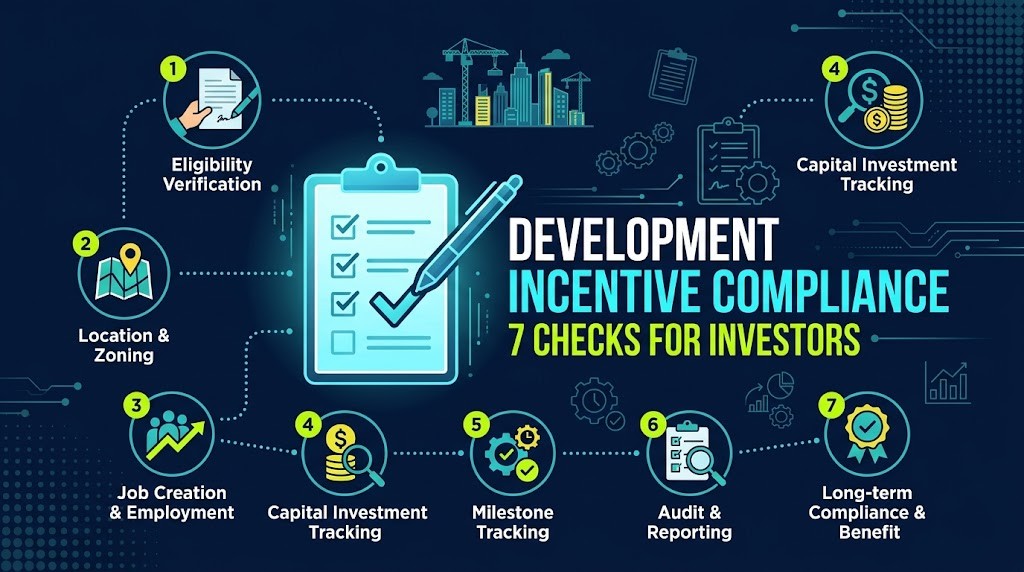
Step‑by‑Step Due Diligence Checklist
A due diligence checklist breaks the process into manageable steps. Following a clear sequence helps buyers stay organized, avoid missing details, and make informed decisions. Whether you are a first-time homebuyer, investor, or developer, a structured checklist is essential.
Step 1: Gather Key Documents
Before any inspections, collect all relevant documents. This ensures you know exactly what you’re reviewing.
Essential documents include:
Property deed and title report
Survey and boundary maps
Homeowners’ association (HOA) disclosures, if applicable
Building permits and inspection records
Lease agreements (for investment or commercial properties)
Tip: Keep all documents in one folder or digital file for easy reference.
Step 2: Conduct Physical Inspections
A professional inspection identifies structural, system, or safety issues.
Hire a licensed home inspector for residential properties.
Consider specialized inspections for pests, mold, asbestos, or HVAC.
Document all findings with photos and repair estimates.
Checklist for Physical Inspection:
Roof and gutters
Foundation and walls
Plumbing and electrical systems
Heating, ventilation, and air conditioning (HVAC)
Windows, doors, and insulation
Exterior elements: driveway, fencing, landscaping
Step 3: Perform Legal and Title Checks
Legal due diligence confirms the property is free from disputes or liens.
Verify ownership and title history.
Check for liens, easements, or unresolved claims.
Review all contracts, sales agreements, and disclosures.
Ensure compliance with local laws and zoning regulations.
Tip: Engage a real estate attorney or title company to guide you through this process.
Step 4: Review Financials
Financial due diligence ensures the property is a sound investment.
Review property taxes, utility bills, and maintenance costs.
Evaluate rental income and potential expenses for investment properties.
Confirm appraisal aligns with market value.
Quick Table: Financial Review Items
| Financial Item | Purpose | Notes |
|---|---|---|
| Property Taxes | Confirm current amounts | Check for unpaid taxes |
| Utility Bills | Understand costs | Average monthly or annual usage |
| Maintenance Expenses | Estimate future costs | Roof, HVAC, plumbing, landscaping |
| Rental Income | Project cash flow | Confirm leases and occupancy |
| Appraisal | Verify market value | Guides purchase price |
Step 5: Environmental and Zoning Checks
Environmental and zoning checks protect against hazards and legal issues.
Confirm flood zones or natural hazard risks.
Check for contamination or hazardous materials.
Review zoning classifications and permitted uses.
Identify any restrictions on future development.
Tip: For commercial or development projects, hire environmental consultants or land-use experts to ensure compliance.
Step 6: Neighborhood and Market Analysis
Location impacts both livability and investment returns.
Analyze local property values and market trends.
Evaluate schools, safety, amenities, and transportation.
Check for planned developments or infrastructure projects.
Tip: Visit the neighborhood at different times to gauge traffic, noise, and overall environment.
Step 7: Make an Informed Decision
After completing the checklist, you can:
Proceed with the purchase confidently
Request repairs or price adjustments based on findings
Walk away if issues are too significant
A step-by-step checklist ensures nothing is overlooked and provides peace of mind before committing to a property.
Complete Due Diligence Checklist Table
| Step | Task | Purpose | Who Can Help |
|---|---|---|---|
| 1 | Gather Documents | Know what you’re reviewing | Attorney, title company |
| 2 | Physical Inspection | Identify structural issues | Licensed inspector, specialist |
| 3 | Legal/Title Checks | Confirm ownership, prevent disputes | Real estate attorney, title company |
| 4 | Financial Review | Ensure investment makes sense | Accountant, financial advisor |
| 5 | Environmental/Zoning | Avoid hazards, check regulations | Environmental consultant, planner |
| 6 | Neighborhood/Market Analysis | Assess location & value | Real estate agent, appraiser |
| 7 | Decision Making | Decide whether to proceed | Buyer, attorney, advisors |
Real Examples – What Can Go Wrong Without Due Diligence
Skipping or rushing due diligence can lead to serious problems. Many buyers focus only on price or curb appeal, only to discover costly surprises after the purchase. Here are real-life examples of what can go wrong when due diligence is ignored.

Structural Problems
Even properties that look well-maintained can hide serious structural issues.
Example: A family bought a house that appeared perfect from the outside. After moving in, they discovered a leaking roof, foundation cracks, and mold in the basement. Repairs exceeded $35,000.
Lesson: A professional home inspection and specialist checks for mold, pests, or roof damage could have revealed these issues before purchase.
Legal and Title Issues
Legal problems can stall a sale or create financial liability.
Example: An investor purchased a commercial property only to find that a previous owner had unpaid property taxes and a lien on the building. The new owner had to pay thousands to clear the title.
Lesson: A thorough title search and legal review protects against hidden claims, liens, or disputes.
Zoning Conflicts
Properties sometimes have restrictions that buyers overlook.
Example: A developer bought a lot intending to build a small commercial complex. After purchase, the city denied the permit because the lot was zoned for residential use only.
Lesson: Zoning checks and permits review are crucial for developers and commercial buyers.
Environmental Hazards
Environmental issues can be costly and dangerous if ignored.
Example: A family purchased a property near a former industrial site. They later discovered soil contamination that required extensive cleanup. The process was expensive, and the property value dropped.
Lesson: Conduct environmental assessments and check flood zones or contamination risks before purchase.
Financial Surprises
Unexpected costs can affect investment returns or personal budgets.
Example: An investor bought a rental property without reviewing maintenance costs. Hidden plumbing issues and high utility bills reduced the expected cash flow by 40%.
Lesson: Financial due diligence, including utility history, maintenance costs, and rental projections, helps avoid unpleasant surprises.
Summary Table: Common Due Diligence Failures
| Type of Problem | Potential Impact | How Due Diligence Prevents It |
|---|---|---|
| Structural | Expensive repairs | Home inspection & specialist checks |
| Legal/Title | Liens, disputes | Title search & attorney review |
| Zoning | Permitting issues | Zoning and land-use review |
| Environmental | Contamination, hazards | Environmental assessment |
| Financial | Reduced ROI, unexpected costs | Budget review & financial analysis |
Key Takeaways
No property is perfect. Every purchase carries risks.
A thorough due diligence process reduces risk and builds confidence.
Professional help is invaluable—inspectors, attorneys, and financial advisors provide expertise.
Skipping steps can cost tens of thousands of dollars, stress, and lost time.
How to Negotiate After Due Diligence Finds Issues
Finding problems during due diligence doesn’t have to stop a deal. Instead, it gives buyers leverage to negotiate fair terms. Knowing how to respond can save money, prevent future headaches, and ensure a smoother transaction.
Step 1: Document All Findings
Keep detailed notes from inspections, legal reviews, and financial checks.
Include photos, reports, and estimates from professionals.
Organized documentation strengthens your negotiating position.
Tip: A professional report carries more weight than informal notes or verbal observations.
Step 2: Prioritize Issues
Not every problem is equally important. Break issues into:
Major issues: Structural defects, title disputes, or environmental hazards
Moderate issues: Repairs or maintenance that affect value but are manageable
Minor issues: Cosmetic changes or small updates
Focusing on major and moderate issues ensures negotiations target meaningful items.
Step 3: Choose Your Negotiation Approach
There are several ways to handle findings:
Request Repairs: Ask the seller to fix issues before closing.
Price Reduction: Lower the purchase price to reflect repair costs or risks.
Repair Credit: Negotiate a credit at closing to cover repairs.
Walk Away: If problems are too significant or risky, you can withdraw from the deal.
Tip: Stay professional and fact-based. Emotional arguments are less effective than documented evidence.
Step 4: Negotiate Using Professional Estimates
Provide quotes from contractors, inspectors, or appraisers.
Highlight potential costs for repairs or remediation.
Sellers are more likely to respond when estimates are specific and credible.
Step 5: Finalize Agreements in Writing
Any negotiated changes should be added to the contract.
Include timelines for repairs, credits, or contingencies.
Ensure legal review before signing to prevent future disputes.
Negotiation Table: Common Issues and Possible Solutions
| Issue Found | Negotiation Option | Notes |
|---|---|---|
| Roof damage | Request repair or credit | Include contractor estimate |
| Plumbing or electrical issues | Price reduction or repair credit | Prioritize safety-related problems |
| Title lien or legal dispute | Require resolution before closing | Work with attorney or title company |
| Environmental hazard | Seller remediation or lower price | Include professional environmental report |
| Cosmetic or minor repairs | Optional credit or repair | Usually not deal-breakers |
Key Tips for Successful Negotiation
Be prepared: Have all documentation ready before talking to the seller.
Stay professional: Focus on facts, not emotions.
Prioritize issues: Concentrate on major and moderate concerns first.
Use experts: Estimates and professional reports carry authority.
Know your limits: Be ready to walk away if the deal is too risky.
Common Misconceptions About Due Diligence
Many buyers misunderstand due diligence. These misconceptions can lead to skipped steps, unnecessary risks, or poor decisions. Understanding the truth ensures buyers get the most value from the process.
1st Misconception: Due Diligence Is Just a Home Inspection
Reality: While inspections are part of due diligence, the process is much broader.
Includes: Legal checks, financial reviews, environmental assessments, zoning, and market analysis.
Skipping any of these areas can lead to costly surprises.
Tip: Treat inspections as one component of a holistic review rather than the entire process.
2nd Misconception: Only Expensive Properties Require Due Diligence
Reality: Every property, regardless of price, can have hidden issues.
Even lower-cost homes or small investment properties may have liens, maintenance issues, or zoning restrictions.
Spending time on due diligence is an investment that saves money in the long run.
3rd Misconception: You Don’t Need Professionals
Reality: Some buyers believe they can handle inspections, legal review, and financial analysis alone.
Expert help is crucial: Inspectors, attorneys, surveyors, and financial advisors provide knowledge that most buyers don’t have.
Relying solely on personal judgment can miss critical details.
4th Misconception: Due Diligence Is Optional If the Seller Is Reputable
Reality: Even trustworthy sellers may not disclose all issues.
A third-party review protects buyers from oversights, errors, or unforeseen problems.
5th Misconception: Once Due Diligence Is Done, Everything Is Guaranteed
Reality: Due diligence reduces risk but cannot eliminate it entirely.
New issues can arise, and inspections have limits.
It’s about informed decision-making, not absolute certainty.
Quick Table: Misconceptions vs. Reality
| Misconception | Reality | Key Advice |
|---|---|---|
| It’s just a home inspection | It’s a multi-step review | Cover legal, financial, physical, environmental, and zoning checks |
| Only expensive properties need it | Every property can have hidden issues | Always perform due diligence |
| Professionals aren’t necessary | Experts catch what buyers may miss | Use inspectors, attorneys, and advisors |
| Reputable sellers mean no problems | Sellers may miss or omit issues | Always verify independently |
| Due diligence guarantees perfection | Reduces risk, not eliminates it | Combine due diligence with contingency planning |
Key Takeaways
Misconceptions often lead buyers to underestimate the process.
Proper due diligence requires a comprehensive, professional approach.
Understanding the truth allows buyers to avoid mistakes, save money, and make confident decisions.

Tools and Resources to Conduct Better Due Diligence
Conducting thorough due diligence can feel overwhelming. Fortunately, there are tools, resources, and professional services that make the process easier, faster, and more accurate. Using them ensures no detail is overlooked.
Typical Due Diligence Timeline ⏱️
| Property Type | Duration |
|---|---|
| Single‑Family Residential | 7–14 days |
| Condos & Townhomes | 10–20 days |
| Multifamily Property | 15–30 days |
| Commercial Property | 30–90 days |
Timeframes vary by contract, complexity, and market — always confirm in your agreement.
Ready for Confident Property Decisions?
Expert due diligence support for buyers, investors, and developers.
1. Professional Services
Hiring experienced professionals is one of the most reliable ways to ensure due diligence is complete.
Real Estate Attorneys: Review contracts, titles, and legal compliance.
Inspectors: Conduct home, structural, and specialist inspections (mold, pests, HVAC).
Surveyors: Confirm property boundaries and easements.
Environmental Consultants: Test for contamination, flood risk, and other hazards.
Financial Advisors or Accountants: Analyze costs, taxes, and investment potential.
Tip: Even if you are an experienced buyer, a professional perspective often catches things you might miss.
2. Digital Tools and Software
Technology can streamline due diligence and organize information efficiently.
Property Search Platforms: Zillow, Redfin, Realtor.com – track comparable sales, market trends, and property details.
Title and Public Record Search Tools: Check ownership history and liens.
Inspection Management Software: Collect reports, photos, and notes in one place.
Financial Calculators: Estimate ROI, mortgage costs, and cash flow for investment properties.
Using tools reduces errors and saves time during the due diligence period.
3. Government and Public Resources
Many public agencies provide free or low-cost information:
County Property Appraiser or Recorder’s Office: Property tax history, deeds, and liens.
City Planning or Zoning Departments: Zoning classifications, permitted uses, and development plans.
Environmental Agencies: Flood maps, contamination records, and hazard assessments.
HOA and Local Associations: Rules, HOA fees, and community information.
Tip: Combining public records with professional advice creates a comprehensive understanding of the property.
4. Checklists and Templates
Pre-made due diligence checklists save time and ensure you don’t miss steps.
Templates for inspections, financial review, and legal evaluation provide structure.
Many real estate platforms, professional associations, and consulting firms offer free or paid templates.
Tip: Use digital checklists to track progress and attach reports for easy reference.
Table: Tools and Resources Summary
| Tool/Resource | Purpose | When to Use |
|---|---|---|
| Real Estate Attorney | Legal review, contract verification | Early in the due diligence period |
| Home/Structural Inspectors | Identify physical defects | During property inspection phase |
| Surveyors | Confirm boundaries, easements | Early stage, before purchase |
| Environmental Consultants | Test for contamination, hazards | For industrial or land properties |
| Property Platforms | Market trends, comparable sales | Throughout the evaluation |
| Financial Calculators | ROI, cash flow estimation | Before finalizing investment |
| Public Records | Tax, zoning, liens | At the start of due diligence |
| Checklists/Templates | Organize all tasks | Entire due diligence process |
Key Tips for Using Tools Effectively
Combine multiple resources: Use digital tools alongside professional services for thorough coverage.
Document everything: Keep a central folder with reports, photos, and notes.
Verify accuracy: Public records can sometimes be outdated—confirm critical details professionally.
Plan your time: Allocate enough time for each step to avoid rushing.
Due Diligence Costs – What to Expect
Due diligence isn’t free. Costs can vary widely depending on property type, location, and the depth of investigation. Understanding typical expenses helps buyers budget effectively and avoid surprises.
1. Home Inspections
A professional inspection is one of the first costs buyers encounter.
Residential properties: $300–$600 on average
Specialist inspections (mold, termites, HVAC, asbestos): $100–$500 per service
Tip: Investing in inspections can prevent repairs that could cost thousands later.
2. Legal and Title Costs
Title search and insurance: $300–$1,500 depending on property value
Attorney fees: $500–$2,500 for contract review and legal checks
Title insurance protects against hidden liens or ownership disputes, making it a worthwhile investment.
3. Appraisal Fees
Appraisals ensure the property is fairly valued.
Typical cost: $300–$600 for residential; $1,000+ for commercial properties
4. Environmental and Specialized Assessments
For some properties, especially commercial or land developments:
Environmental site assessments: $1,000–$5,000+
Flood, soil, or hazard studies: $500–$2,000
Tip: High upfront costs can save tens of thousands by revealing hazards early.
5. Financial Review and Consulting Fees
Accountants or financial advisors may charge $200–$1,000 depending on complexity
Their review ensures the property aligns with your budget and investment goals
6. Total Due Diligence Cost Summary
| Cost Item | Typical Range | Notes |
|---|---|---|
| Home Inspection | $300–$600 | Include specialist inspections if needed |
| Legal & Title | $500–$2,500 | Covers attorney fees & title insurance |
| Appraisal | $300–$1,000+ | Confirms market value |
| Environmental/Specialized Assessments | $500–$5,000+ | Depends on property type and location |
| Financial/Consulting Fees | $200–$1,000 | Optional but recommended for investors |
Tip: Expect due diligence costs to be 1–3% of the property purchase price, depending on complexity.
Key Takeaways
Due diligence costs may seem high but are small compared to potential losses from unexpected problems.
Budgeting for inspections, legal review, and financial analysis is a smart investment.
Knowing expected costs upfront allows buyers to plan, negotiate, and avoid last-minute surprises.
Benefits vs Risks of Due Diligence ⚖️
💡 Benefits
- Risk identification early
- Accurate valuation
- Legal clarity & protection
- Negotiation leverage
⚠️ Risks If Skipped
- Hidden structural problems
- Title or lien disputes
- Zoning or legal surprises
- Unexpected financing or appraisal issues
Conclusion – Make Due Diligence Your Superpower
Due diligence in real estate is more than a step in the buying process—it’s your best tool for making smart, confident decisions.
Whether you are a first-time homebuyer, an investor, a commercial buyer, or a developer, taking the time to review every aspect of a property—legal, financial, structural, environmental, and market factors—can save you from costly mistakes.
Key Takeaways
Due diligence reduces risk: Identifying problems early prevents expensive surprises.
Informed decisions are stronger decisions: Understanding the property fully allows you to negotiate effectively.
Professional help matters: Inspectors, attorneys, surveyors, and financial advisors provide insights most buyers cannot see on their own.
Every property requires due diligence: Even low-cost or “turnkey” properties can have hidden issues.
Documentation is critical: Keep reports, photos, and contracts organized for negotiation or future reference.
Quick Recap Table: Why Due Diligence Matters
| Benefit | How It Helps You |
|---|---|
| Risk Mitigation | Identifies hidden problems before purchase |
| Legal Protection | Confirms title, liens, and compliance |
| Financial Clarity | Confirms costs, ROI, and potential income |
| Negotiation Power | Allows price adjustments, repairs, or credits |
| Peace of Mind | Ensures confidence in the purchase |
Final Thoughts
Due diligence transforms uncertainty into clarity. By following a structured checklist, using professional resources, and addressing issues promptly, you make sure your investment is secure and your goals achievable.
Remember, skipping due diligence may save time upfront, but it often costs far more in the long run. Spending the time, effort, and money now ensures a smoother, safer, and smarter real estate transaction.
Ensure your next property is a smart investment. Call (818) 793-5058 or contact us online for expert guidance through every step of due diligence!
Resources & References
JDJ Consulting Blog – Expert articles on real estate planning and due diligence: https://jdj-consulting.com/blogs/
Zillow Research – Market trends and property analysis: https://www.zillow.com/research/
National Association of Realtors (NAR) – Guides on inspections, contracts, and legal compliance: https://www.nar.realtor/
Environmental Protection Agency (EPA) – Property environmental assessments and hazard info: https://www.epa.gov/
U.S. Census & Local County Records – Property taxes, zoning, and public records: Local government websites