A Residential Construction Permit is a required approval before starting most home construction or renovation projects in the United States. It confirms that your plans meet local building codes, zoning rules, and safety standards. Without it, even a small project can face fines, delays, or legal issues.
Permits are not just paperwork. They directly affect how smoothly your project moves forward. Every city and state has its own rules, timelines, and approval processes. What works in Texas may not apply in California or New York.
For homeowners, permits protect your investment. For developers, they control timelines, costs, and project feasibility. A clear understanding of the process helps you avoid delays and costly revisions.
This guide explains how residential permits work across US states. It breaks down requirements, timelines, and real-world challenges in a simple, practical way.
Table of Contents
Key Development & Permitting Statistics
Over 90% of US cities require permits for structural residential work
Permit delays increase project costs by 10–25% on average
Zoning and permitting issues cause 30% of construction delays
Average residential permit approval takes 2–12 weeks depending on state
What Is a Residential Construction Permit
A residential construction permit is an official approval from a local building authority. It allows you to begin construction after confirming that your plans meet legal and safety standards.
In simple terms, it is a checkpoint. Before any work starts, the city reviews your plans to ensure everything follows code. This includes structure, safety systems, and land use rules.
Most residential projects require permits because they affect how a building functions or how land is used. Even smaller upgrades can trigger permit requirements if they involve technical systems.
Common projects that usually need permits include:
Building a new home or structure
Adding rooms, garages, or extensions
Removing or modifying structural walls
Installing electrical, plumbing, or HVAC systems
Replacing roofs or making major exterior changes
Many homeowners assume permits are only needed for large builds. That is not accurate. In many cities, even moderate changes require approval.
Permits also connect closely with zoning rules. Zoning controls how land can be used. It defines limits like building height, setbacks, and density. If your project does not meet zoning rules, the permit will not be approved.
Skipping permits may seem faster at first, but it often creates bigger problems later. Unpermitted work can delay inspections, reduce property value, and create issues during resale.
Why Residential Construction Permits Matter
Residential permits serve a clear purpose. They protect safety, ensure compliance, and create a structured construction process.
The most immediate benefit is legal protection. If you build without a permit, you risk fines or stop-work orders. In some cases, authorities may require you to remove completed work. This can result in major financial loss.
Permits also ensure that construction meets safety standards. Building codes cover structural strength, fire safety, electrical systems, and more. Inspections at different stages confirm that work is done correctly.
Another key benefit is financial security. Insurance companies often require permitted work. If something goes wrong and the work was not approved, claims may be denied. This puts the entire investment at risk.
Permits also affect property value. Buyers and lenders want proof that construction was completed legally. Missing permits can delay sales or reduce the final price.
Key reasons permits matter:
They keep your project compliant with local laws
They ensure safe and reliable construction
They reduce legal and financial risks
They provide verified inspections at each stage
They support stronger resale value
In major markets like Los Angeles, Austin, and Miami, enforcement is strict. Projects are reviewed carefully, and delays are common if requirements are not met. A well-prepared permit strategy can save weeks or even months.
Overall, permits are not obstacles. They are part of a system designed to protect your project and long-term investment.

Residential Construction Permit Requirements by US States
Permit requirements across the United States follow a similar structure, but the level of complexity varies widely. Each state—and often each city—has its own approval process, timelines, and documentation standards.
Understanding these differences early helps avoid delays and unexpected revisions.
General Nationwide Requirements
Most jurisdictions require a standard set of documents before issuing a permit. These documents allow officials to review the project for safety and compliance.
Typical requirements include:
A site plan showing property layout and boundaries
Architectural drawings with floor plans and elevations
Structural calculations for load-bearing elements
Completed application forms
Licensed contractor details
These documents form the foundation of the review process. If anything is missing or unclear, the application may be delayed or rejected. One of the most common issues is incomplete submissions. Even small errors can trigger review comments and require resubmission.
Key Differences Across States
While the structure is similar, the approval process changes based on location. Some states have stricter regulations, while others focus on speed and flexibility.
California has one of the most detailed processes. Projects often require environmental review and strict zoning checks. This increases approval time but ensures full compliance.
Texas generally offers faster approvals. Many decisions are handled locally, which simplifies the process. However, requirements can vary between cities.
Florida focuses heavily on safety related to weather. Hurricane-resistant construction standards are a major part of the review. This adds steps but improves long-term durability.
New York has a highly complex system. Projects must meet strict zoning rules and pass multiple levels of review. This often results in longer timelines.
Comparison Table: Permit Variations by State
Residential Permit Requirements Comparison Across Major US States
| State | Approval Time | Key Requirement | Complexity Level |
|---|---|---|---|
| California | 4–12 weeks | Environmental review | High |
| Texas | 2–6 weeks | Local-level approvals | Medium |
| Florida | 3–8 weeks | Hurricane safety codes | Medium |
| New York | 6–16 weeks | Zoning compliance | High |
These differences show why a one-size-fits-all approach does not work. Each project needs to be planned based on local requirements. Working with a clear strategy—and the right documentation—can significantly reduce delays, regardless of location.
Step-by-Step Residential Construction Permit Process
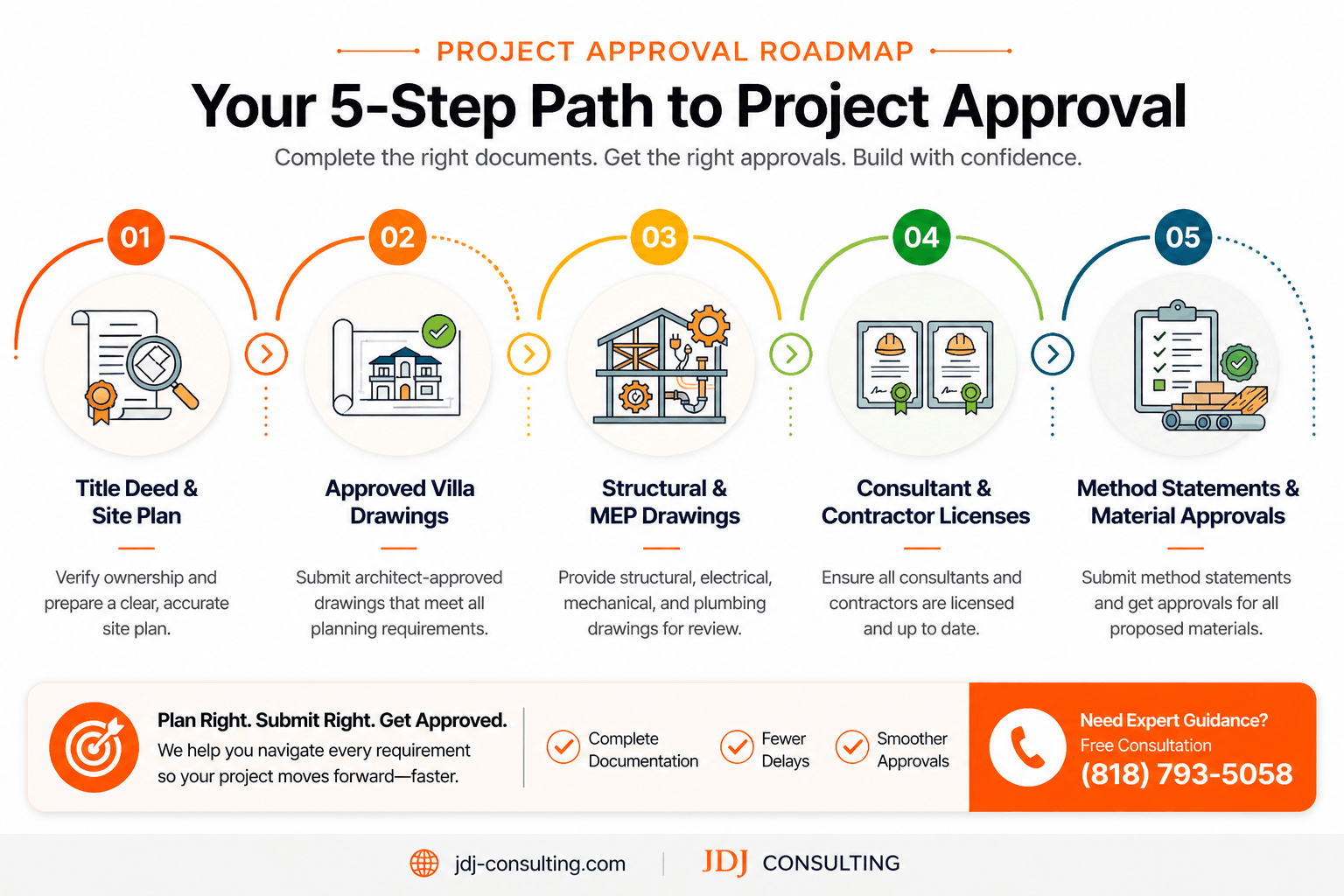
Getting a permit follows a clear sequence. Each step builds on the previous one. Skipping or rushing any stage often leads to delays later. A structured approach helps keep the project on track.
Step 1: Feasibility and Zoning Check
Every project should start with a zoning review. This step confirms what is allowed on the property before any design work begins. It helps you avoid designing something that cannot be approved.
Zoning rules control:
Land use (residential, mixed-use, etc.)
Building height and size
Setbacks from property lines
Density and lot coverage
A quick feasibility check can save weeks of revisions. It also helps identify constraints early, such as easements or overlay zones. Many developers overlook this step and face issues later.
Step 2: Prepare Construction Plans
Once zoning is confirmed, the next step is preparing detailed plans. These plans show how the project will be built and how it meets code requirements.
A complete plan set usually includes:
Architectural drawings (floor plans, elevations)
Structural details and calculations
Electrical and plumbing layouts
Energy compliance documents (in some states)
Accuracy matters here. Poor-quality plans are one of the main reasons for permit delays. Clear, code-compliant drawings reduce back-and-forth with reviewers.
Step 3: Submit Permit Application
After finalizing the plans, the application is submitted to the local authority. Many cities now offer online submission, while others still require in-person filing.
A typical submission includes:
Completed application form
Full set of plans
Supporting reports (if required)
Application fees
At this stage, the project enters the official review process. Timelines vary depending on the city and project complexity.
Step 4: Plan Review and Corrections
During review, city officials check the plans for compliance. This includes zoning, building codes, and safety standards. Most projects receive comments or corrections.
Common review comments include:
Missing details in drawings
Code compliance issues
Zoning inconsistencies
Structural clarification requests
Applicants must revise and resubmit the plans. This cycle may happen more than once. Faster responses to comments can significantly reduce approval time.
Step 5: Permit Approval and Issuance
Once all comments are resolved, the permit is approved. At this point, final fees are paid, and the official permit is issued.
The permit typically includes:
Approved plan set
Inspection schedule
Conditions of approval
Construction can begin only after the permit is issued. Starting work earlier can result in penalties.
Step 6: Inspections and Final Approval
Inspections are required at different stages of construction. These ensure that work matches the approved plans.
Common inspection stages include:
Foundation inspection
Framing inspection
Electrical and plumbing checks
Final inspection
After passing all inspections, the project receives a certificate of occupancy or completion. This confirms that the building is safe and ready for use.
Need help navigating permits faster? JDJ Consulting Group offers expert permit expediting, feasibility analysis, and entitlement strategy. Call (818) 793-5058 or email sales@jdj-consulting.com for a free consultation.
Cost of Residential Construction Permits
Permit costs vary based on project size, location, and complexity. While smaller projects may cost a few hundred dollars, larger developments can reach several thousand.
Costs are not just a single fee. They include multiple components tied to review, approvals, and inspections.
Typical Cost Breakdown
Most permit costs fall into these categories:
Application fees charged during submission
Plan review fees based on project size
Impact fees related to infrastructure use
Inspection fees during construction
Some cities also include additional charges for zoning reviews or environmental checks. These vary widely by location.
Average Costs by Project Type
Estimated Residential Permit Costs by Project Type
| Project Type | Cost Range |
|---|---|
| New Home | $1,000–$5,000+ |
| Renovation | $200–$2,000 |
| Additions | $500–$3,000 |
These are general estimates. In high-demand cities, costs may be higher due to additional requirements or fees.
It is important to include permit costs in early budgeting. Many projects face financial pressure because these costs were underestimated. Planning ahead helps avoid surprises.
Common Challenges in Getting Residential Permits
The permit process often looks simple on paper but becomes complex in practice. Many projects face delays due to avoidable issues.
One of the most common challenges is incomplete documentation. Missing details in plans or applications can stop the review process. Even small gaps may require resubmission.
Zoning conflicts are another major issue. If a project does not align with zoning rules, approval may be denied or delayed. This often requires redesign or special approvals.
Other frequent challenges include:
Long approval timelines in high-demand cities
Code compliance issues in design plans
Changes requested by reviewers
Neighborhood or HOA restrictions
Communication also plays a role. Delays often happen when responses to review comments are slow or unclear. Quick and accurate revisions help move the process forward.
Understanding these challenges early allows better planning. It reduces risk and improves overall project efficiency.

Cost of Permit Delays in Residential Construction
Permit delays can have a significant financial impact. Even a few weeks of delay can increase project costs and disrupt schedules. Labor costs are one of the biggest factors. Contractors often schedule work in advance. Delays can lead to rescheduling or higher rates. Material costs are another concern. Prices can fluctuate during delays, especially in volatile markets. This affects overall project budgets.
Other impacts include:
Extended project timelines
Increased financing costs
Delayed occupancy or rental income
Reduced investor confidence
Delays also affect coordination between teams. Contractors, suppliers, and consultants must adjust schedules, which adds complexity. A proactive permit strategy helps reduce these risks. Early planning and accurate submissions are key to avoiding delays.
Zoning and Entitlement Challenges
Zoning and entitlement issues are closely tied to the permit process. They determine whether a project can move forward before construction even begins.
Zoning rules define how land can be used. They control factors like building height, density, and setbacks. If a project does not meet these rules, it may require adjustments or special approvals.
Common zoning challenges include:
Restrictions on building size or height
Minimum setback requirements
Limits on property density
Environmental or historical overlays
Entitlement approvals may be required for projects that do not fully comply with zoning. These approvals often involve public hearings and additional review.
This stage can be time-consuming. It requires careful planning and a clear understanding of local regulations. Many developers seek expert guidance at this point to avoid costly mistakes.
When to Hire a Permit Expediting Consultant
Not every project requires outside help, but complex projects often benefit from professional support. Permit expediting consultants specialize in navigating local approval systems. They help streamline the process by managing submissions, responding to comments, and coordinating with agencies.
Hiring a consultant is useful when:
The project involves complex zoning issues
Timelines are tight and delays are costly
Multiple permits are required
The developer is unfamiliar with local regulations
Consultants also help reduce errors in applications. Their experience improves the chances of faster approvals.
For developers working across multiple states, this support becomes even more valuable. Each location has different requirements, and local expertise can save time and resources.
Conclusion
Understanding the Residential Construction Permit process is essential for any successful residential project. While requirements vary across US states, the core steps remain consistent. Planning, accurate documentation, and timely responses play a critical role in avoiding delays.
Permits are not just a regulatory step. They shape timelines, costs, and long-term property value. Projects that start with a clear permit strategy tend to move faster and face fewer complications.
Whether you are building a new home or planning a renovation, taking the time to understand local requirements can save significant time and money. A structured approach ensures smoother approvals and better project outcomes.
Planning a residential project? JDJ Consulting Group can guide you through permits, zoning, and approvals. Call (818) 793-5058 or email sales@jdj-consulting.com for a free consultation.
FAQs About Residential Construction Permit
What is a residential construction permit?
A residential construction permit is an official approval issued by a local authority before construction begins. It confirms that the proposed work meets building codes, zoning laws, and safety standards. Most structural, electrical, and plumbing work requires a permit.
The process typically involves submitting plans, paying fees, and passing inspections. Permits ensure that construction is safe and legally compliant. They also create a record of approved work for future reference.
Without a permit, property owners may face fines, legal issues, or problems during resale. Buyers and lenders often require proof that all work was properly permitted and inspected.
How long does it take to get a permit?
Permit timelines vary depending on location, project size, and complexity. In many areas, simple projects may be approved within two to four weeks. Larger or more complex developments can take several months.
Factors that affect timelines include:
Completeness of the application
Local workload and backlog
Zoning or environmental reviews
Required revisions during plan review
Fast approvals depend on accurate submissions and quick responses to comments. Delays often occur when applications are incomplete or require multiple revisions.
Do all states require permits?
Yes, all US states require permits for most types of residential construction. However, the specific rules and processes vary by city and county. Local authorities manage permit approvals rather than the state government.
Some minor repairs may not require permits, but structural, electrical, and plumbing work usually does. It is always important to check local requirements before starting any project.
Failing to obtain the correct permit can result in fines or stop-work orders. It may also create complications during inspections or property transactions.
What happens if I build without a permit?
Building without a permit can lead to serious consequences. Local authorities may issue fines, stop-work orders, or require the removal of completed work. In some cases, the project must be redesigned and resubmitted.
Unpermitted work can also affect property value. Buyers may request corrections or reduce their offer. Lenders and insurance companies may refuse coverage for non-compliant construction.
To avoid these risks, it is best to secure all required approvals before starting work. This ensures a smoother process and protects your investment.
How much does a residential permit cost?
Permit costs vary based on project type, size, and location. Small projects may cost a few hundred dollars, while larger developments can exceed several thousand.
Typical cost components include:
Application and filing fees
Plan review charges
Inspection fees
Impact or development fees
Costs are usually higher in major cities due to additional requirements. It is important to include permit fees in your project budget from the beginning.
Can I apply for a permit myself?
In many cases, homeowners can apply for permits themselves, especially for small projects. However, more complex projects often require licensed professionals or contractors.
Applying on your own requires a clear understanding of local codes and submission requirements. Mistakes in the application can lead to delays or rejections.
For larger projects, working with professionals can save time and reduce errors. They help ensure that plans meet all necessary standards before submission.
What documents are required?
Permit applications typically require several key documents. These help authorities review the project for safety and compliance.
Common requirements include:
Site plans and property layout
Architectural drawings
Structural calculations
Completed application forms
Contractor license information
Some projects may also require additional reports, such as environmental or energy compliance documents. Requirements vary by location.
What is permit expediting?
Permit expediting is a service that helps streamline the approval process. Consultants manage submissions, coordinate with agencies, and respond to review comments.
This service is especially useful for complex projects or tight timelines. It reduces delays by ensuring that applications are complete and accurate.
Expeditors also understand local processes, which helps avoid common mistakes. Their involvement often leads to faster approvals and smoother project execution.
Why do permits get rejected?
Permit applications are often rejected due to incomplete or incorrect information. Missing details in plans or forms can stop the review process.
Other common reasons include:
Non-compliance with zoning rules
Code violations in design plans
Lack of required documentation
Conflicts with local regulations
Careful preparation and review before submission can reduce the risk of rejection. Addressing comments quickly also helps move the process forward.
Are inspections mandatory?
Yes, inspections are a required part of the permit process. They ensure that construction work follows approved plans and meets safety standards. Inspections typically occur at different stages, such as foundation, framing, and final completion. Each stage must pass before moving to the next.
Failing an inspection may require corrections and reinspection. Completing inspections successfully is necessary to receive final approval or occupancy certification.
What is zoning approval?
Zoning approval determines whether a project is allowed on a specific property. It focuses on land use, building size, and placement.
Zoning rules may include:
Height restrictions
Setback requirements
Density limits
Land use classifications
If a project does not meet zoning rules, additional approvals may be required. This can extend the timeline and increase complexity.
Can permit timelines be reduced?
Yes, permit timelines can often be reduced with proper planning. The most effective approach is submitting complete and accurate documents from the start.
Other ways to speed up the process include:
Responding quickly to review comments
Working with experienced professionals
Understanding local requirements in advance
While not all delays can be avoided, a proactive approach can significantly improve approval speed.