
Table of Contents
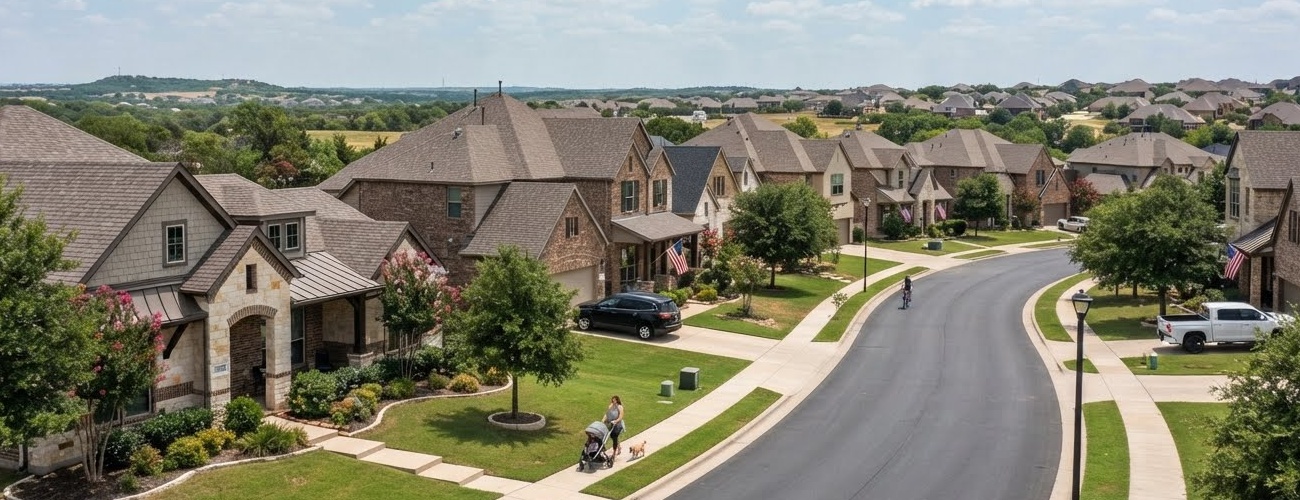
Altadena is rebuilding twice. Once, house by house, for the families who lost everything in the fire. And again, lot by lot, in a slower and less visible way, as a handful of state housing laws quietly rewrite what “single-family neighborhood” even means in this stretch of unincorporated Los Angeles County.
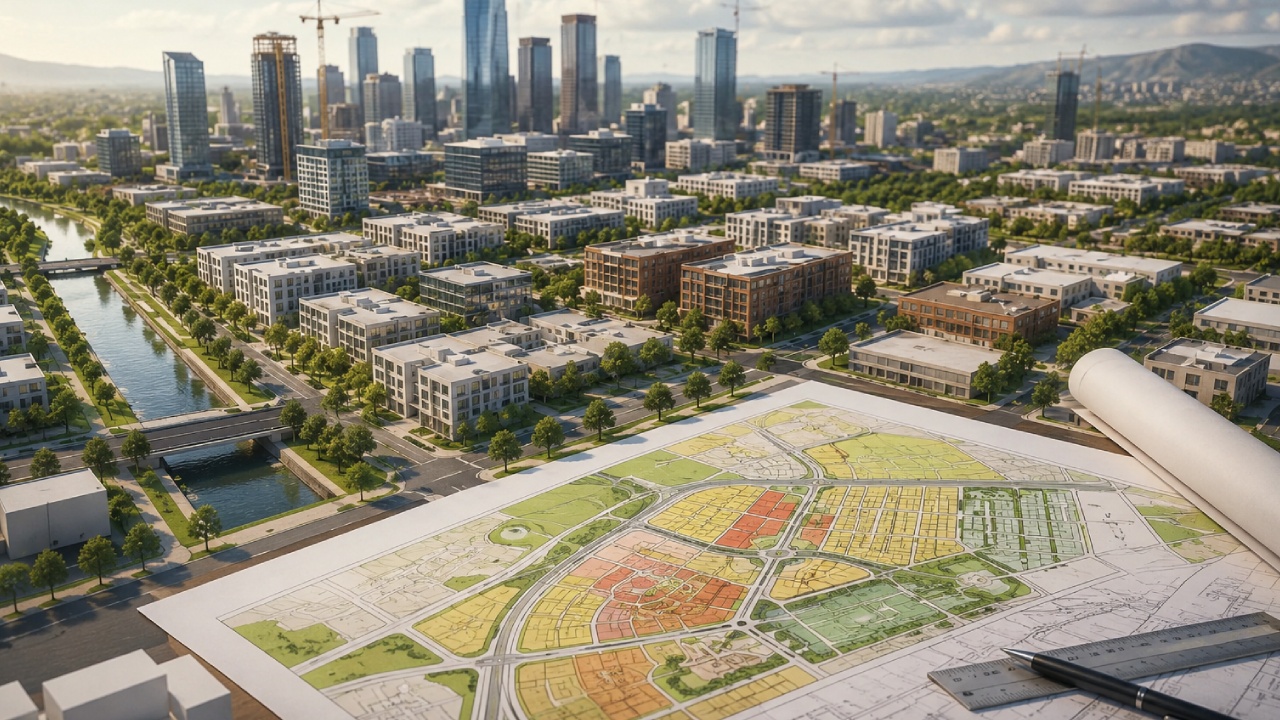
The term for it is gentle density: 2 to 10 unit projects placed on parcels that used to hold one house and nothing else. No high-rises, no towers, nothing that would look out of place from the street. Just more roofs on the same footprint of land, built through a handful of state laws that were designed to move fast and skip the usual public hearings. In a community still counting its losses, that combination of opportunity and speed is drawing developers, dividing neighbors, and testing exactly how much change a fire-scarred hillside town is willing to absorb.
Where the Friction Lives
The technical process is only half the story. The harder half is political and financial.
A pending bill, SB 1090, nicknamed the “Keep Altadena Lands in Altadena Hands Act,” proposes a five-year moratorium on SB 9 and SB 1123 ministerial approvals within Altadena’s 91001 and 91003 ZIP codes, covering applications submitted between January 2025 and January 2030, with exceptions for vested property rights. For anyone underwriting a pipeline of small-lot projects, that is not a minor footnote. It is a scenario that needs to be priced into every pro forma right now, not discovered later.
Community sentiment adds another layer. Town halls in the burn zone have surfaced real anxiety about gentrification and the erosion of neighborhood character, even as roughly half of vacant lots sold since the fire have gone to developers and LLCs. Many of those lots still sit without permits filed, a gap between acquisition and actual construction that says as much about market caution as it does about opportunity.
Architects face their own version of the tightrope: staying inside objective standards, such as 4-foot side and rear setbacks and 16-foot height limits for smaller units, keeps a project on the fast ministerial track. Step outside those lines and the project falls into a slower, more scrutinized lane. Contractors, meanwhile, are managing utility coordination, separate addressing for fire and emergency access, and permit fees running $8,000 to $16,000 before a single wall goes up, on top of construction costs that remain volatile across the region.
Where the Opportunity Is Concentrated
Activity is heaviest in the fire-impacted neighborhoods themselves. More than 200 SB 9 applications and over 20 SB 1123 applications have already been filed in Altadena, much of it homeowners and investors converting burned lots into 2 to 10 unit projects rather than rebuilding a single house.
Vacant R1 lots are the other hot spot, particularly those near infrastructure corridors like Foothill Boulevard and Lake Avenue, where sewer, water, and power are already in place and can absorb additional units without major site work. Hillside overlays and septic-dependent parcels remain the clearest constraints, along with the community resistance that shows up whenever a multi-unit proposal lands in front of a burn-zone town hall.
The Incentives Worth Knowing About
The County has built in real support for this kind of rebuild. The LA County ADU Grant Program has committed $3.8 million to fire-impacted areas, expected to help 35 to 50 households through a partnership with SGV Habitat for Humanity, though the funding carries a 10-plus year affordability requirement worth weighing against rental income projections. Fee waivers and refunds may apply for owner-occupants, and pre-approved plan sets can shave meaningful time off design and plan check.
On the process side, the 60-day statutory review clock, a CEQA exemption for qualifying gentle density projects, and the ability to build and occupy a standalone unit before the primary home is rebuilt, with occupancy allowed through 2030, all work in a developer’s favor if the paperwork is right the first time. Interest-free gap financing through select nonprofits rounds out a support system that, on paper, makes gentle density one of the more financeable rebuild strategies available in Altadena right now.
The Real Variable Is Timing, Not Zoning
None of this changes the fact that gentle density in Altadena is a moving target. The zoning math works. The financing tools exist. What is genuinely uncertain is the political runway, specifically whether SB 1090 passes and freezes ministerial approvals for five years, and how much of that risk gets absorbed by projects that are already in the pipeline versus those still on the drawing board.
That is precisely the kind of terrain where sequencing, documentation, and entitlement strategy separate a project that clears in 12 weeks from one that stalls for a year. JDJ Consulting has been working directly on fire rebuild entitlements in Altadena and the Palisades, and has laid out a detailed breakdown of what that process looks like on the ground in our Altadena and Palisades wildfire rebuild guide. For developers, architects, and investors weighing whether a specific lot is a gentle density candidate, that on-the-ground read of feasibility, before a single plan is drawn, is often the difference between a project that pencils and one that doesn’t.
If you’re evaluating a parcel in Altadena, whether it’s an SB 9 duplex, an SB 1123 ten-unit build, or an SB 684 small-lot subdivision, the details of your specific lot (zoning overlay, fire hazard designation, existing utility access, and timing relative to SB 1090) will determine which pathway actually works and how fast it can move. JDJ Consulting advises developers and property owners on exactly this kind of entitlement strategy across fire-impacted Los Angeles County.