Table of Contents
Here’s the thing most out-of-market developers get wrong about Tampa: they assume attainable single-family housing requires wading through a political entitlement process. It usually doesn’t. Most detached homes on individually platted lots in the city’s RS-50 and RS-60 zoning districts move ministerially, meaning no City Council hearing, no discretionary vote, as long as the project complies with Tampa’s Land Development Code and Comprehensive Plan. That one fact quietly determines how the rest of the process plays out. Speed to market has less to do with winning political favor and more to do with how well a project is documented and sequenced before it ever lands on a plan reviewer’s desk.
For architects, developers, and investors sizing up Tampa Bay, the variables that actually matter are lot geometry, impact fee exposure, subsidy eligibility, and how much entitlement risk a particular neighborhood carries. We’ll walk through each of those, point to where attainable single-family construction is already concentrated, where the next window is opening, and which incentive programs are worth the paperwork.
What “Attainable” Actually Means Here
Ask five people in Tampa what “attainable housing” means and you’ll get five slightly different answers, but the City’s definition is the one that matters for permitting purposes. It generally refers to homes priced within reach of households earning between 80 and 140 percent of Area Median Income. The City’s Housing and Community Development department (HCD) certifies that affordability, and that certification is the gatekeeper for everything downstream: expedited review, impact fee reimbursement, SHIP financing. Skip the certification step and none of it applies, even if the finished home would have qualified on paper.
How the Entitlement and Permitting Process Actually Works
Start With Zoning, Not Design
The instinct on a new site is to start sketching. Resist it. The critical path runs through zoning verification first: confirming the parcel’s designation, checking for overlays like historic districts, flood zones, or evacuation areas, because any of those can pull a by-right project into discretionary territory before a single line gets drawn.
The two zoning districts that carry most of Tampa’s attainable single-family stock:
- RS-50: 5,000 square foot minimum lot, 50-foot width. Front setback 20 feet, side 5 feet under certain conditions, rear 20 feet. Lot coverage tops out around 45 percent.
- RS-60: 6,000 square foot minimum lot, 60-foot width. Front setback 25 feet, side 7.5 feet, rear 20 feet. Coverage caps closer to 40 percent.
Both allow a side-yard adjustment that offsets parking when the garage isn’t facing the street, which matters more than it sounds on a narrow infill lot where every foot of buildable envelope counts. Impact fees, utility capacity, and SHIP eligibility should all get confirmed at this stage too, before anyone’s committed to a design
When You Actually Need an Entitlement
Most infill single-family homes never touch discretionary review. It only comes into play with a zoning or land use change, a variance from setback or coverage standards, a special use approval, or a lot split that requires platting. Variances run through Tampa’s Development Coordination Office, where staff weigh hardship and neighborhood compatibility, which is a nice way of saying the outcome isn’t guaranteed and the timeline isn’t either.
If there’s one piece of advice worth repeating to architects on these projects: design to code minima from day one. Chasing a variance later is almost always the slower, less predictable route.
Getting Through Plan Review
Submissions run through Tampa’s e-permitting portal. Projects HCD has flagged as affordable get bumped up in priority at every review stage. That doesn’t guarantee approval, it just means the file moves faster through the queue.
Ministerial single-family permits often turn around in a few weeks. Add a flood zone, an energy code wrinkle, or a variance to the mix, and six to eight weeks (sometimes longer) is more realistic. From there it’s the standard sequence: foundation, framing, MEP rough-ins, final inspection, Certificate of Occupancy.
The Part Developers Forget: Post-Permit Compliance
The subsidy isn’t locked in at permit issuance. It’s earned at closing, and only if the home sells to an income-eligible buyer at or below the City’s maximum sales price, with a covenant or Land Use Restriction Agreement recorded for the affordability period. This is the step that trips up more pro formas than any zoning issue. Build the compliance mechanics into the deal structure early, not after the home is already under contract.
The Hurdles Look Different Depending on Where You Sit
Developers are fighting land scarcity and lot assembly headaches across Tampa’s fragmented infill parcels, where title issues, heir property, and easements can drag an acquisition out for months. Construction costs keep squeezing margins at attainable price points, and getting anywhere near a historic overlay raises the odds that even a minor deviation triggers discretionary review and an organized round of neighborhood objections.
Architects are boxed in by the math on narrow RS-60 lots, where a 25-foot front setback and a 40 percent coverage ceiling force garage placement decisions early and often dictate the whole massing strategy. Flood and evacuation zone requirements pile on elevation, opening, and material specs that add cost and design complexity. ADU rules, with their unit size caps and owner-occupancy conditions, introduce their own feasibility tradeoffs on infill sites.
General contractors deal with resubmittals that stall mobilization even on expedited files, plus trade capacity that tightens up during busy stretches, lengthening lead times for foundations, trusses, and MEP work.
Investors and lenders run into appraisal gaps more often than they’d like, where attainable sale prices fall short of what’s needed to support the construction loan without layering in subsidy. Absorption risk is real in submarkets already carrying heavy new single-family inventory. And there’s a policy wrinkle worth watching: Tampa’s ongoing Land Development Code rewrite, known locally as Tampa Forward, could shift setback, tree preservation, and landscaping standards between the time a project is conceived and the time it’s permitted.
Where the Market Is Already Saturated
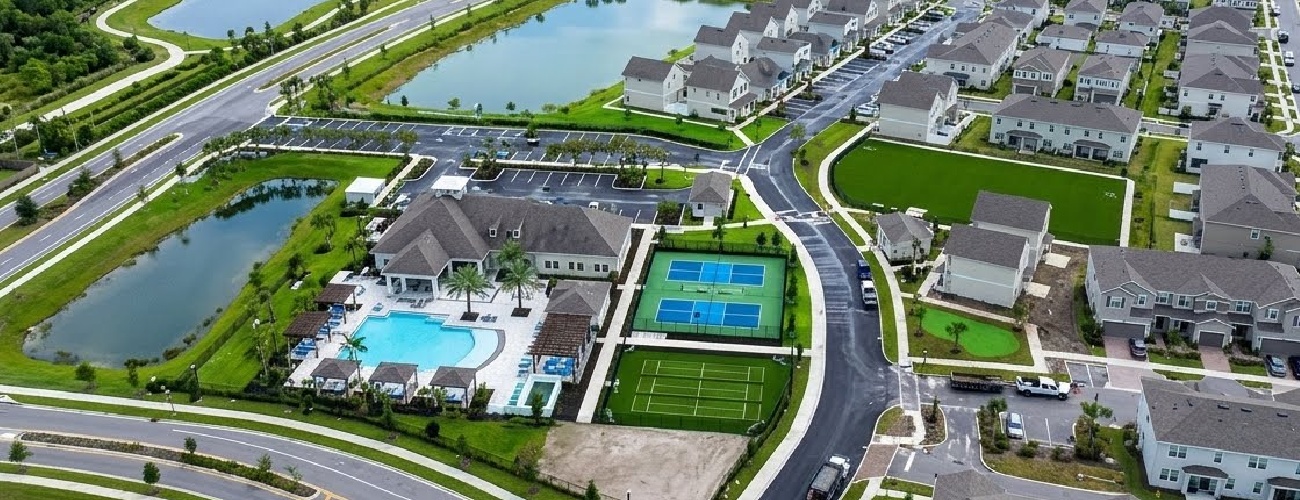
New single-family construction in Tampa Bay clusters heavily around master-planned communities on the urban fringe. Wesley Chapel and the broader New Tampa corridor carry some of the heaviest inventory and most aggressive builder competition in the region. Lakewood Ranch, Starkey Ranch in Odessa, and Waterset in Apollo Beach are all in continuous phased development with builders competing hard for remaining lots. Westshore Marina District and pockets of South Tampa and Davis Islands see plenty of activity too, but it’s mostly custom and luxury infill, competitive on its own terms and generally out of reach for attainable price bands.
Land cost, impact fees, and rising price points in these areas push new construction above what moderate-income buyers can afford, subsidies or not, unless something is layered in to bridge the gap.
Where the Real Opportunity Sits
The more realistic near-term opening is infill and redevelopment in Tampa’s older, centrally located neighborhoods, where RS-50 and RS-60 lots can still be assembled or underused parcels redeveloped. East Tampa, Temple Crest, Sulphur Springs, Lowry Park Central, Wellswood, and Riverside Heights have become focal points for ADU and infill activity, largely because of aging housing stock and smaller lot sizes that create genuine redevelopment potential. Tampa Heights and Seminole Heights show strong demand backed by policy support for added density. And the City periodically hands over vacant lots to developers through SHIP strategies, an option worth flagging early if you’re targeting RS-zoned infill.
None of this comes without friction. Fragmented ownership and title complexity slow down acquisitions in these neighborhoods more than in the master-planned communities. Overlay or historic design review can cap massing and pile on soft costs. Older infrastructure and drainage limits sometimes force extra engineering. And even fully code-compliant infill can still draw pushback from neighbors on scale and parking, regardless of how by-the-book the project is.
The Incentive Programs Worth Knowing
Tampa’s most useful financial levers for attainable single-family development live inside the SHIP (State Housing Initiatives Partnership) Local Housing Assistance Plan.
- Acquisition, Rehabilitation, and New Construction financing gives developers up to $150,000 per unit in deferred financing to acquire land and build or rehab homes for resale to income-eligible buyers, with up to $50,000 of that passable directly to the buyer to lower the sales price. Getting access means going through an RFP selection process and showing site control, experience, and a design plan that meets City standards.
- Impact Fee Reimbursement returns a portion of impact fees, plus up to $5,000 toward homeowners insurance, scaled by buyer income: up to $10,000 at 0 to 50 percent AMI, $7,500 at 50 to 80 percent AMI, and $5,000 at 80 to 140 percent AMI. HCD certification is required.
- Expedited permitting puts HCD-flagged affordable projects at the front of the line at every review stage.
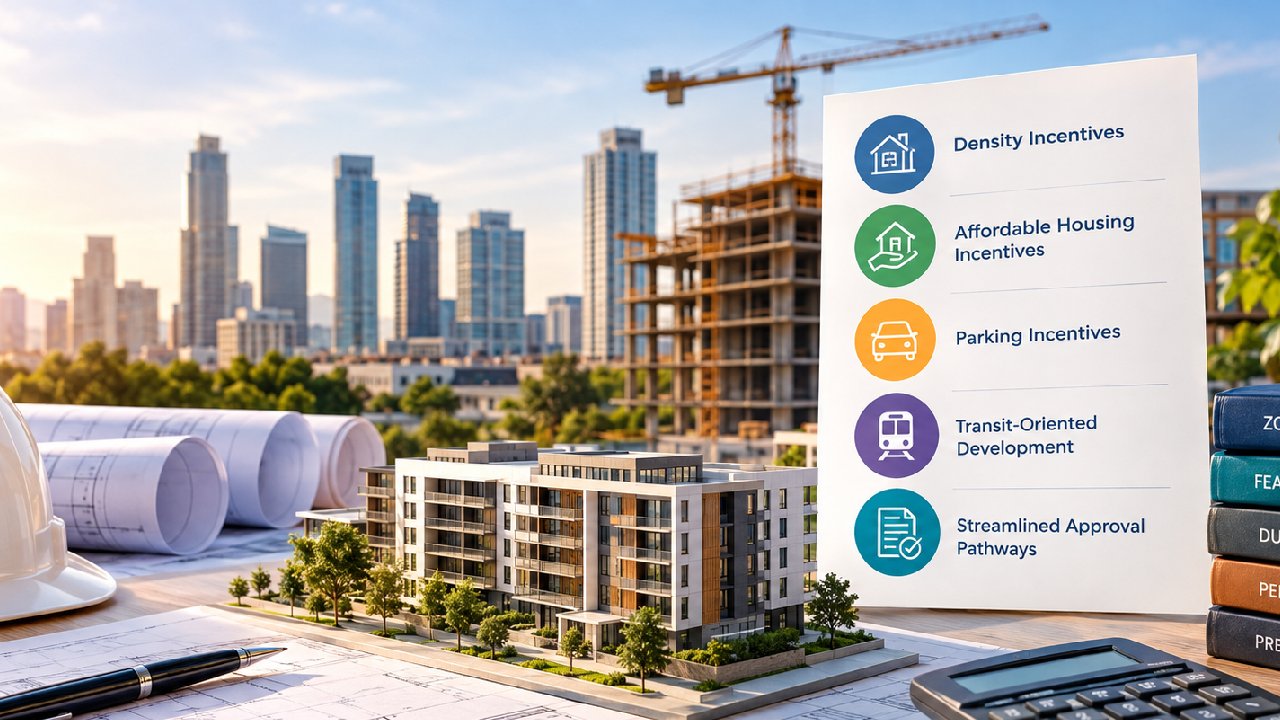
- A handful of additional flexibilities, fee waivers, density bonuses, reduced parking or setback standards, show up in the City’s policy framework for certified affordable housing, though what’s actually available depends on the specifics of the project and direct coordination with HCD.
Questions Developers Keep Asking
How long does it take to get a single-family building permit in Tampa? Ministerial permits often clear in a few weeks. Anything involving a variance, flood zone requirements, or energy code complications can stretch to six to eight weeks or more.
Does attainable housing in Tampa require a rezoning? Generally no. Most detached single-family homes on RS-50 or RS-60 lots move forward without a zoning change, as long as they comply with the Land Development Code. Lot splits, variances, and special use requests are the exceptions.
What income level counts as attainable in Tampa? Roughly 80 to 140 percent of Area Median Income, with HCD certifying eligibility for incentive programs on a project-by-project basis
How much SHIP subsidy can a developer get per unit in Tampa? Up to $150,000 per unit in deferred SHIP financing for acquisition, rehabilitation, and new construction, with as much as $50,000 of that passable to the buyer.
Getting the Sequencing Right
The projects that move fastest through Tampa’s system aren’t necessarily the best-designed ones. They’re the ones where zoning, lot geometry, impact fee exposure, and affordability certification all got confirmed before design started, instead of surfacing as surprises during plan review. That’s not a small distinction. On infill sites with overlay exposure or an ADU component, one missed zoning detail can add months to a schedule that didn’t have months to spare.
This is the groundwork JDJ Consulting handles for developers, architects, and investors building in Tampa, from zoning verification and SHIP eligibility coordination through permit expediting with Construction Services. If you’re assembling infill parcels in one of Tampa’s higher-opportunity corridors, our Tampa permit expeditors and entitlement consulting team can help map the fastest compliant path from acquisition to Certificate of Occupancy. You can also see the full scope of our feasibility, entitlement, and permitting services for anyone weighing a Tampa Bay pipeline.