
Is Now the Time to Start a Construction Business in Los Angeles?
Los Angeles is facing a rebuilding wave. Recent wildfires have left neighborhoods in Malibu, Pacific Palisades, and surrounding hillside communities devastated. With so many homes lost, many are asking the same question: is this the right moment to start a construction business in Los Angeles?
Table of Contents
The conversation has spread beyond construction professionals and into community forums. Some see a once-in-a-generation opportunity. Others warn that the city’s rules and regulations will slow everything down. Both sides are correct.
⏰ Estimate Your Project Start Time
Based on delay types discussed in JDJ Consulting article
A Market Full of Demand
The demand for construction in Los Angeles is undeniable. Families want to rebuild their homes. Investors are watching for chances to purchase and redevelop burned properties. Developers see the chance to meet housing needs in a city already struggling with a shortage.
From the outside, this looks like an open market. Entrepreneurs might imagine that starting a company here is a clear path to growth. But in Los Angeles, demand alone does not guarantee success.
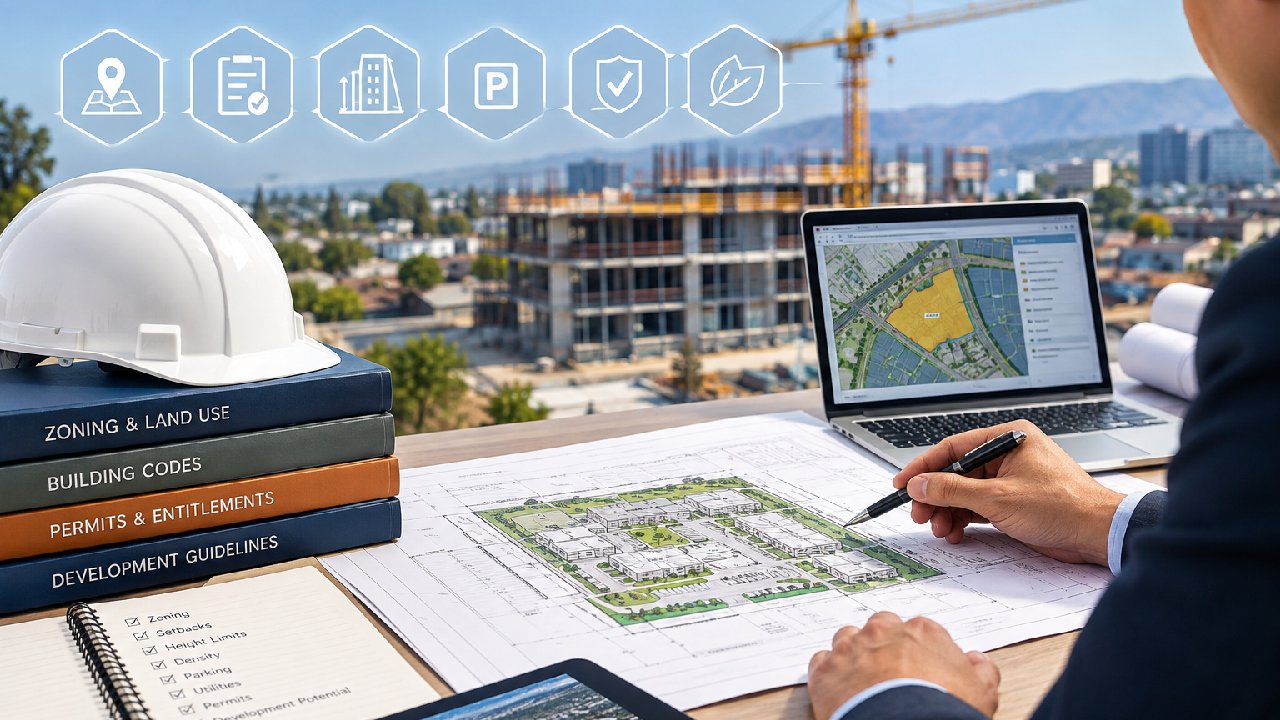
The Barrier of Permits and Zoning
Rebuilding in Los Angeles is not as simple as drawing up plans and breaking ground. Even disaster recovery projects must pass through multiple city and county approvals.
Zoning laws restrict what can be rebuilt in fire-prone areas.
CEQA, California’s environmental review law, applies even when homes are destroyed.
Building codes have been updated with stricter fire-resilience standards.
The process is not quick. Permits can take months, sometimes years, depending on the project. Many homeowners are shocked to discover that starting construction is often the final step in a long line of approvals.
For new construction businesses, this means navigating a maze of regulations before work can begin. Without experience in the Los Angeles system, a new firm may find itself stalled before its first project ever starts.
Delays in Insurance and Funding
Another challenge comes from the homeowners themselves. Insurance payouts often take time, and in many cases, coverage is not enough to cover rebuilding costs. Some property owners face long waits before they can even commit to hiring a contractor.
This creates an uneven market. One month may see strong demand; the next may be silent. A new business without financial stability can struggle to survive in these gaps.
The Labor and Supply Shortage
Even if a company manages to secure permits and clients, another obstacle remains: finding the labor and materials.
Los Angeles already faces a shortage of skilled workers. Carpenters, electricians, and licensed contractors are in short supply. The same is true for building materials. Lumber, steel, and fire-resistant siding often cost more here than in other regions, and competition drives prices higher.
A new construction business without established supplier relationships may find itself unable to keep projects on budget.

Reputation Matters Most
The truth is that rebuilding after a wildfire involves more than construction skills. It requires trust. Homeowners are not likely to hand over six or seven figures to a brand-new company without a proven history.
Established firms have the advantage of credibility. They can point to past projects, satisfied clients, and long-standing vendor relationships. For newcomers, partnerships may be the smarter first step. Working under an established name helps build experience and a portfolio before striking out independently.
Where Opportunities Still Exist
This does not mean there is no room for new businesses. The rebuilding effort will stretch over years, not months. Support industries will also see growth:
Debris removal companies are in high demand.
Firms specializing in fire-resistant building materials can carve out a niche.
Consultants who understand zoning, permitting, and fire-code compliance will continue to play a central role.
In fact, many entrepreneurs will find more stability by starting in these areas before expanding into full construction.
🤔 Are You Ready to Start?
Check all that apply:
Adapted from JDJ Consulting article “Is Now the Time to Start a Construction Business …”
The Role of Consulting and Expediting
For those who do want to enter Los Angeles’ construction market, one truth stands above all: understanding the system is the key to success.
At JDJ Consulting Group, we see how often projects stall, not because of lack of money or demand, but because of delays in approvals. The companies that thrive are those who know how to navigate Los Angeles’ zoning rules, environmental reviews, and permitting requirements.
For new firms, working with a zoning consultant or expeditor can make the difference between growth and failure. By streamlining the process, consultants reduce project delays that would otherwise stretch into years.
Conclusion: Construction Business in Los Angeles
So, is now the time to start a construction business in Los Angeles? The answer is yes — but only for those who prepare.
The opportunities are real. The demand for rebuilding will be strong for years. Yet, the challenges are also significant. From zoning laws to insurance delays, from labor shortages to reputation hurdles, success requires more than enthusiasm.
For entrepreneurs ready to enter this market, the best approach may be strategic partnerships, niche services, and strong guidance from experts who know Los Angeles inside and out.
At JDJ Consulting Group, we believe the rebuilding process will shape the future of LA’s housing market. Those who understand the system — and learn to work with it — will be the ones who succeed.
Check the detailed discussion here: Reddit.com
Frequently Asked Questions
Market Opportunities
Why are people considering starting a construction business in Los Angeles now?
Los Angeles is experiencing strong demand for rebuilding due to two main factors: the destruction caused by wildfires and the city’s long-standing housing shortage. Many families have lost their homes and want to rebuild, while investors are eyeing redevelopment opportunities. For entrepreneurs, this creates the appearance of a thriving market with consistent work. However, while the opportunity is clear, challenges exist. Strict regulations, zoning restrictions, and long approval timelines make entering the construction industry complex. To succeed, new businesses must prepare for more than construction alone—they must understand how to navigate Los Angeles’ legal and permitting environment effectively.
How have recent wildfires created new demand for construction in LA?
Wildfires have devastated entire communities, particularly in Malibu, Pacific Palisades, and other hillside regions. Thousands of homes and properties have been damaged or destroyed, leaving residents with no choice but to rebuild. This has created a surge in demand for construction services. Rebuilding will not happen overnight—it is expected to stretch over many years. Contractors, developers, and service providers all stand to benefit. Yet, the demand comes with unique challenges: new fire-resistant building codes, zoning restrictions in high-risk areas, and environmental approvals. For construction businesses, the rebuilding process presents opportunity but requires significant preparation to operate successfully.
What niche opportunities exist outside of full-scale construction work?
Not every business has to launch as a full general contractor. Many new companies can focus on supporting industries that play a vital role in rebuilding. Examples include:
- Debris removal services to clear lots before new construction.
- Suppliers of fire-resistant materials such as siding, roofing, or windows.
- Specialized consulting services for insurance claims or fire-code compliance.
These niches often require less upfront capital, involve fewer regulatory hurdles, and still allow entrepreneurs to enter the market. Over time, companies can expand into larger projects once they establish credibility and build relationships with clients.
Regulations and Permitting
What building codes must contractors follow in fire-prone areas of LA?
Los Angeles has adopted updated building codes designed to make homes more resilient to fire. These include:
- Use of fire-resistant materials such as Class A roofing, tempered glass, and stucco siding.
- Defensible space requirements, meaning clearance between structures and flammable vegetation.
- Stricter standards for decks, eaves, and vents to reduce fire spread.
These codes increase construction costs but are critical for homeowner safety. Contractors must ensure compliance with these rules to receive approvals. For new businesses, staying current on evolving codes is key. Failure to comply can result in fines or rejected permits.
Financial and Resource Challenges
How do rising material costs affect new construction companies?
The cost of building materials has risen sharply in Los Angeles. Lumber, steel, and fire-resistant products are all more expensive due to supply chain pressures and increased demand. For contractors, this makes budgeting more difficult and reduces profit margins. New construction businesses without strong supplier relationships may face even higher prices or delays in securing materials. Clients may also hesitate when costs exceed their insurance payouts. To stay competitive, new firms must manage material sourcing carefully, negotiate with vendors, and communicate transparently with clients about costs. Poor planning in this area can quickly sink a young business.
Business Credibility and Strategy
What role do consultants play in LA’s construction industry?
Beyond permits, consultants advise on land use, zoning compliance, CEQA, and building codes. They act as problem-solvers when projects face obstacles, such as neighborhood objections or conflicting regulations. In Los Angeles, where rules change frequently, consultants provide expertise that keeps projects on track. For new construction businesses, working with consultants is not optional—it is often essential. They help anticipate problems before they stall a project and offer creative solutions that save time and money. By leveraging consultants, firms reduce risk and position themselves as more professional and reliable in the eyes of clients.