
A Different Kind of Density Conversation
Senior housing occupies a strange middle ground in land use policy. It is residential, but not quite like a single family subdivision or a standard apartment complex. Local zoning codes were largely written decades ago, long before assisted living communities and memory care facilities became a defining feature of California’s aging population. As a result, many senior care projects require conditional use permits, variances, or specific plan amendments simply because the use itself does not fit neatly into existing categories.
In the San Fernando Valley specifically, much of the land zoned for this kind of development sits in areas governed by community plans that predate current state housing mandates. Developers often find themselves reconciling local zoning restrictions with newer state density bonus laws, which offer incentives for including affordable or senior designated units but come with their own layers of compliance. Navigating both systems at once, local code and state statute, is where many projects lose momentum.
The Hurdles Nobody Warns You About
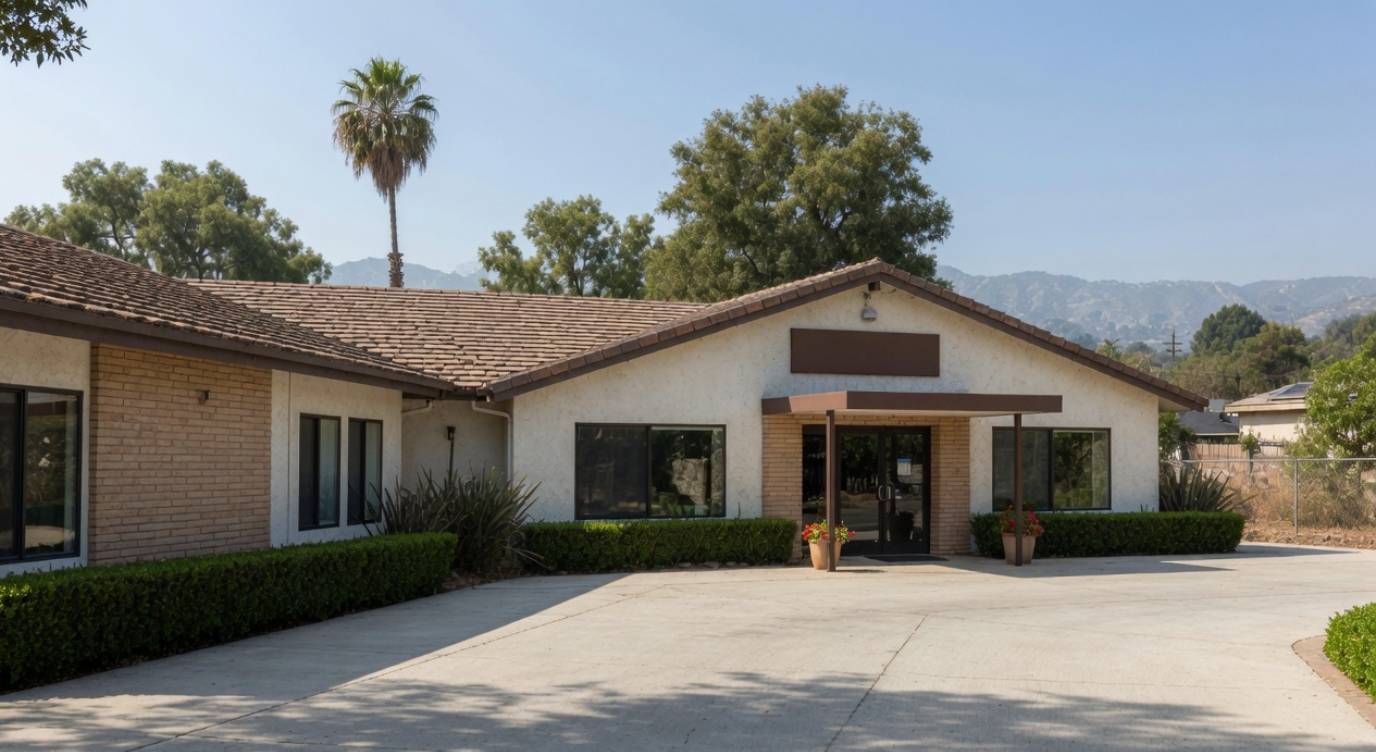
Ask any developer who has brought a senior facility through entitlement in Los Angeles and they will mention the same recurring obstacles. Parking requirements, calculated the same way for a facility full of residents who may not drive as for a standard apartment building, often force costly redesigns. Traffic studies can trigger extended environmental review timelines under CEQA, particularly in areas near hillside terrain or protected viewsheds like the ones visible in the mountains behind this building. Community opposition, sometimes rooted in genuine concern about traffic and noise and sometimes simply a resistance to change, can add months of public hearings before a project ever reaches the planning commission.
Then there is the building code itself. Senior care facilities carry occupancy classifications that demand a different level of fire and life safety compliance than typical multifamily housing. Wider corridors, specific egress requirements, accessibility standards that go beyond baseline ADA compliance; each of these details must be resolved at the building permit stage, often after the entitlement has already been secured, which means the work is never truly finished when the zoning approval letter arrives.
Where Timelines Go to Die
Perhaps the most underappreciated challenge in entitlement work is simply the waiting. Planning departments across Los Angeles County are stretched thin, and a project that should take eight months on paper can easily stretch to eighteen once resubmittals, plan check corrections, and public comment periods are factored in. Every additional month carries real financial weight for a developer holding land, paying interest, and watching construction costs climb. For senior housing projects in particular, that delay has a human cost too. Every month a facility sits unbuilt is a month that families in need of memory care or assisted living options continue to wait.
This is the terrain that JDJ Consulting has spent years working through with clients across the Valley and greater Los Angeles. Entitlement work of this kind rewards patience and relationships as much as technical knowledge; knowing which planner to call, which findings a hearing officer will want to see clearly documented, and how to frame a project so it satisfies both CEQA obligations and a skeptical community board. It is less about pushing a project through and more about anticipating where it might stall and addressing that early, before it becomes a six month delay.
What Gets Lost in the Numbers
It is easy to reduce entitlement work to a checklist: zoning verification, environmental review, public hearing, building permit issuance. But projects like the one shown here represent something more specific. Senior housing sits at an intersection of policy and compassion that few other property types occupy. The people who will eventually live in a facility like this are often making one of the last major transitions of their lives, and the building itself needs to feel less like an institution and more like a home, right down to the flowering plants by the entrance and the palm tree that was likely preserved on purpose rather than by accident.
Getting a project like this built requires understanding both the letter of the zoning code and the spirit of what the building is meant to be. That balance, between regulatory precision and the human purpose behind the paperwork, is really what separates a smooth entitlement process from a stalled one. The buildings that succeed are usually the ones where someone on the team never lost sight of why the permit mattered in the first place.