Changing the way you use a property might seem straightforward—just move in, set up, and start operating. But in Texas, even small shifts in how a building is used can trigger rules, inspections, and approvals.

A change of use permit is the city’s way of making sure your new plans are safe, legal, and fit the community. Whether you’re turning an office into a café, a warehouse into a gym, or even just switching tenants, this permit ensures your space meets all codes—from fire safety to accessibility.

In this guide, we break it down in plain language. You’ll learn what a change of use permit is, when it’s needed, and how to get it without headaches. By the end, you’ll know exactly what steps to take to keep your project on track.

📊 Key Facts About Change of Use Permits in Texas

  • ✅ Required for converting building use (residential → commercial)
  • ✅ Must comply with local zoning laws
  • ✅ Inspections are mandatory before final approval
  • ✅ Permit cost depends on project value & type
  • ✅ Typical approval timeline: 2–6 weeks

Source: JDJ Consulting

Understanding Change of Use in Texas

A change of use happens when a property is used for something different than before. Even if the building stays the same, the use may change how the city regulates it.

Cities in Texas review use changes to protect public safety and follow zoning plans. That review often starts with a permit.

Young man civil engineer in safety hat

What “Change of Use” Really Means

A change of use refers to a shift in how a building or space is occupied. It focuses on function, not appearance.

For example:

  • Retail store converted into a restaurant

  • Office space turned into a daycare

  • Warehouse changed to a gym

  • Home converted into a small business space

In each case, the activity inside the building changes. That change can affect parking needs, fire safety, plumbing, and accessibility. A change of use permit confirms that the new activity fits local rules and codes.

Key point: You can trigger a change of use even if you do not remodel the space.

Why a Change of Use Permit Is Required

Cities require these permits for practical reasons. Different uses create different risks and demands.

Common reasons include:

  • Fire safety needs change with occupancy type

  • Plumbing and electrical loads may increase

  • Parking requirements may be different

  • Accessibility standards may apply

  • Zoning rules may limit certain activities

A retail shop and a restaurant may look similar. The safety rules behind them are very different.

Below is a simple comparison.

Use TypeMain City Concerns
OfficeOccupancy limits, parking
RestaurantFire suppression, grease traps, ventilation
DaycareSafety exits, restroom access, occupancy
GymStructural load, emergency access

A permit allows the city to review these factors before the space opens.

When You Usually Do Not Need a Change of Use Permit

Not every change requires approval. Many owners assume they always need a permit. That is not true.

You may not need a change of use permit when:

  • The new tenant has the same use classification

  • The business activity stays the same

  • Only cosmetic updates are done

  • No code requirements change

For example, replacing one clothing store with another clothing store usually does not count as a change of use. Still, rules vary by city. It is always smart to confirm before signing a lease or starting work.

💡 Tips for a Smooth Permit Approval

  • ✅ Double-check zoning laws before applying.
  • ✅ Prepare detailed plans & documentation.
  • ✅ Schedule inspections early to avoid delays.
  • ✅ Consult a local expert if unsure about compliance.

Change of Use vs. Zoning Change: What’s the Difference?

These two terms are often confused. They are related, but they are not the same. A change of use permit checks how a property is used. A zoning change decides what is allowed on the property.

Sometimes you need one. Sometimes you need both.

Zoning Basics for Texas Properties

Zoning divides land into categories. Each category allows certain uses and restricts others.

Common zoning types include:

  • Residential

  • Commercial

  • Industrial

  • Mixed-use

Each zoning district has a list of permitted uses. Some uses are allowed by right. Others require special approval. If your proposed use is already allowed, zoning may not be an issue.

When a Zoning Change Is Required

A zoning change is needed when the new use is not allowed under current zoning.

Examples include:

  • Opening a bar in a residential zone

  • Running a manufacturing business in a retail zone

  • Converting farmland into commercial use

Zoning changes usually involve:

  • Public notice

  • Planning commission review

  • City council approval

This process takes longer than a change of use permit.

Change of Use vs. Zoning: Side-by-Side Comparison

TopicChange of Use PermitZoning Change
FocusSafety and code complianceLand use approval
Review AuthorityBuilding or planning departmentPlanning commission / city council
TimelineWeeks in many casesMonths in many cases
Public HearingUsually not requiredOften required

Understanding this difference helps you plan the right path from the start.

How to Know If Your Property Needs a Change of Use Permit

Many issues start because owners assume. A few simple checks can prevent costly mistakes.

High angle measuring tools on desk still life

1st Step: Check Your Current Approved Use

Start by confirming how the city currently classifies your property.

You can usually find this through:

The approved use sets the baseline. Any move away from it should be reviewed.

2nd Step: Compare the Old Use to the New Use

Ask a simple question: Is the new activity different in function or intensity?

Changes that often trigger permits include:

  • Adding food service

  • Increasing occupant load

  • Serving children or vulnerable groups

  • Hosting public gatherings

Here is a quick reference.

Old UseNew UsePermit Likely?
OfficeOfficeNo
RetailRestaurantYes
StorageGymYes
RetailRetailUsually no

Common Mistakes Property Owners Make

Many delays come from avoidable errors.

Common issues include:

  • Assuming similar businesses are the same use

  • Signing leases before city approval

  • Skipping early talks with planning staff

  • Ignoring fire or accessibility upgrades

These mistakes cost time and money. Early review saves both.

The Change of Use Permit Process in Texas

Once you know a permit is needed, the next step is understanding the process. While details vary by city, most Texas jurisdictions follow a similar path. The key is preparation. A complete application moves faster and avoids repeat reviews.

🔄 Change of Use Permit Process Flow

1️⃣ Determine Permit Requirement
2️⃣ Submit Application
3️⃣ Review & Inspection
4️⃣ Receive Permit Approval
5️⃣ Start Project

Step-by-Step Overview of the Process

Most cities break the process into clear stages.

Here is how it usually works:

  • Confirm zoning and allowed uses

  • Submit a change of use application

  • Upload site plans and floor plans

  • Pay required fees

  • City departments review the request

  • Address review comments

  • Schedule inspections if required

  • Receive approval or conditions

Some cities combine steps. Others split them across departments. Still, the core process stays the same.

Documents Commonly Required

Cities want to understand how the space will function. That means paperwork.

You are often asked to submit:

  • A completed application form

  • A written description of the new use

  • Floor plans showing layout and exits

  • Site plans showing parking and access

  • Prior certificate of occupancy

If the use involves food, children, or assembly, extra documents may be required.

Tip: Incomplete plans are a common cause of delays. Clear drawings help reviewers move faster.

What Happens After You Apply

Once submitted, your application goes through internal review.

Departments often involved include:

  • Planning

  • Building

  • Fire

  • Engineering

  • Health (for food-related uses)

Each department checks different rules. They may issue comments or request changes. Responding quickly keeps the process moving.

Typical Timelines

There is no single timeline for all Texas cities. Still, most follow a general range.

City TypeTypical Review Time
Small towns1–3 weeks
Mid-size cities3–6 weeks
Large cities4–8 weeks or more

Delays often happen when plans are incomplete or when upgrades are required.

Cost of a Change of Use Permit in Texas

Costs are another area where owners get surprised. Fees vary widely, and permit fees are only part of the total expense. Planning ahead helps you budget properly.

🧮 Texas Permit Cost Calculator

Estimate your change of use or construction permit cost in Texas quickly.

Permit Fees and City Charges

Most cities charge a base fee. Some add review or inspection fees.

Common fee types include:

  • Application fee

  • Plan review fee

  • Inspection fee

  • Re-inspection fee, if needed

Fees often range from a few hundred dollars to several thousand.

Cost ItemTypical Range
Application fee$100 – $500
Plan review$250 – $1,500
Inspections$100 – $500

Always check the local fee schedule before applying.

Hidden Costs to Plan For

Permit fees are only one part of the picture.

Other costs may include:

  • Architectural drawings

  • Engineering reports

  • Fire safety upgrades

  • Accessibility improvements

  • Parking or site changes

For example, a new restaurant use may require:

  • Fire suppression systems

  • Grease interceptors

  • Ventilation upgrades

These costs can exceed the permit fee itself.

Why Early Review Saves Money

Early review helps avoid surprises.

Talking to city staff before applying can:

  • Confirm required upgrades

  • Reduce redesign costs

  • Shorten approval timelines

Many Texas cities encourage pre-application meetings for this reason.

How Building Codes and Safety Rules Affect Approval

A change of use is closely tied to safety. Different uses place different demands on a building. This is where many approvals slow down.

Architect engineer pointing at architectural building prototype analyzing construction model on computer. Businessman designer working remote from home at real estate project modeling sketch

Building Code Requirements

Building codes are based on occupancy type. A new use may change the occupancy classification.

That change can affect:

  • Exit width and number

  • Ceiling height requirements

  • Structural load limits

  • Plumbing fixture counts

Even if the building looks fine, code updates may still apply.

Fire and Life Safety Standards

The fire safety is a major focus for change of use permits.

Fire departments often review:

  • Occupant load

  • Exit locations

  • Fire alarm systems

  • Sprinkler requirements

  • Emergency lighting

A space used by the public faces stricter rules than a private office.

Use TypeFire Review Level
OfficeModerate
RetailModerate
RestaurantHigh
Assembly or daycareVery high

ADA and Accessibility Considerations

Accessibility rules often apply when a use changes.

You may need to address:

  • Accessible entrances

  • Restroom access

  • Parking spaces

  • Route clearances

Even older buildings may need updates when the use changes. Ignoring accessibility can lead to failed inspections or legal risk later.

City-Specific Differences Across Texas

Texas does not have one single rulebook for change of use permits. Each city sets its own procedures, fees, and review standards. The core idea stays the same, but the details change from place to place.

📌 Case Study: Successful Retail Conversion

A small retail space in Austin converted from office use. JDJ Consulting guided the client through:

  • 📄 Permit documentation
  • 🧭 Zoning compliance checks
  • ✅ Inspection scheduling

Result: Permit approved within 3 weeks, project completed on time and under budget.

Book Consultation

Big Cities vs. Smaller Cities

Larger cities usually have more steps. Smaller cities tend to be more flexible.

Here is what that often looks like in practice.

  • Large cities

    • Multiple department reviews

    • Online permitting portals

    • Longer review timelines

    • Detailed plan requirements

  • Small and mid-size cities

    • Fewer review layers

    • Faster feedback

    • Simpler application packages

This does not mean small cities are easier. It means the process is more direct.

Example: Change of Use in a Major Texas City

In large cities, a change of use often includes:

  • Use verification forms

  • Detailed floor plans

  • Parking calculations

  • Fire department review

  • Final inspection before approval

These cities focus heavily on consistency and public safety. Missing documents can push the review back several weeks.

Example: Change of Use in a Smaller Texas City

Smaller cities may require:

  • A basic application

  • Simple site or floor plans

  • Staff-level approval

In some cases, the planning director can approve the change without a formal hearing. Still, zoning and safety rules always apply.

Why Local Knowledge Matters

Because rules vary, many delays happen when owners apply using the wrong assumptions.

Local experience helps with:

  • Knowing which documents matter most

  • Avoiding unnecessary submissions

  • Timing inspections correctly

This is where professional guidance often pays off.

Checklist: Before You Apply for a Change of Use Permit

A simple checklist can prevent weeks of delay. Use this before submitting any application.
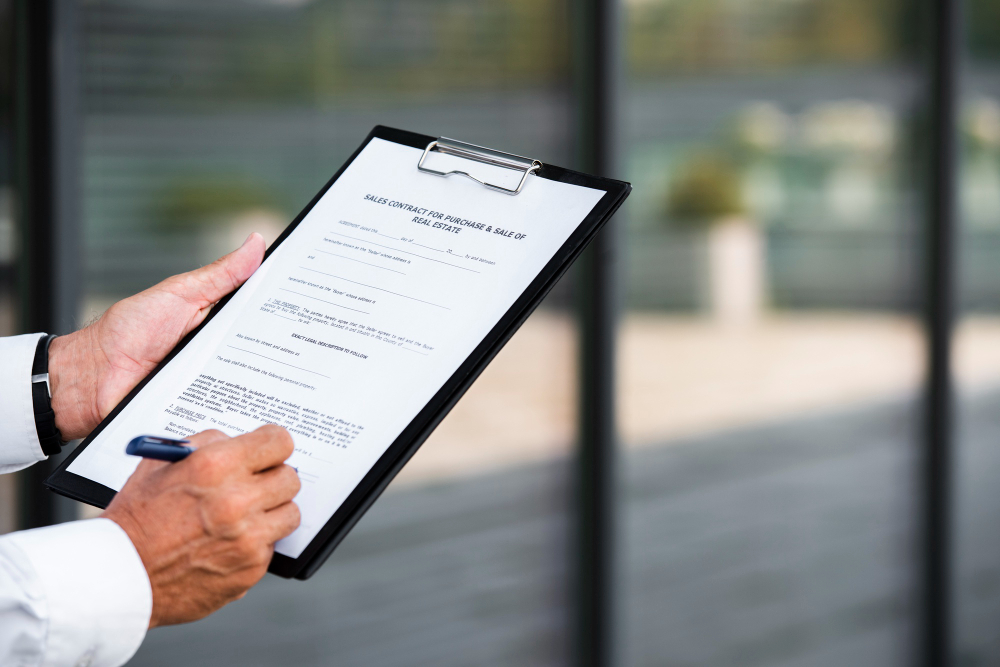
Close-up businessman writing on clipboard

Pre-Application Checklist

  • Confirm current zoning

  • Verify approved existing use

  • Confirm new use category

  • Review parking requirements

  • Check fire and building code triggers

  • Prepare clear floor plans

  • Budget for fees and upgrades

Having these items ready makes the review smoother.

Documents to Prepare

Most cities will ask for some version of the following:

  • Completed application form

  • Written description of new use

  • Floor plan with exits and rooms labeled

  • Site plan showing parking and access

  • Prior certificate of occupancy

Submitting clean, readable plans helps reviewers move faster.

Questions to Ask the City Early

Asking questions early saves time later.

Good questions include:

  • Does this use require a permit?

  • Are inspections required?

  • Will fire review be needed?

  • Are accessibility upgrades expected?

  • How long does review usually take?

Clear answers help you plan your timeline.

Final Thoughts: Planning Ahead Makes All the Difference

A change of use permit is not just paperwork. It is a safety and planning review that protects owners, tenants, and the public.

Understanding the rules early helps you:

  • Avoid delays

  • Control costs

  • Open on schedule

Every Texas city is different, but the goal is the same. The right preparation leads to smoother approval. If you are planning a change of use in Texas, early guidance can make the process easier and more predictable.

Need Help With a Change of Use Permit in Texas?

Changing how a property is used can get confusing fast. Rules vary by city, and small mistakes cause big delays.

JDJ Consulting Group helps Texas property and business owners get change of use permits approved without the stress. We guide you from the first zoning check to final approval.

If you’re planning a new business or updating a space, let’s talk.

Contact JDJ Consulting Group today at (818) 793-5058and get clear answers before you move forward.

📊 Typical Permit Costs in Texas

Frequently Asked Questions About Change of Use Permits

Do I need a change of use permit if I am only renovating?

Not always. Cosmetic work alone usually does not trigger a change of use. However, if the renovation supports a new activity, a permit may still be required. Always confirm with the city before starting work.

Can I open my business before the permit is approved?

In most cases, no. Operating without approval can lead to fines, shutdowns, or failed inspections. Cities take unapproved use changes seriously.

What happens if my permit is denied?

A denial does not always end the project. You may be allowed to revise plans, apply for a different approval, or request a zoning change. The reason for denial matters.

Can neighbors object to a change of use?

For standard permits, neighbors usually do not have a formal role. If zoning changes or special approvals are required, public input may be part of the process.

How long does approval usually last?

Once approved, the change of use typically stays valid as long as the use continues. If the space changes again, a new review may be required.

What is a change of use permit in Texas?

A change of use permit is an approval from your local city that allows a property to be used for a different purpose than it was originally approved for. It ensures that the new use meets safety, building, fire, and accessibility codes. Common examples include:

  • Converting an office into a retail store

  • Turning a warehouse into a gym

  • Changing a home into a small business

Do all property use changes require a permit?

Not every change triggers a permit. You usually need one if:

  • The new activity increases occupancy or risk

  • It changes how the building is used (office → restaurant)

  • Local zoning rules require it

Cosmetic renovations or tenant swaps with the same use often do not require a permit. Always confirm with your city first.

How do I know if my property needs a change of use permit?

Start by checking your current zoning and approved use. Then compare it to the planned use. Ask yourself:

  • Is the activity different in function?

  • Will it affect parking, fire, or safety codes?

If the answer is yes, a permit is likely needed. Consulting your city planning department can prevent mistakes.

What documents are needed to apply for a change of use permit?

Most cities require:

  • Completed application form

  • Floor plans with room labels and exits

  • Site plans showing parking and access

  • Prior certificate of occupancy

Additional documents may be needed for restaurants, daycare, or assembly uses. Submitting clear, accurate plans speeds up approval.

How long does it take to get a change of use permit in Texas?

Timelines vary by city size:

  • Small towns: 1–3 weeks

  • Mid-size cities: 3–6 weeks

  • Large cities: 4–8 weeks or more

Delays are usually caused by incomplete applications, missing documents, or required building upgrades. Preparing everything beforehand helps speed up approval.

What are the typical costs for a change of use permit?

Permit fees vary but usually include:

  • Application fee: $100–$500

  • Plan review: $250–$1,500

  • Inspections: $100–$500

Other potential costs include architectural plans, engineering reports, fire safety upgrades, and accessibility improvements. Planning ahead prevents unexpected expenses.

Can I open my business before the permit is approved?

No. Operating without an approved permit can result in fines, forced closure, or failed inspections. Approval ensures your new use meets all safety and zoning requirements. Waiting until approval is the safest approach.

What happens if my permit is denied?

If a permit is denied, you usually have options:

  • Revise your plans to meet city requirements

  • Apply for a zoning change if the use isn’t allowed

  • Consult professionals to address deficiencies

Understanding the reason for denial is key to moving forward efficiently.

Do zoning changes and change of use permits overlap?

Sometimes. A change of use permit focuses on building codes and safety, while zoning determines whether a use is allowed in that location. If your new use is not allowed under current zoning, a zoning change may also be required.

Are inspections required for a change of use permit?

Yes. Most cities require inspections to verify that the property meets:

  • Building codes

  • Fire and life safety standards

  • Accessibility requirements (ADA)

Some inspections happen before approval, and some may occur after occupancy begins, depending on the use type.


Leave a Reply

Your email address will not be published. Required fields are marked *

This will close in 0 seconds