Table of Contents
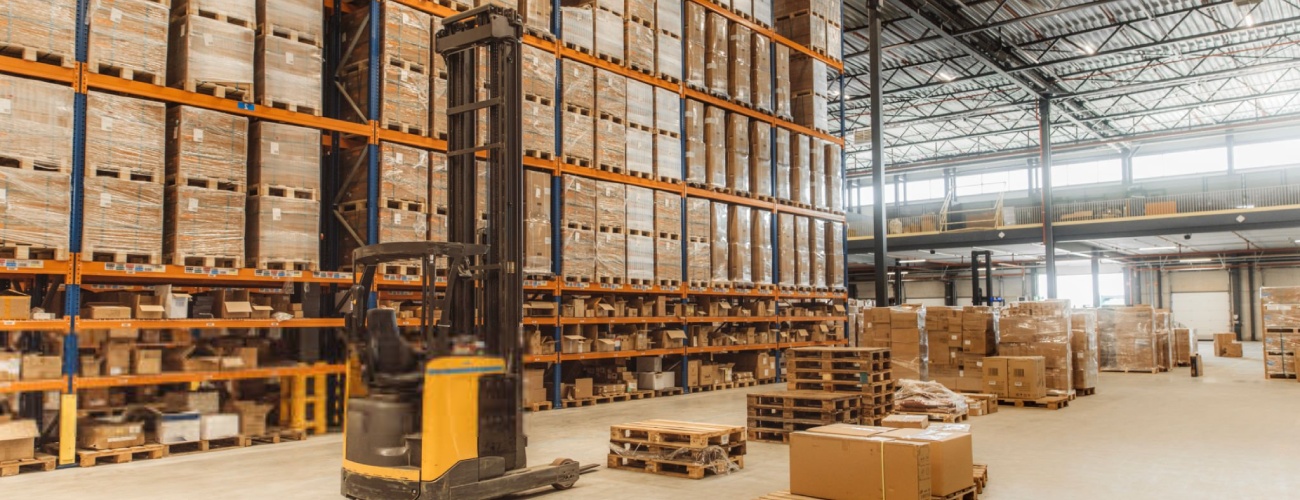
Texas continues to see strong growth in warehouses and distribution centers. Companies are investing billions of dollars to expand their supply chains. New projects are appearing in cities across the state. But there is a challenge that gets less attention.
Many cities are approving large industrial projects faster than they can process the permits needed to build them. As more projects enter the pipeline, review departments are facing heavier workloads and longer queues. H-E-B is a good example.
In May 2026, the Texas grocery chain announced a $700 million expansion in San Antonio. The project will be built on more than 870 acres on the city’s East Side. Plans include a new bakery, a refrigerated warehouse, a transportation facility, and an expansion of an existing manufacturing plant.
This is not a small project. H-E-B has already invested more than $445 million at the site. The company also operates a warehouse that covers more than 2 million square feet.
The company is expanding in other parts of Texas as well. H-E-B recently purchased more than 600 acres in Valley View, north of the Dallas-Fort Worth area, for future distribution operations.
H-E-B is not alone. Many companies are buying land and building larger logistics networks across Texas. The demand for warehouses, cold storage facilities, and distribution centers continues to grow. The question is simple. Can local permitting systems keep up with the pace of development?
The Growing Permitting Challenge
Most city review departments were designed to handle historical permit volumes, not the surge of industrial development occurring today.
Texas has experienced strong growth in warehousing, logistics, manufacturing, cold storage, and e-commerce fulfillment facilities. At the same time, companies are reshoring manufacturing operations and expanding regional distribution networks.
Every industrial project requires reviews from multiple departments, including:
Structural
Electrical
Mechanical
Plumbing
Fire safety
Environmental compliance
Transportation and traffic planning
Large projects often require these reviews simultaneously. A warehouse expansion covering millions of square feet does not automatically receive faster treatment because the developer is well known. In most cases, it enters the same review system as other commercial projects.
However, large developments create additional complexity because they involve larger drawing packages, more consultants, and more coordination between departments.
H-E-B has indicated that its San Antonio expansion remains in the early planning stages. While construction could begin this year, operations are not expected until 2028. That timeline reflects the reality of moving a major project through today’s permitting process.
What Happens When Review Capacity Falls Behind
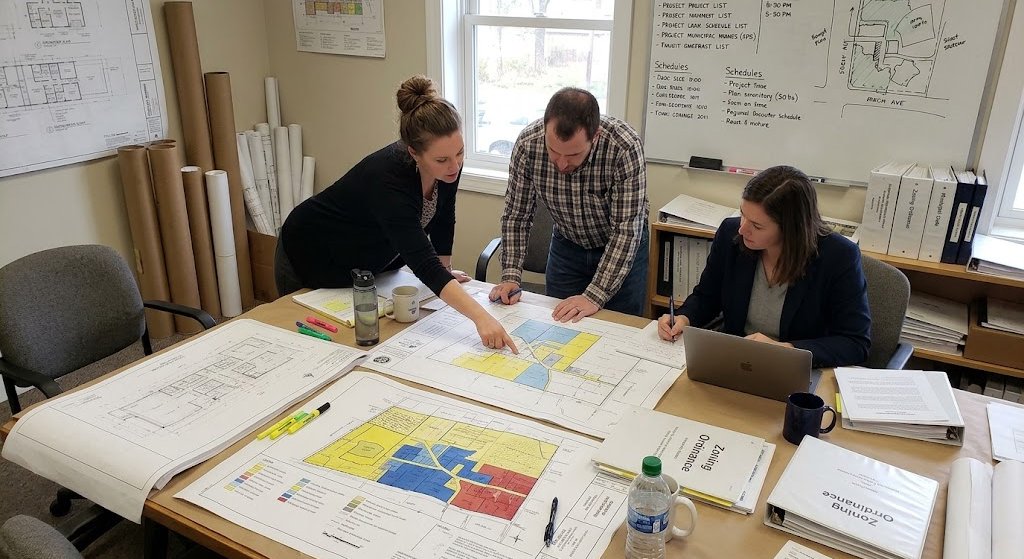
When permit departments become overloaded, delays can grow quickly. A single correction request may require engineers, architects, and consultants to revise multiple drawings. Once revised plans are submitted, several departments often need to review the updates again. What appears to be a small issue can easily add weeks to a project schedule.
For a multi-building industrial campus, these delays can multiply across multiple review cycles. The stakes are significant. H-E-B expects the San Antonio expansion to create approximately 720 jobs by 2028, with another 500 jobs potentially added over the following decade.
Projects of this size naturally attract public attention and government interest. However, even large employers cannot completely avoid permitting challenges. The companies that move through the system most efficiently are usually those that submit complete, well-coordinated plans from the beginning. Strong preparation often matters more than project size.
Why Entitlement Strategy Matters
Many project delays occur long before construction begins. Issues related to zoning, overlays, site design, utility coordination, traffic studies, or environmental requirements can trigger lengthy review cycles if they are not identified early.
Developers that invest time in pre-application planning often avoid problems that would otherwise surface during formal review.
A strong entitlement strategy typically includes:
Early review of zoning requirements
Coordination with local agencies before submission
Identification of potential site constraints
Complete and accurate permit drawings
Consultant teams experienced with local jurisdictions
These steps help reduce revisions and keep projects moving forward.
Smaller Developers Face the Same Bottleneck
The permitting challenge affects more than major corporations. If a company like H-E-B—with substantial capital, experienced consultants, and long-standing relationships with local agencies—expects a multi-year timeline before operations begin, smaller developers should pay close attention.
Industrial construction activity across Texas remains strong. Demand continues to grow for:
Cold storage facilities
Distribution centers
Last-mile fulfillment hubs
Manufacturing plants
Logistics infrastructure
At the same time, many permitting departments have not expanded at the same pace. As a result, the gap between development activity and review capacity continues to widen. For many projects, the biggest risk is no longer finding land or securing financing. It is accurately predicting how long approvals will take.
The Bottom Line
Texas remains one of the top markets for industrial development. New warehouses, distribution centers, and logistics facilities continue to break ground across the state. But growth brings challenges.
Many city permitting departments are handling more projects than ever before. In some areas, project demand is growing faster than review capacity. That makes planning more important than ever. A strong first submission can help reduce delays. Early research, clear plans, and proactive coordination can prevent issues before they slow a project down.
For developers, investors, and industrial operators, understanding the permitting process early can save both time and money. In today’s market, good preparation is often the difference between staying on schedule and falling behind.
If you are a developer, consultant, and general contractor seeking permit expedition services in Texas, Florida and California, reach out to our team of consultants today: https://jdj-consulting.com/book-consultation/
Information in this article is based on publicly available project details as of June 2026. Project scope, timelines, and permitting requirements may change. Always confirm current requirements with the appropriate local development or permitting department.