Table of Contents
A construction project may look ready to move forward, but before the first shovel hits the ground, there is often a complex approval process to navigate. From zoning verification and plan reviews to permits and agency coordination, every approval can influence your project timeline, budget, and construction strategy.
The biggest mistake developers make? Treating approvals as paperwork instead of a critical part of project planning.
Whether you’re planning a multifamily development, commercial building, tenant improvement, or residential project, understanding the construction approval process can help you prepare more effectively and avoid preventable setbacks.
In this guide, JDJ Consulting breaks down eight essential steps developers should understand before construction begins.
1. Start With Property and Zoning Verification
Before investing heavily in design or submitting applications, confirm what the property can legally accommodate.
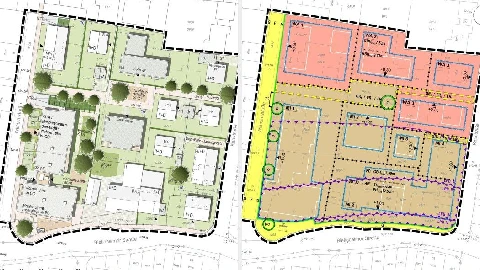
A zoning review helps determine whether the proposed development aligns with local land-use regulations. It may reveal restrictions or requirements that affect building size, use, density, height, setbacks, parking, or other development standards.
A preliminary review should consider:
|  |
Why this matters: Identifying zoning conflicts early can help prevent redesigns, unexpected approval requirements, and costly changes later.
Learn more about zoning review and compliance.
2. Identify All Required Approvals
Not every construction project requires the same permits or review process. The requirements depend on the jurisdiction, property, project scope, building type, and applicable regulations.
Some projects may require several approvals before a building permit can be issued.
Common approvals may include:
| Approval | Purpose |
|---|---|
| Zoning or land-use approval | Confirms the proposed use and development comply with applicable requirements |
| Site plan approval | Reviews site layout, circulation, access, and development details |
| Building permit | Authorizes construction subject to applicable requirements |
| Fire approval | Reviews applicable fire safety and protection requirements |
| Grading or excavation permit | Regulates certain earthwork and site preparation activities |
| Trade permits | Covers applicable electrical, plumbing, mechanical, or other specialized work |
| Environmental approvals | Addresses applicable environmental requirements |
Requirements vary by jurisdiction and project. This list is illustrative, not a universal permit checklist.
3. Prepare a Complete and Coordinated Submission
A complete application can help reduce avoidable correction cycles. Before submission, the project team should review plans, supporting documents, technical specifications, and application details for consistency.
Depending on the project, submission materials may include:
| 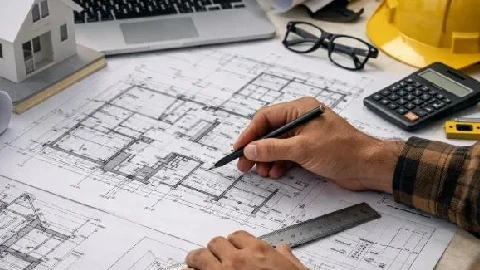 |
Coordination between consultants is essential. Inconsistent drawings, missing information, or unresolved technical details may result in additional review comments.
4. Understand the Plan Review Process
Once applications are submitted, reviewing agencies may evaluate plans against applicable building codes, zoning requirements, safety regulations, and local standards.
The review process may involve multiple departments, and some reviews may occur concurrently while others depend on prior approvals.
Developers should be prepared to:
Monitor review status
Respond to plan-check comments
Coordinate corrections with design professionals
Update documents when necessary
Track resubmissions and outstanding requirements
A submission is not the finish line. Plan review and correction management are often where project coordination becomes most important.
5. Respond to Plan Check Comments Strategically
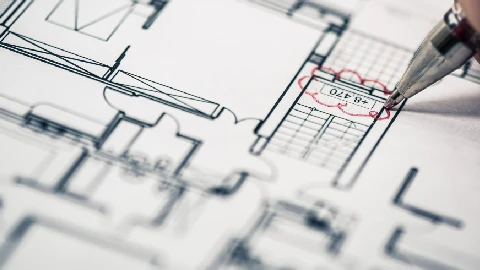
Plan check comments are part of the approval process. They may address technical issues, missing information, compliance questions, or inconsistencies between submitted documents.
The key is to handle comments systematically rather than making isolated corrections.
A structured correction process should include:
|  |
Incomplete or inconsistent responses may lead to additional review cycles. A coordinated response can help keep the approval process organized.
6. Coordinate Agencies and Approval Dependencies
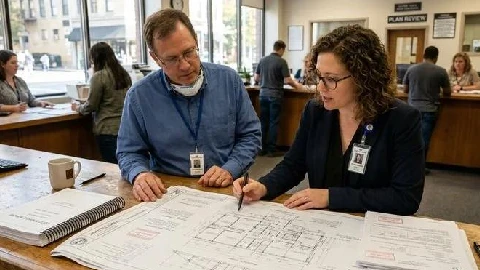
Many development projects involve multiple agencies, departments, and technical reviewers. Some approvals must be secured before others can proceed, while certain reviews may be handled concurrently.
The project team should establish:
|  |
Understanding approval dependencies can help developers plan more realistic timelines and avoid unnecessary sequencing delays.
7. Track Approval Conditions and Permit Issuance
Receiving an approval does not always mean every requirement has been satisfied. Some approvals may include conditions, additional documentation, fees, or other requirements before the final permit is issued.
Before proceeding, confirm:
Required approvals have been obtained.
Outstanding conditions are clearly identified.
Required fees have been addressed.
Approved plans and documents are available.
Permit issuance requirements have been satisfied.
Construction activities are authorized under the issued permit and applicable requirements.
Maintaining a centralized approval record helps owners, contractors, and consultants understand the project’s status.
8. Prepare for Construction and Inspections
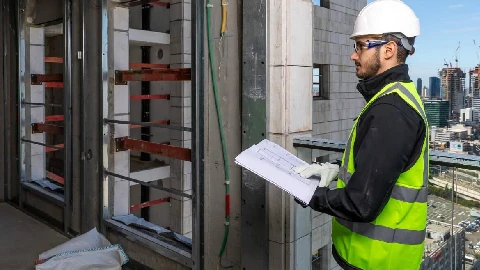
Once required permits are issued, construction can proceed in accordance with approved plans, permit conditions, applicable regulations, and inspection requirements.
Preparation should include:
|  |
The approval process does not end with the permit. Compliance and inspection coordination continue throughout construction.
What Can Delay the Construction Approval Process?
Even well-planned projects may encounter delays. However, recognizing common issues can help project teams prepare.
| Common issue | Potential impact | Preventive approach |
|---|---|---|
| Incomplete application | Submission rejection or additional review | Review submission requirements before filing |
| Zoning conflicts | Redesign or additional approvals | Verify zoning early |
| Inconsistent plans | Technical corrections and resubmissions | Coordinate drawings before submission |
| Unresolved agency comments | Extended review cycles | Assign responsibility for each comment |
| Missing supporting documents | Review interruptions | Maintain an application checklist |
| Unclear approval sequence | Scheduling conflicts | Map approval dependencies |
| Late design changes | Additional reviews or revised submissions | Evaluate changes before submitting |
The goal is not to eliminate every potential delay. It is to identify manageable issues early and reduce unnecessary complications.