Table of Contents
Construction Management in 2026: 7 Decisions That Can Prevent Costly Project Delays
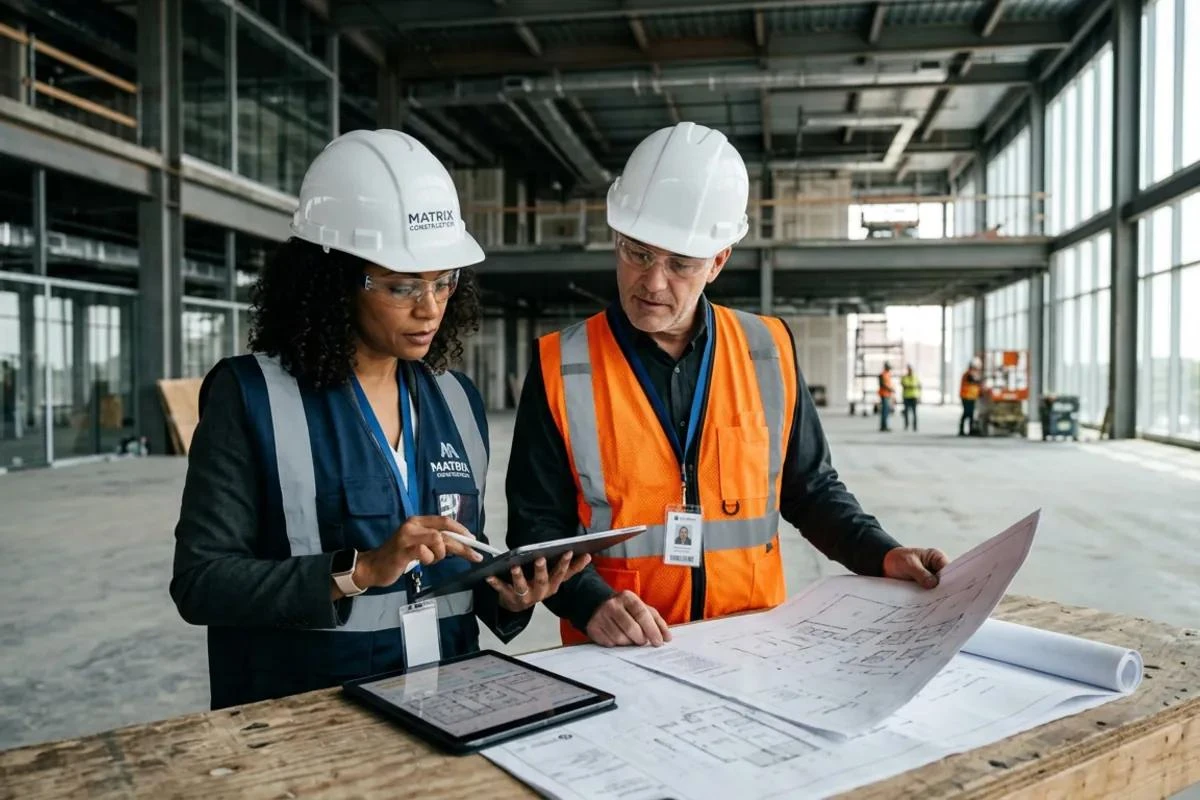
Construction projects rarely fall behind because of one isolated problem. Missed coordination, incomplete documentation, delayed approvals, unclear scopes, and procurement issues can create a chain reaction that affects budgets and schedules.
For developers, property owners, and contractors, effective construction management begins long before crews arrive on site. It requires informed decisions, realistic planning, and consistent coordination throughout the project.
Whether you’re planning a commercial build, multifamily development, tenant improvement, or ground-up construction, understanding these seven decisions can help you prepare for common challenges before they disrupt your project.
1. Define the Scope Before Construction Begins
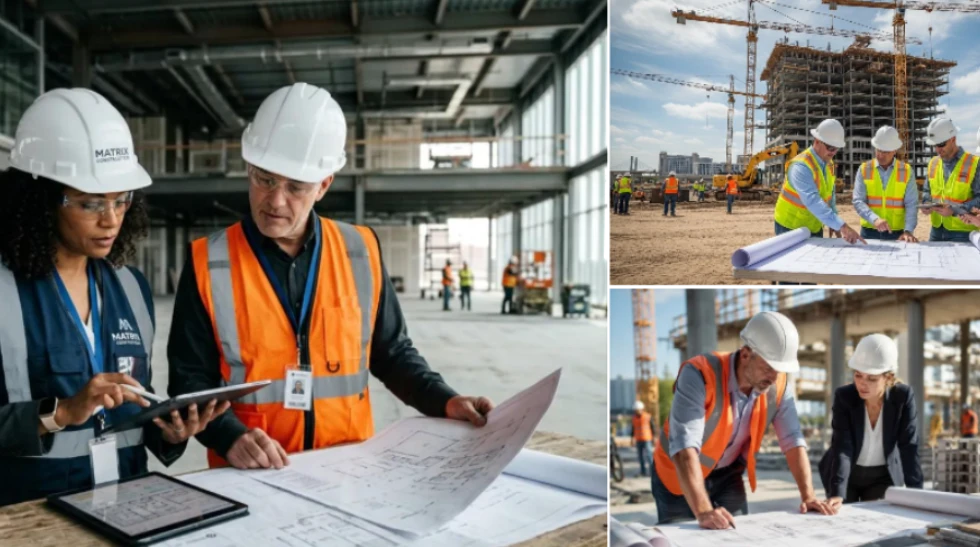
A construction project needs a clearly defined scope before work begins. Vague expectations, incomplete drawings, or unclear responsibilities can lead to misunderstandings, additional costs, and schedule changes.
Before moving forward, confirm:
Project objectives and deliverables
Design plans and specifications
Contractor and subcontractor responsibilities
Material requirements
Owner expectations and approval processes
Exclusions and potential scope changes
Why it matters: A clear scope provides a reference point for estimating, procurement, scheduling, and evaluating changes throughout the project.
2. Build a Realistic Construction Schedule
A construction schedule is more than a list of tasks and target dates. It should reflect the relationship between activities, required resources, approvals, material delivery, and project milestones.
A realistic schedule should account for:
Permit approvals and inspection requirements
Material procurement and lead times
Subcontractor availability
Construction sequencing
Site conditions
Potential delays and schedule contingencies
Schedules should also be reviewed regularly. Comparing planned progress with actual progress helps project teams identify developing problems and adjust before they become major disruptions.
3. Coordinate Permits, Inspections, and Regulatory Requirements
Permitting is often one of the most overlooked sources of uncertainty in construction planning. Requirements can differ between cities, counties, project types, and reviewing departments.
Incomplete applications, unresolved plan check comments, or missed inspection requirements can affect construction progress.
Early coordination should include identifying required permits, reviewing jurisdictional requirements, organizing documentation, and planning inspections around construction milestones.
JDJ Consulting assists developers, contractors, and property owners with permit expediting, trade permit coordination, and inspection scheduling.
Explore our Permit Expediting Services to learn more about navigating the approval process.
4. Monitor Costs Beyond the Initial Budget
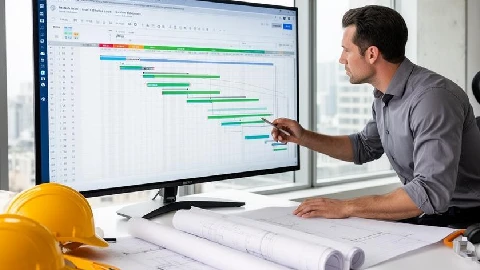
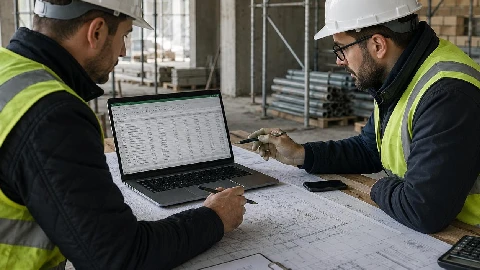
An initial construction budget is a starting point, not a guarantee of the final cost. Owners and project teams need to track commitments, change orders, contingencies, procurement costs, and actual spending.
 |  |  |
A practical cost-control strategy should include:
Cost tracking: Review committed costs, invoices, and projected expenses.
Change order management: Document scope, cost, and schedule impacts before approving changes.
Contingency planning: Set aside appropriate funds for identified risks and unforeseen conditions.
Procurement oversight: Track pricing, purchase orders, and material delivery commitments.
Regular reporting: Keep stakeholders informed of budget performance and projected costs.
Early cost visibility helps owners make informed decisions instead of reacting to unexpected expenses after they occur.
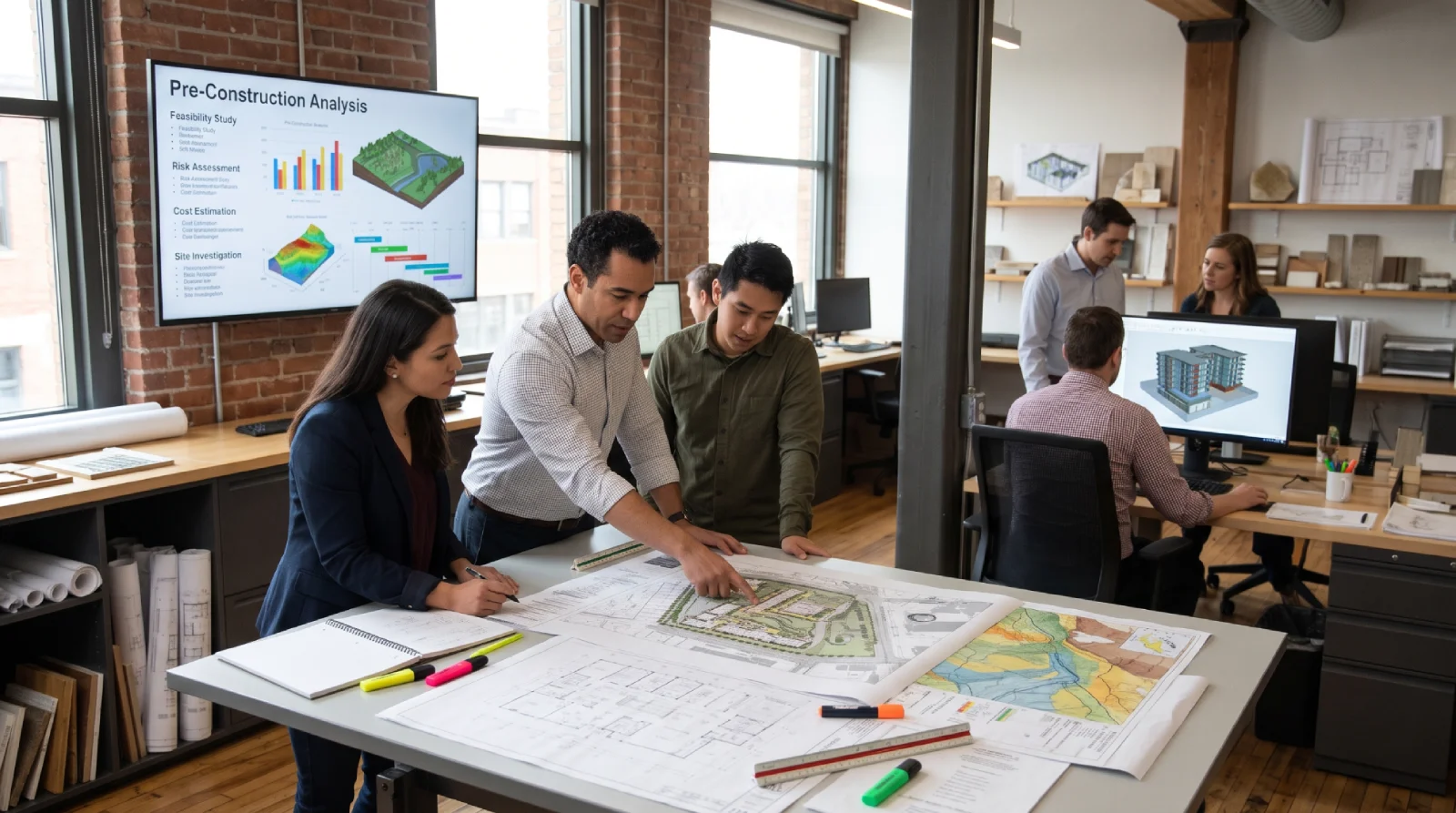
For projects still in the planning stage, a thorough pre-construction analysis can help identify potential challenges before construction commitments are made.
5. Manage Communication Between Project Stakeholders
Construction involves multiple stakeholders, including owners, architects, engineers, general contractors, subcontractors, suppliers, consultants, and municipal agencies.
When information is fragmented, decisions can be delayed and work may proceed using outdated documents or incomplete instructions.
 |  |  |
Effective project communication should establish:
Clear reporting responsibilities
Regular project coordination meetings
Documented decisions and approvals
A consistent process for RFIs
Updated plans and project records
Defined communication channels
A coordinated communication system makes it easier to track responsibilities, resolve issues, and keep the team aligned as project requirements evolve.
6. Identify Risks Before They Become Problems
Construction risks can involve site conditions, design changes, procurement, labor availability, weather, regulatory requirements, or contractor coordination.
Instead of waiting for a problem to occur, project teams should identify risks early and determine how they may affect the project.
| Potential risk | Recommended management approach |
|---|---|
| Delayed materials | Confirm lead times and procurement schedules early |
| Incomplete plans | Coordinate design review and documentation |
| Permit delays | Identify jurisdictional requirements and review timelines |
| Cost escalation | Track pricing, contingencies, and procurement commitments |
| Scheduling conflicts | Review activity sequencing and subcontractor coordination |
| Unforeseen site conditions | Assess risks and establish contingency planning |
Risk management should be ongoing. As the project progresses, teams should reassess assumptions and adjust their plans when new information becomes available.
7. Plan for Closeout Before the Final Phase
Construction closeout should not be treated as an afterthought. Planning for the final phase early can help reduce the likelihood of incomplete documentation, outstanding inspections, and unresolved project items.
Closeout planning may include:
Final inspections
Punch-list completion
Permit closeout requirements
Required documentation
Equipment and system documentation
Warranty information
Final approvals and turnover
The closeout requirements depend on the project, contract, and jurisdiction. Establishing these expectations early can make the final phase more organized.
Why Construction Management Matters
Construction management is about coordinating decisions, people, documentation, resources, and schedules to support a project’s objectives. When these elements are managed proactively, teams are better positioned to recognize issues, respond to changes, and maintain control over project priorities.
For developers and property owners, the greatest advantage is visibility. Knowing what is happening, what needs attention, and what decisions are coming next makes it easier to navigate the complexities of construction.
Final Thoughts
Successful construction projects begin with preparation and continue with consistent oversight. From defining the scope and managing budgets to coordinating permits, contractors, and inspections, each decision contributes to the overall project outcome.
If you’re preparing for a commercial development, multifamily project, tenant improvement, or ground-up construction, taking a structured approach to construction management can help you address potential challenges earlier.
At JDJ Consulting, we help clients navigate development planning, permitting, feasibility, and project-related coordination so they can make more informed decisions throughout the development process.
Planning a Construction Project?
Get ahead of permitting, planning, and development challenges. Connect with JDJ Consulting to discuss your project and explore the next steps.