Table of Contents
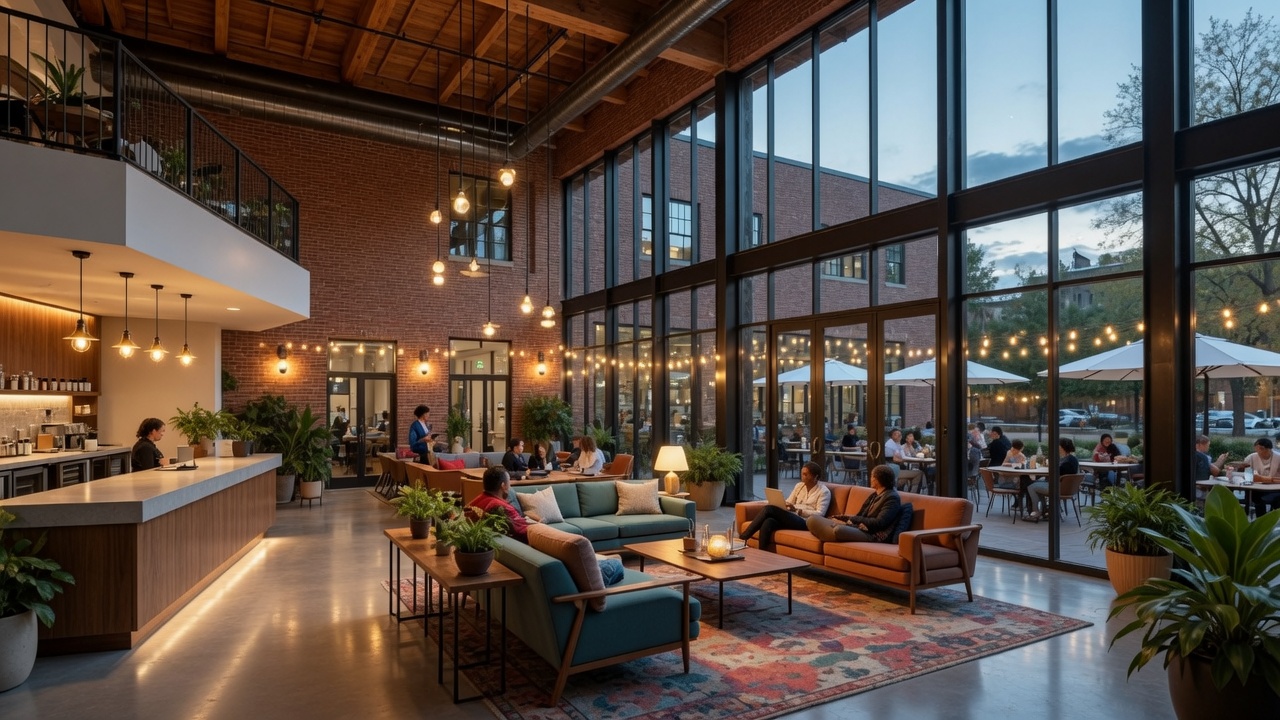
Most Adaptive Reuse Projects in Los Angeles, including eligible Downtown office-to-residential conversions, can apply directly to the Los Angeles Department of Building and Safety (LADBS) for a building permit without going through a discretionary hearing at LA City Planning. This “by-right” path is the intended default under both the Citywide Adaptive Reuse Ordinance and the 9.4.5/9.4.6 framework, the entire point of these ordinances was to remove Zoning Code barriers that used to force adaptive reuse projects through a Conditional Use Permit process. Whether you qualify for this path depends on three things: building age, historic status, and whether the project is a standalone conversion or a Unified project combining new construction.
What “By-Right” Means Here
A by-right project doesn’t need a public hearing, a Zoning Administrator determination, or City Planning Commission sign-off on land use grounds. You still need to meet Building Code, Fire Code, and other technical requirements administered by LADBS, “by-right” refers to the zoning entitlement, not an exemption from construction standards. For most eligible buildings, this means the applicant goes straight to LADBS with construction drawings and a building permit application, without an intervening City Planning case number.
The Two Triggers for Administrative Review
Two categories of projects step out of the pure by-right lane into Administrative Review (ADM) by LA City Planning, even though ADM is not treated as a discretionary approval for CEQA purposes (unless the building is determined to be a historical property):
- Surveyed Historic Resources, buildings assessed as eligible for historic designation through SurveyLA, or listed in HistoricPlacesLA, the city’s historic resources inventory. These applicants are encouraged to schedule a preliminary consultation with the Office of Historic Resources early in the design process.
- Unified Adaptive Reuse Projects with affordable housing, projects combining an existing building with new construction that include an affordable housing component, in exchange for unlimited density in the new-construction portion or up to two additional residential floors above the existing building.
ADM adds a review step and a referral process but is generally faster than a full Conditional Use Permit hearing.
When You Need a Class 1 or Class 3 Conditional Use Permit
A Conditional Use Permit (CUP) is the most involved path, reserved for:
- Buildings at least 5 but less than 15 years old
- Designated Historic Resources or buildings within a Historic Preservation Overlay Zone (HPOZ)
- Projects requesting incentives or exceptions not included in the adaptive reuse ordinance itself
- Unified Adaptive Reuse projects that do not include an affordable housing component
- Adaptive Reuse projects in Manufacturing Zones within a legacy Adaptive Reuse Subarea
Class 1 CUPs follow the procedures in Section 13B.2.1 of the new Zoning Code, decided by a Zoning Administrator. A Class 3 CUP, following Section 13B.2.3, applies specifically when a non-residential building is being converted to a hotel within an Adaptive Reuse Subarea boundary, worth flagging separately since it’s easy to assume all reuse conversions follow the same CUP class.
Step-by-Step Application Process
- Confirm eligibility and approval track using the checklist in our eligibility guide, this determines whether you go straight to LADBS or route through City Planning first.
- Historic and Unified-project screening, resolve SurveyLA/HistoricPlacesLA status and confirm whether the project involves new construction before finalizing design.
- If by-right: prepare construction documents and submit directly to LADBS for plan check.
- If ADM is triggered: submit the Citywide ARO Administrative Review and Referral Form to LA City Planning, along with required documentation; expect referral to other city departments (including the Office of Historic Resources, if applicable) before clearance to proceed to LADBS.
- If a CUP is triggered: file the case with LA City Planning, complete public notice and hearing requirements before a Zoning Administrator, and obtain a determination letter before applying to LADBS.
- LADBS plan check and permit issuance, applies to all tracks once zoning clearance is obtained; includes standard Building Code, Fire Code, and accessibility review.
- Construction and inspections through to Certificate of Occupancy.
Typical Timeline and Fees
Timelines vary widely by track and project complexity, and LADBS/City Planning fee schedules are updated periodically, always confirm current fees through LADBS’s fee estimator and LA City Planning’s published fee schedule before budgeting. As a general pattern:
- By-right projects move fastest, since plan check is the primary gating step rather than a discretionary hearing.
- ADM projects add a referral and review period on top of plan check, typically measured in weeks rather than months if documentation is complete.
- CUP projects add the most time, since public notice periods and hearing scheduling are required before a determination is issued.
FAQ
Do I need City Planning approval before I can apply for a building permit?
Only if your project triggers Administrative Review or a Conditional Use Permit. Most eligible by-right projects go straight to LADBS.
What is Administrative Review and how is it different from a Conditional Use Permit?
ADM is a staff-level review process, not a discretionary hearing, and is not treated as discretionary for CEQA purposes unless the building is historic. A CUP requires a public hearing and a determination from a Zoning Administrator.
Does a historic building automatically disqualify a project from adaptive reuse?
No. It shifts the project into Administrative Review (if merely a Surveyed Historic Resource) or a Class 1 CUP (if formally designated or in an HPOZ), rather than disqualifying it outright.
Related reading: Historic Resources and HPOZ Rules for Adaptive Reuse Conversions → ·
Adaptive Reuse Timeline: From Feasibility Study to Certificate of Occupancy →
Fees, timelines, and procedural requirements change periodically. Confirm current figures with LADBS and LA City Planning before budgeting a project.
Back to Office-to-Residential Conversion in Downtown LA: The Complete Feasibility Guide →