Table of Contents
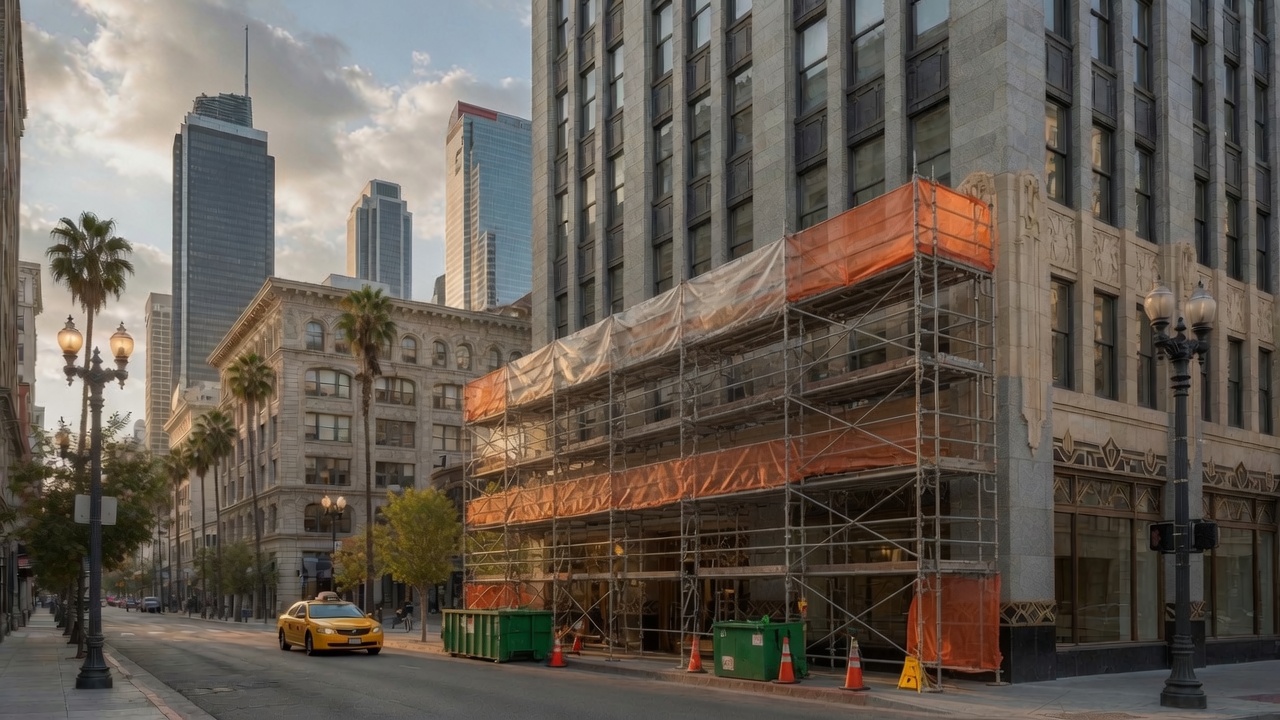
Converting a Downtown Los Angeles office building into housing is legal, faster than ground-up development, and, for the right building, financially achievable. It is also easy to get wrong: misreading which zoning program applies, missing a historic-resource flag, or underestimating floor-plate constraints can turn a promising deal into a stalled or unbuildable one. This guide is the starting point for verifying feasibility before you commit capital.
LAMC Sec. 9.4.5, the Downtown Adaptive Reuse Program, is the zoning mechanism that authorizes streamlined, often by-right, conversion of eligible commercial buildings to residential use within the Downtown Community Plan Area of Los Angeles. It is one of two adaptive reuse programs written into Chapter 1A of the city’s new Zoning Code, its counterpart, 9.4.5’s sibling section 9.4.6, covers everything outside Downtown. A separate, broader measure, the Citywide Adaptive Reuse Ordinance (No. 188,793), effective February 1, 2026, further expanded conversion eligibility citywide. Confusing these three regimes is the most common mistake owners and developers make before they’ve even started due diligence, and it’s the first thing this guide sorts out.
Below, each section summarizes one piece of the feasibility puzzle and links to a full deep-dive. Use the master checklist near the end as your working document, and treat every regulatory figure here as a starting point to confirm directly with LA City Planning and LADBS, adaptive reuse rules in Los Angeles have changed twice in the past two years and will likely change again.
1. What Is the LAMC 9.4.5 Downtown Adaptive Reuse Program?
LAMC Sec. 9.4.5 sits inside Chapter 1A of Los Angeles’s re-written Zoning Code and specifically authorizes Adaptive Reuse Projects within the boundaries of the Downtown Community Plan Area. It grew out of the original 1999 Adaptive Reuse Ordinance, the policy credited with converting more than 12,000 units in and around Downtown and turning the neighborhood from a nine-to-five business district into a residential and commercial hub. Where the 1999 ordinance was narrow, buildings had to predate 1974 and sit within a handful of designated subareas, 9.4.5 modernizes that framework for Downtown specifically, working alongside the newer citywide rules.
In practice, 9.4.5 does three things: it defines who’s eligible to convert without full discretionary review, it sets the design flexibilities owners can use (like reclaiming floor area lost to light wells or courtyards), and it routes projects into one of three approval tracks depending on building age, historic status, and project type.
2. LAMC 9.4.5 vs. 9.4.6 vs. the Citywide ARO, Which Program Applies?
Three separate rules can govern an adaptive reuse project in Los Angeles, and only one applies to a given building. LAMC 9.4.5 governs the Downtown Community Plan Area. LAMC 9.4.6, the Citywide Adaptive Reuse Program, governs eligible projects outside Downtown, in Commercial-Mixed Use districts, or on any lot in Density District 2 or FA. Layered on top of both is the Citywide Adaptive Reuse Ordinance (No. 188,793), adopted by City Council in December 2025 and effective February 1, 2026, which independently expanded eligibility (lower building-age minimums, more eligible zones, new design incentives) across the entire city, including Downtown. A Downtown building may therefore have two potential legal pathways to evaluate side by side.
Full guide: LAMC 9.4.5 vs. 9.4.6: Downtown vs. Citywide Adaptive Reuse Programs Compared →
3. Is Your Building Eligible? (Age, Zone, Building Type)
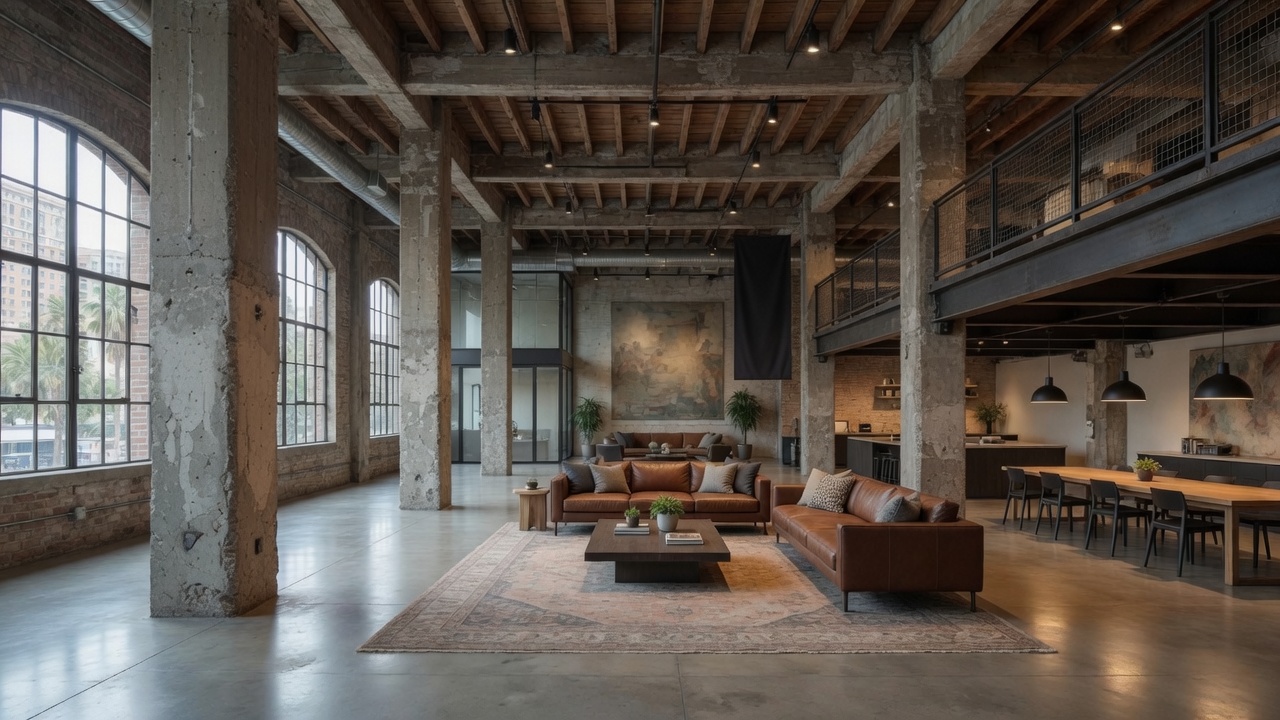
Eligibility under the current citywide framework turns on three questions: how old is the building, what zone is it in, and what was it originally built as. Under the 2025/2026 Citywide Adaptive Reuse Ordinance, buildings at least 15 years old in eligible Multifamily Residential, Commercial, Parking, or Public Facilities zones qualify by right. Buildings between five and fifteen years old can still qualify, but need Zoning Administrator approval through a Conditional Use Permit. Parking structures or parking areas at least five years old are eligible on the same basis. Hotels under a certain unit count and manufacturing-zone buildings within a legacy Adaptive Reuse Subarea have their own rules layered on top.
Full guide: Is My Downtown LA Office Building Eligible for Adaptive Reuse? A 9.4.5 Eligibility Checklist →
4. By-Right Approval vs. Administrative Review vs. Conditional Use Permit
Not every eligible project is approved the same way. Most Adaptive Reuse Projects qualify for by-right approval directly through the Los Angeles Department of Building and Safety (LADBS), no discretionary hearing required. Two situations instead require Administrative Review (ADM) by LA City Planning: projects involving a Surveyed Historic Resource, and Unified Adaptive Reuse Projects that combine an existing building with new construction and provide affordable housing. A smaller set of projects, buildings five to fifteen years old, designated historic resources, HPOZ-located buildings, projects requesting incentives outside the ordinance, non-affordable Unified projects, and Manufacturing-zone buildings in legacy subareas, need a Class 1 Conditional Use Permit from a Zoning Administrator. Hotel conversions within an Adaptive Reuse Subarea need a Class 3 CUP.
Full guide: How to Get a By-Right Adaptive Reuse Permit from LADBS (No CUP Needed) →
5. Structural & Design Feasibility, Can the Floor Plate Convert?
Zoning eligibility only answers half the question. The other half is physical: can the building’s floor plate actually be reorganized into livable apartments? Office towers built with deep floor plates struggle to get natural light to interior units without extensive demolition to add light wells or courtyards, one of the specific design flexibilities 9.4.5 and the broader ARO allow. Midsize, midrise buildings with narrower floor plates, more street-facing frontage, and floor-to-ceiling windows tend to be the strongest conversion candidates. Pre-war construction, with its smaller floor plates and higher ceilings, is often more conversion-friendly than mid-century and later office stock.
Full guide: Adaptive Reuse Structural Feasibility: Can Your Office Building’s Floor Plate Convert? →
6. Historic Resources and HPOZ Considerations
A building’s historic status changes its approval track even if it otherwise qualifies by right. If a building is identified as a Surveyed Historic Resource, assessed as eligible for historic designation through SurveyLA or listed in HistoricPlacesLA, the city’s historic resources inventory, the project needs Administrative Review instead of a straight LADBS permit. Designated Historic Resources and buildings within a Historic Preservation Overlay Zone (HPOZ) need a Class 1 Conditional Use Permit. Given how much of Downtown’s older office stock falls into one of these categories, a historic-resource screening should happen early, before structural or financial feasibility work.
Full guide: Historic Resources and HPOZ Rules for Adaptive Reuse Conversions in Downtown LA →
7. Unified Adaptive Reuse Projects
A Unified Adaptive Reuse Project combines at least one existing building with new construction on the same site. If the project provides affordable housing, it becomes eligible for two significant incentives: unlimited density in the new-construction portion, and the ability to add up to two new residential floors above the existing building being reused. These projects require Administrative Review rather than a by-right LADBS permit, and Unified projects that don’t include affordable housing instead need a Conditional Use Permit.
Full guide: Unified Adaptive Reuse Projects: Adding New Construction and Affordable Housing Density Bonuses →
8. Timeline, From Feasibility Study to Certificate of Occupancy
Timeline depends almost entirely on which approval track a project lands in. A straightforward by-right conversion moves through feasibility screening, design, and LADBS plan check without a discretionary hearing, which is materially faster than a project requiring Administrative Review or a Conditional Use Permit, both of which add public notice, referral, and hearing time before construction can begin. Utility upgrades, historic review, and structural retrofit scope are the most common sources of delay once permitting is underway.
Full guide: Adaptive Reuse Timeline: From Feasibility Study to Certificate of Occupancy in DTLA →
9. Financial Feasibility, What Does a Conversion Actually Cost?
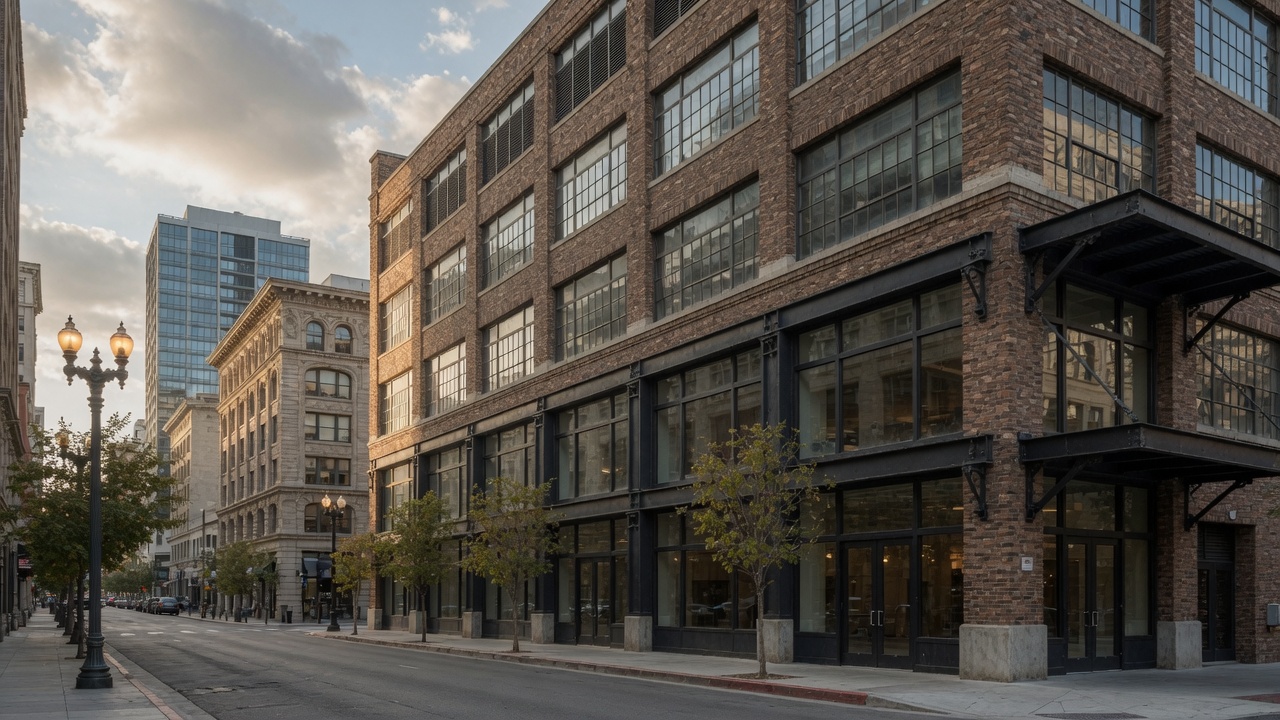
Conversions compete against both new construction and existing multifamily acquisition costs, and the math is not automatically favorable. Industry-wide, analysts have flagged that office acquisition prices often need to fall substantially before a conversion pencils, since renovation costs, structural retrofits, and new plumbing risers can rival ground-up construction costs on a per-unit basis. The incentives built into the ARO and 9.4.5, unlimited density for affordable Unified projects, elimination of minimum unit size, a rooftop story exempt from height and floor-area limits, exist specifically to close that gap. Financial feasibility should be modeled building-by-building; there is no single number that applies citywide.
Full guide: Adaptive Reuse Financial Feasibility: Cost per Unit and Underwriting a DTLA Office Conversion →
FAQ
Does every office-to-residential conversion in Downtown LA need a Conditional Use Permit?
No. Most eligible Adaptive Reuse Projects can proceed by right through LADBS without a CUP. A CUP is only required for buildings five to fifteen years old, designated or HPOZ historic buildings, projects requesting incentives outside the ordinance, non-affordable Unified projects, and certain hotel conversions.
What’s the minimum building age for adaptive reuse in Los Angeles?
Under the current Citywide Adaptive Reuse Ordinance, buildings at least 15 years old qualify by right in eligible zones. Buildings five to fifteen years old can still qualify with Zoning Administrator approval.
Is 9.4.5 the same as the Citywide Adaptive Reuse Ordinance?
No. LAMC 9.4.5 is the Downtown-specific program under Chapter 1A of the new Zoning Code. The Citywide Adaptive Reuse Ordinance (No. 188,793) is a separate, broader measure effective February 1, 2026 that expanded eligibility citywide, including in Downtown.
Can a historic office building still convert under 9.4.5?
Often, yes, but it moves into Administrative Review or a Conditional Use Permit track instead of a straight LADBS by-right permit, and may involve additional design review.